Matter of Controversies – Facts about The Oculus NYC -Transportation Hub
The Oculus, a spectacular architectural marvel, has become a focal point for both admiration and controversy in the world of architecture. This article delves into the intricate details of the Oculus, exploring its design, its impact on the architectural landscape, and the controversies that have surrounded it. From its inception to the present day, the Oculus has sparked discussions among students of architecture and seasoned architects alike, making it a subject of great interest and debate.
The Genesis of Oculus: A Visionary Design
The Oculus, located in the heart of New York City, is a transportation hub designed by renowned architect Santiago Calatrava. Completed in 2016, this structure serves as the centerpiece of the World Trade Center Transportation Hub, replacing the original station destroyed during the 9/11 attacks.
Architectural Brilliance: A Closer Look at the Design
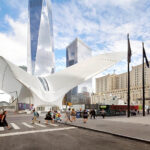
Calatrava’s design for the Oculus is nothing short of breathtaking. The structure resembles a dove released from a child’s hands, symbolizing a message of hope and rebirth. The rib-like structure opens and closes, allowing natural light to filter through, creating an ethereal atmosphere within the hub.
Integration of Functionality and Aesthetics
One of the key aspects that distinguish the Oculus is its seamless integration of functionality and aesthetics. The structure serves as a major transportation hub, connecting various subway lines and providing a direct link to the PATH train system. Simultaneously, it stands as a symbol of resilience and architectural innovation.
Controversies Surrounding Oculus: A Critical Examination
While the Oculus is celebrated for its architectural brilliance, it has not been immune to controversies that have stirred conversations within the architectural community.
Cost Overruns and Budgetary Concerns
One of the primary controversies revolves around the staggering cost of constructing the Oculus. Originally estimated at $2 billion, the final cost exceeded $4 billion, raising eyebrows and prompting debates about the allocation of resources in large-scale architectural projects.
Structural Challenges and Delays
The construction of the Oculus faced numerous delays and structural challenges, contributing to the escalating costs. Critics argue that the ambitious design may have compromised practicality, leading to difficulties in the execution phase.
Functionality vs. Aesthetics Debate
A recurring debate within the architectural realm centers on the balance between functionality and aesthetics. While the Oculus is undoubtedly a visual masterpiece, some argue that its extravagant design may have compromised its efficiency as a transportation hub.
Oculus in New York: A Case Study
To comprehend the controversies surrounding the Oculus better, it’s crucial to examine the New York context and the impact this architectural wonder has had on the city’s landscape.
Cityscape Transformation
The Oculus has become an integral part of the New York City skyline, altering the visual narrative of the downtown area. Its unique design has not only attracted architectural enthusiasts but has also sparked conversations about the city’s commitment to architectural innovation.
Public Perception and Engagement
The public’s response to the Oculus has been diverse. While some admire its symbolic significance and aesthetic appeal, others question whether the immense cost could have been better utilized for practical urban development projects.
Architectural Education and Inspiration
For students of architecture, the Oculus stands as a living example of pushing the boundaries of design. Its controversies provide valuable lessons about the intersection of artistry, functionality, and public reception. Analyzing the Oculus case offers students an opportunity to explore the complexities and challenges involved in bringing visionary architectural concepts to fruition.
Educational Implications: Learning from Oculus Controversies
The controversies surrounding the Oculus offer a rich educational landscape for aspiring architects and students of architecture. These challenges provide valuable insights into the intricacies of managing large-scale projects, the importance of balancing artistic vision with practical considerations, and the role of public perception in shaping architectural endeavors.
Lesson 1: Balancing Budget and Innovation
The Oculus serves as a cautionary tale about the delicate balance between budget constraints and architectural innovation. Aspiring architects must learn to navigate the complexities of financial planning while striving for visionary designs.
Lesson 2: Managing Public Expectations
The public’s perception of architectural projects plays a pivotal role in their success. Understanding and managing public expectations is a skill architects must hone to ensure that their creations resonate positively with the community.
Lesson 3: Integrating Form and Function
The Oculus debate highlights the ongoing challenge of harmonizing form and function in architectural design. Students can draw inspiration from the Oculus to explore ways of seamlessly integrating aesthetics with practicality.
Moving Forward: Calls to Action
In conclusion, the controversies surrounding the Oculus present a unique opportunity for reflection, learning, and growth within the architectural and educational realms. Aspiring architects are encouraged to:
-
Embrace Innovation with Caution
While pushing the boundaries of design is commendable, architects must exercise prudence to ensure that innovation aligns with practicality and budgetary constraints.
-
Prioritize Community Engagement
Architects should prioritize engaging with the community and understanding public expectations to create designs that resonate positively with the broader audience.
-
Foster a Culture of Continuous Learning
The Oculus serves as a reminder that the architectural journey is one of continuous learning. Architects and students alike should approach challenges as opportunities for growth and improvement.
By dissecting the controversies surrounding the Oculus, the architectural community can evolve, ensuring that future projects strike a harmonious balance between innovation, functionality, and public acceptance. The Oculus remains an emblematic structure, inviting architects and students to explore the intricate interplay of art and engineering in the dynamic world of architecture.