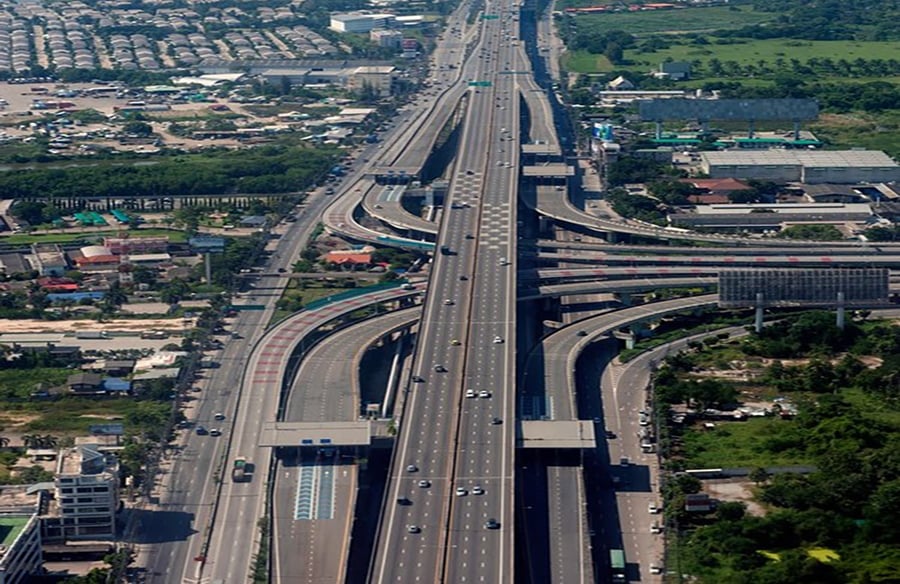
Bang Na Expressway and Burapha Withi Expressway, Thailand – Longest Flyovers around the world as of 2022
The Bang Na Expressway and Burapha Withi Expressway in Thailand stand as iconic marvels in the realm of transportation architecture. Designed and executed with precision, these expressways epitomize the fusion of innovative urban planning and advanced engineering. This article delves into the intricacies of their design, the foresight in planning, and their impact on urban landscapes.
Historical Context
Bang Na Expressway
The Bang Na Expressway, inaugurated in 2000, holds the distinction of being one of the longest elevated highways globally, stretching over 54 kilometers. Initially conceived to alleviate traffic congestion in Bangkok, it has become a critical lifeline for commuters and freight transport alike.
Burapha Withi Expressway
The Burapha Withi Expressway, on the other hand, emerged as a response to the ever-growing demands of modern transportation. Opened in 2007, it seamlessly connects the northern and eastern parts of Bangkok, transforming the city’s connectivity and accessibility.
Design and Planning
Innovative Structural Design
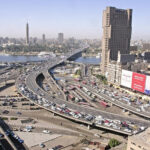
Both expressways showcase a remarkable display of innovative structural design. The elevated sections of the Bang Na and Burapha Withi expressways are a testament to modern engineering excellence. The intricate lattice of pillars and beams not only ensures stability but also adds an aesthetic dimension to the urban landscape.
Integration of Technology
The integration of cutting-edge technology in the design phase underscores the commitment to creating a transportation network for the future. Smart traffic management systems, automated toll collection, and real-time monitoring contribute to the efficiency and safety of these expressways.
Sustainable Elements
In an era where sustainability is paramount, the Bang Na and Burapha Withi expressways have incorporated eco-friendly features. The use of energy-efficient lighting, green spaces along the routes, and eco-sensitive construction materials showcase a commitment to minimizing the ecological footprint.
Urban Impact
Transforming the Urban Landscape
The impact of these expressways on the urban landscape is profound. By streamlining traffic flow, the Bang Na and Burapha Withi expressways have played a pivotal role in reducing commuting times and fuel consumption. This, in turn, has spurred economic development in the surrounding areas.
Architectural Aesthetics
Beyond their functional role, these expressways contribute to the aesthetic appeal of Bangkok. The soaring flyovers and meticulous urban planning create a distinctive skyline, showcasing the symbiosis between functionality and beauty in architectural design.
Calls to Action
Community Engagement
To further enhance the sustainability and inclusivity of these expressways, community engagement is essential. Public forums, town hall meetings, and collaboration with local stakeholders can provide valuable insights into optimizing the use of these transportation arteries.
Advocacy for Green Initiatives
Encouraging green initiatives such as carpooling, cycling lanes, and promoting public transportation can amplify the positive impact of the expressways. Architects, urban planners, and the community at large should advocate for and embrace eco-friendly practices.
Continuous Innovation
The ever-evolving nature of urban landscapes necessitates continuous innovation. Architectural and transportation design professionals should engage in ongoing research and development to address emerging challenges and opportunities, ensuring the sustained efficiency and relevance of these expressways.
Conclusion
In the realm of transportation architecture, the Bang Na Expressway and Burapha Withi Expressway stand as shining examples of meticulous design, visionary planning, and positive urban impact. As Thailand’s urban landscape continues to evolve, these expressways serve as beacons guiding the way towards a future where functionality and aesthetics coexist seamlessly. It is imperative for architects, planners, and the community to collaboratively work towards enhancing and preserving these architectural gems for generations to come.