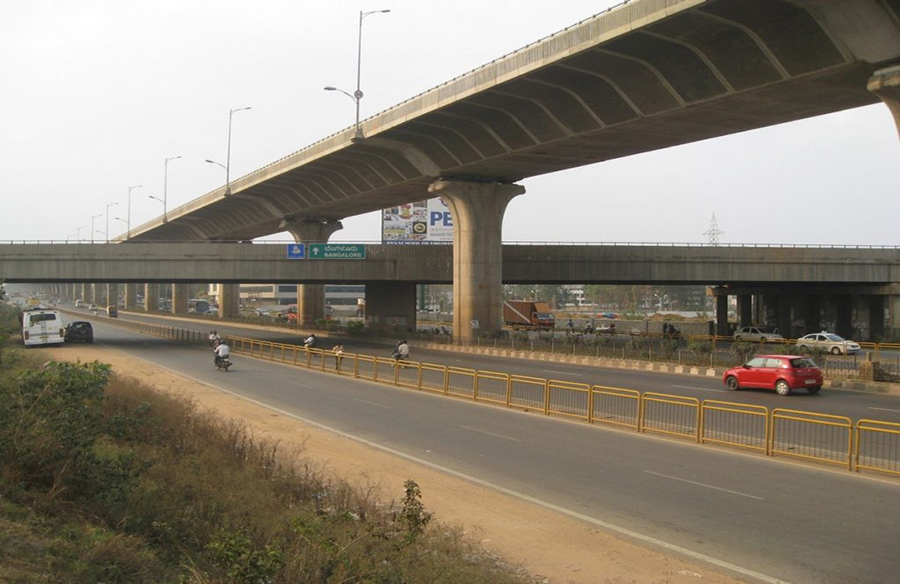
Hosur Road Elevated Expressway, India – Longest Flyovers around the world as of 2022
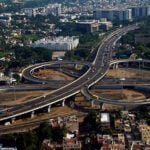
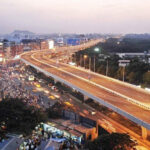
The Hosur Road Elevated Expressway, situated in the bustling city of Bangalore, India, stands as a testament to the prowess of modern architecture, transportation design, and urban planning. Stretching across the cityscape, this flyover has not only alleviated traffic congestion but has also redefined the urban mobility experience for millions of residents. In this comprehensive exploration, we delve into the intricate details of the design and planning that went into crafting this architectural marvel.
Origins and Necessity: A Solution to Traffic Woes
The genesis of the Hosur Road Elevated Expressway can be traced back to the escalating traffic challenges faced by Bangalore, a rapidly growing metropolis. With the city becoming a hub for IT industries and witnessing a surge in population, conventional roadways struggled to cope with the increasing vehicular density. The need for an innovative and efficient transportation solution led to the conception of this elevated expressway.
Design Philosophy: Blending Aesthetics with Functionality
The architects and designers behind the Hosur Road Elevated Expressway adopted a holistic approach, considering both form and function in their design philosophy. The expressway seamlessly integrates with the urban landscape, featuring sleek lines and modern aesthetics that complement the surrounding architecture.
The elevated structure incorporates thoughtful urban design elements, ensuring minimal disruption to the existing infrastructure. The use of high-quality materials not only enhances the expressway’s visual appeal but also ensures durability and longevity.
Structural Ingenuity: Engineering Excellence in Action
The Structural Marvel: Engineering Ingenuity Unveiled
The Hosur Road Elevated Expressway’s structural design is a triumph of engineering innovation. The elevated sections, supported by strategically placed pillars, minimize the impact on ground-level traffic. The architects employed advanced modeling and simulation techniques to optimize load distribution and ensure the structural integrity of the entire system.
The expressway’s elevated segments boast a carefully crafted curvature, enhancing both aesthetics and functionality. This meticulous engineering prevents abrupt changes in elevation, providing a smoother driving experience while maintaining the structural stability of the entire network.
Traffic Management: Ensuring Seamless Flow
Efficient Traffic Management: A Priority in Planning
One of the primary objectives in the planning phase was to enhance traffic flow and reduce congestion. The designers meticulously analyzed traffic patterns, peak hours, and anticipated future growth to implement a comprehensive traffic management system.
Ramp configurations, lane distribution, and exit placement were optimized to facilitate smooth transitions and minimize bottlenecks. Intelligent traffic signaling and surveillance systems further contribute to the efficient operation of the expressway.
Urban Integration: Enhancing the Cityscape
Harmony in Urban Integration: Enhancing the Cityscape
Beyond its utilitarian purpose, the Hosur Road Elevated Expressway significantly contributes to the enhancement of the cityscape. Landscaping and greenery adorn the areas surrounding the pillars, creating aesthetically pleasing vistas. Public spaces beneath the elevated sections are transformed into recreational zones, fostering community engagement and social interactions.
The design team prioritized the integration of pedestrian-friendly features, such as walkways and dedicated cycling lanes. This ensures that the expressway not only serves vehicular traffic but also accommodates alternative modes of transportation, promoting a sustainable and inclusive urban environment.
Technological Advancements: Smart Infrastructure for a Smart City
Smart Infrastructure: Pioneering Technological Advancements
The Hosur Road Elevated Expressway is more than just a physical structure; it is a manifestation of smart infrastructure. Intelligent traffic monitoring systems, real-time data analytics, and adaptive control mechanisms contribute to the expressway’s efficiency.
Moreover, the incorporation of smart lighting and energy-efficient technologies reflects a commitment to sustainability. The expressway serves as a model for future urban development, emphasizing the role of technology in creating resilient and eco-friendly transportation networks.
Future Prospects: Scaling New Heights in Urban Mobility
Scaling New Heights: Future Prospects for Urban Mobility
As Bangalore continues to evolve, the Hosur Road Elevated Expressway stands as a symbol of adaptability and forward-thinking urban planning. The success of this project paves the way for future endeavors aimed at addressing the dynamic challenges posed by urbanization.
To ensure the sustained success of such initiatives, stakeholders and residents must actively engage in ongoing urban planning discussions. Public participation and feedback play a crucial role in shaping the future of urban mobility, fostering a sense of ownership and collective responsibility.
Conclusion: A Skyward Journey into Urban Transformation
In conclusion, the Hosur Road Elevated Expressway emerges as a paradigm of successful architecture, transportation design, and urban planning. Its harmonious blend of aesthetics, functionality, and technological innovation sets a high standard for future projects. As cities worldwide grapple with urbanization challenges, the lessons learned from the Hosur Road Elevated Expressway serve as a beacon, guiding the way toward sustainable, efficient, and aesthetically pleasing urban landscapes.
For those passionate about the evolution of urban spaces and the impact of innovative design on daily life, the Hosur Road Elevated Expressway stands as a living testament to the transformative power of visionary architecture and planning. Let us continue to celebrate and learn from such endeavors, fostering a future where our cities not only cope with growth but thrive in harmony with their inhabitants.