PVNR Elevated Expressway, India – Longest Flyovers around the world as of 2022
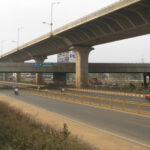
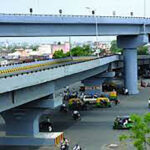
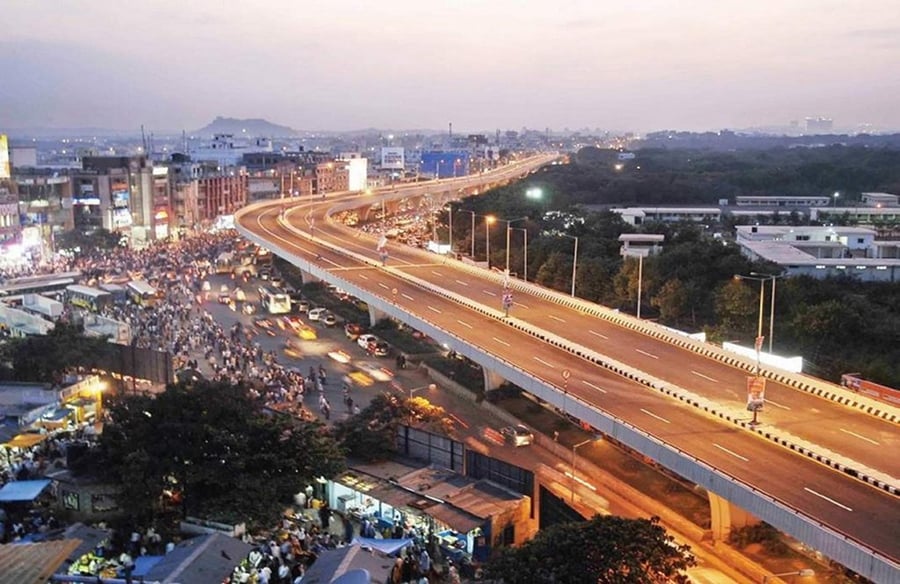
The PVNR Elevated Expressway, situated in India, stands as a testament to the seamless integration of architecture, transportation design, and urban planning. Named after the former Prime Minister of India, P. V. Narasimha Rao, this elevated expressway has not only transformed the skyline but has also significantly improved the city’s connectivity and traffic management.
Historical Context
To truly understand the impact and significance of the PVNR Elevated Expressway, one must delve into the historical context that led to its inception. In the late 20th century, the rapid urbanization and population growth in the region led to escalating traffic congestion and logistical challenges. Recognizing the pressing need for a solution, urban planners and architects collaborated to conceptualize a project that would not only alleviate traffic woes but also contribute to the aesthetic appeal of the city.
Urban Design and Planning
Integration with Surroundings
The PVNR Elevated Expressway seamlessly integrates with its surroundings, a result of meticulous urban design and planning. The architects focused on harmonizing the elevated structure with the existing cityscape, ensuring that it complements rather than disrupts the visual aesthetics of the area. This thoughtful integration has earned the expressway praise for its ability to enhance the overall urban experience.
Traffic Flow Optimization
One of the primary objectives of the PVNR Elevated Expressway was to optimize traffic flow. The design incorporates strategically placed entry and exit ramps, facilitating smooth transitions between the expressway and surface roads. The careful planning of these access points minimizes bottlenecks and ensures a continuous flow of traffic, addressing the core issue that led to the project’s initiation.
Sustainable Design Elements
In an era where sustainability is paramount, the PVNR Elevated Expressway incorporates various eco-friendly features. From energy-efficient lighting to rainwater harvesting systems, every aspect of the design reflects a commitment to minimizing environmental impact. The integration of green spaces along the expressway further enhances its ecological footprint, contributing to the city’s overall environmental sustainability.
Architectural Marvels
Structural Design
The PVNR Elevated Expressway stands tall as an architectural marvel, thanks to its innovative structural design. Engineers employed state-of-the-art materials and construction techniques to ensure the expressway’s stability and longevity. The intricate balance of form and function is evident in the aesthetically pleasing yet structurally sound pillars that support the elevated roadway.
Aesthetic Enhancements
Beyond its functional aspects, the expressway incorporates aesthetic enhancements that elevate its visual appeal. Artistic elements, such as sculptures and murals, adorn select sections of the expressway, providing a unique blend of functionality and artistry. This integration of aesthetics into a transportation infrastructure project sets a precedent for future developments that prioritize both utility and visual allure.
Lighting and Nightscapes
The PVNR Elevated Expressway transforms into a breathtaking spectacle after sunset, courtesy of carefully planned lighting and nightscapes. The interplay of lights accentuates the architectural features, creating a visual symphony that captivates both commuters and onlookers. This attention to detail not only enhances safety during nighttime travel but also contributes to the expressway’s identity as a landmark.
Future Implications
As urban centers continue to grapple with burgeoning populations and increasing vehicular traffic, the success of projects like the PVNR Elevated Expressway becomes a beacon of hope. The lessons learned from this endeavor can inform future urban planning initiatives, emphasizing the importance of holistic design and sustainable practices.
Conclusion
In conclusion, the PVNR Elevated Expressway in India stands as a shining example of successful collaboration between architecture, transportation design, and urban planning. From its inception to its present-day operation, every aspect of the expressway reflects a commitment to functionality, aesthetics, and sustainability. As cities worldwide seek solutions to their transportation challenges, the PVNR Elevated Expressway serves as a source of inspiration and a testament to what can be achieved through visionary design and meticulous planning.
Calls to Action
- Explore the Expressway: Visit the PVNR Elevated Expressway to witness firsthand the seamless integration of architecture and transportation design.
- Engage in Urban Planning Dialogues: Join local urban planning discussions to contribute ideas and insights that can shape the future of your city.
- Advocate for Sustainable Infrastructure: Support and advocate for the implementation of sustainable design elements in transportation projects to create more eco-friendly urban environments.