Urban Campus – Educational Architecture – Architecture dissertation topics
In the realm of architectural innovation, the concept of an Urban Campus stands as a testament to the evolution of educational spaces. This article delves into the intricacies of Urban Campus design, offering a wealth of information for students of architecture seeking valuable insights for their dissertations.
Defining Urban Campus Architecture
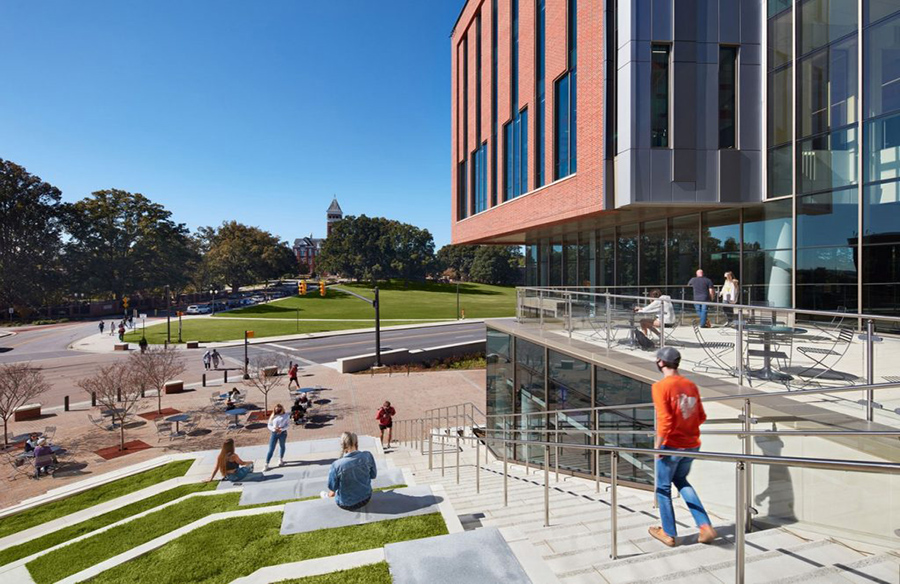
An Urban Campus represents a dynamic synthesis of educational facilities within an urban setting. Unlike traditional campuses isolated in suburban areas, Urban Campuses integrate seamlessly into the urban fabric, fostering a unique environment that promotes learning, collaboration, and community engagement.
Characteristics of Urban Campus Architecture
- Intelligent Space Utilization: Urban Campuses prioritize efficient land use, often employing vertical structures and innovative layouts to maximize space within the constraints of urban landscapes.
- Integration with Surrounding Environment: Successful Urban Campuses seamlessly blend with the cityscape, becoming an integral part of the urban ecosystem. Architectural elements are designed to complement rather than overshadow neighboring structures.
- Multifunctional Facilities: The architecture of an Urban Campus embraces versatility, incorporating multifunctional spaces that cater to diverse educational needs. From lecture halls to collaborative workspaces, each element is purposefully designed.
Historical Perspective
To understand the evolution of Urban Campus architecture, one must delve into its historical roots. The concept gained prominence in the late 20th century as educational institutions sought to escape the insularity of traditional campuses and engage more directly with urban communities.
Notable Urban Campus Projects
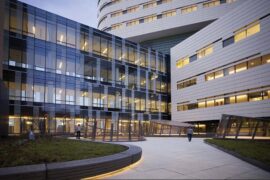
- Columbia University’s Manhattanville Campus: This ambitious project in New York City exemplifies how an Urban Campus can redefine a neighborhood. The campus, designed by renowned architects, seamlessly integrates academic buildings, public spaces, and amenities into the urban landscape.
- Singapore Management University (SMU): Situated in the heart of Singapore, SMU’s Urban Campus is a model of sustainable and interactive architecture. It reflects a commitment to community engagement and urban connectivity.
Urban Campus Typology for Dissertations
For students embarking on a dissertation journey focused on Urban Campus architecture, understanding the typology is crucial. The following H2 sections elaborate on various facets, providing a comprehensive guide.
-
Architectural Elements and Design Principles
Urban Campuses demand a nuanced approach to design. Considerations such as scale, proportion, and integration with the surrounding environment play pivotal roles. Students exploring this typology should analyze case studies, examining how architects balance the need for functionality with aesthetic appeal.
-
Sustainability and Green Design
In the contemporary architectural landscape, sustainability is paramount. Urban Campuses often serve as testing grounds for eco-friendly design principles. From green roofs to energy-efficient systems, students can delve into the ways these campuses contribute to environmental conservation.
-
Technological Integration in Educational Spaces
The advent of technology has transformed the educational landscape. Urban Campuses are at the forefront of integrating advanced technologies into their architecture. Smart classrooms, interactive learning spaces, and virtual collaboration hubs redefine the traditional educational experience.
-
Community Engagement and Inclusivity
Unlike traditional campuses, Urban Campuses have a unique relationship with their surrounding communities. Dissertations can explore how architecture facilitates community engagement, whether through public events, shared spaces, or cultural integration.
Calls to Action
Having explored the intricate details of Urban Campus architecture, it’s essential to channel this knowledge into action. Students and professionals alike can take the following steps:
- Engage in Site Visits: Visit existing Urban Campuses to observe firsthand how design principles translate into real-world spaces.
- Collaborate with Urban Planners: To truly understand the interplay between architecture and urban planning, collaborate with professionals in both fields.
- Contribute to the Discourse: Share findings, insights, and innovative ideas through conferences, publications, or online platforms dedicated to architecture and urban design.
Conclusion
In conclusion, Urban Campus architecture stands as a fascinating intersection of education, design, and urban planning. This article has provided a detailed exploration, serving as a valuable resource for students of architecture seeking to unravel the complexities of this evolving typology. As the urban landscape continues to evolve, so too will the architecture that shapes the educational experience within it.