Dai Liet Sy Roundabout, Vietnam – Biggest roundabouts in the world
Nestled in the heart of Vietnam, the Dai Liet Sy Roundabout stands as a testament to the seamless integration of architecture, urban design, and history. This iconic landmark is not merely a traffic hub; it is a reflection of the cultural and historical tapestry of Vietnam. This article delves into the intricate details of the Dai Liet Sy Roundabout, exploring its architectural marvel, urban planning significance, and historical roots.
Architectural Brilliance
Aesthetic Elements
The Dai Liet Sy Roundabout boasts a unique architectural design that captures the essence of Vietnamese culture. The use of vibrant colors, intricate patterns, and symbolic motifs on the structures surrounding the roundabout creates an aesthetic appeal that resonates with both locals and visitors.
Circular Form and Symbolism
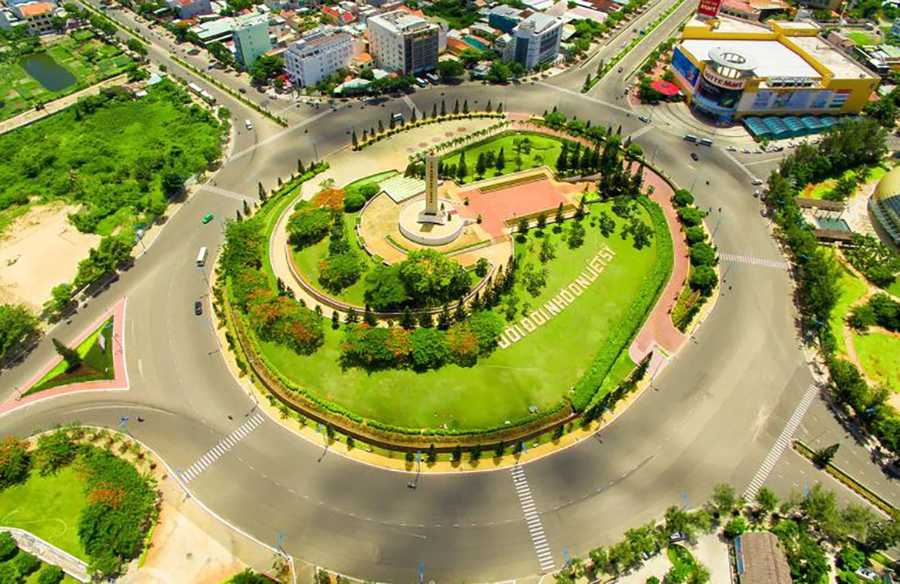
The roundabout itself is a marvel of engineering, with its circular form symbolizing unity and continuity. The architectural layout fosters a sense of connectivity, emphasizing the importance of cohesion in urban planning.
Sustainable Design
Incorporating sustainable design principles, the Dai Liet Sy Roundabout integrates green spaces and eco-friendly features. Lush vegetation and carefully planned landscaping not only enhance the visual appeal but also contribute to environmental sustainability.
Urban Planning at Its Pinnacle
Traffic Flow Optimization
One of the primary functions of the Dai Liet Sy Roundabout is to facilitate smooth traffic flow. The well-thought-out design considers the convergence of multiple roads, ensuring efficient movement of vehicles and minimizing congestion.
Pedestrian-Friendly Spaces
Beyond vehicular traffic, the roundabout prioritizes pedestrian safety and convenience. Dedicated walkways, pedestrian crossings, and well-placed amenities contribute to a harmonious coexistence of different modes of transportation.
Mixed-Use Development
Surrounding the roundabout, a mix of commercial and residential spaces adds vibrancy to the area. The integration of diverse functionalities within proximity fosters a sense of community and contributes to the overall livability of the surrounding urban landscape.
Transportation Hub
Connectivity
The Dai Liet Sy Roundabout serves as a central transportation hub, connecting various parts of the city. Its strategic location facilitates easy access to key landmarks, public facilities, and residential areas.
Public Transit Integration
In line with modern urban planning principles, the roundabout seamlessly integrates with public transit systems. Bus stops and transit stations in the vicinity ensure that the area remains accessible to a wide demographic.
Future-Forward Design
Anticipating the future needs of a growing city, the Dai Liet Sy Roundabout incorporates forward-thinking transportation design. This includes provisions for future expansions, smart traffic management systems, and sustainable mobility solutions.
Unraveling the Historical Threads
Dai Liet Sy: A Historical Figure
The roundabout derives its name from Dai Liet Sy, a historical figure whose contributions are deeply embedded in Vietnamese history. Understanding the historical context adds layers of significance to the architectural and urban planning aspects of this landmark.
Commemorative Elements
Embedded in the architecture are elements that pay homage to Dai Liet Sy’s legacy. Sculptures, plaques, and artistic representations narrate the story of this revered figure, turning the roundabout into a historical monument in its own right.
Preservation of Heritage
The Dai Liet Sy Roundabout serves as a guardian of cultural heritage, preserving the memory of Dai Liet Sy for generations to come. The integration of history into urban spaces fosters a sense of identity and continuity in the ever-evolving cityscape.
Calls to Action
Explore and Appreciate
For visitors and locals alike, a visit to the Dai Liet Sy Roundabout is an opportunity to explore and appreciate the fusion of architectural brilliance, urban planning excellence, and historical significance. Take the time to walk around, absorb the details, and understand the layers of meaning embedded in every structure.
Participate in Community Initiatives
Get involved in community initiatives that aim to maintain and enhance the beauty of the Dai Liet Sy Roundabout. Whether it’s participating in clean-up drives, supporting public art projects, or engaging in discussions about future developments, active participation contributes to the preservation of this cultural gem.
Stay Informed on Urban Development
As the city continues to evolve, staying informed about urban development plans and initiatives ensures that residents are active contributors to the growth and sustainability of their surroundings. Attend community meetings, follow local news, and engage in conversations about the future of urban spaces.
Conclusion
The Dai Liet Sy Roundabout in Vietnam stands as a living testament to the harmonious integration of architecture, urban planning, and history. From its intricate design elements to its role as a transportation hub and historical monument, every facet of this landmark contributes to the rich tapestry of Vietnam’s cultural heritage. As we navigate the dynamic landscape of urban development, the Dai Liet Sy Roundabout serves as a guiding beacon, reminding us of the importance of unity, sustainability, and a deep connection to our roots.