The Magic Roundabout, Swindon – Biggest roundabouts in the world
The Magic Roundabout in Swindon stands as a testament to the intricate intersection of architecture, urban planning, and transport engineering. This iconic traffic system, officially known as the County Islands, is not just a roundabout; it is a marvel of innovation that has captured the attention of locals and visitors alike. This article delves into the architectural brilliance, urban design principles, and historical significance of The Magic Roundabout, offering readers a comprehensive understanding of this unique traffic solution.
Architectural Ingenuity
Circular Configuration
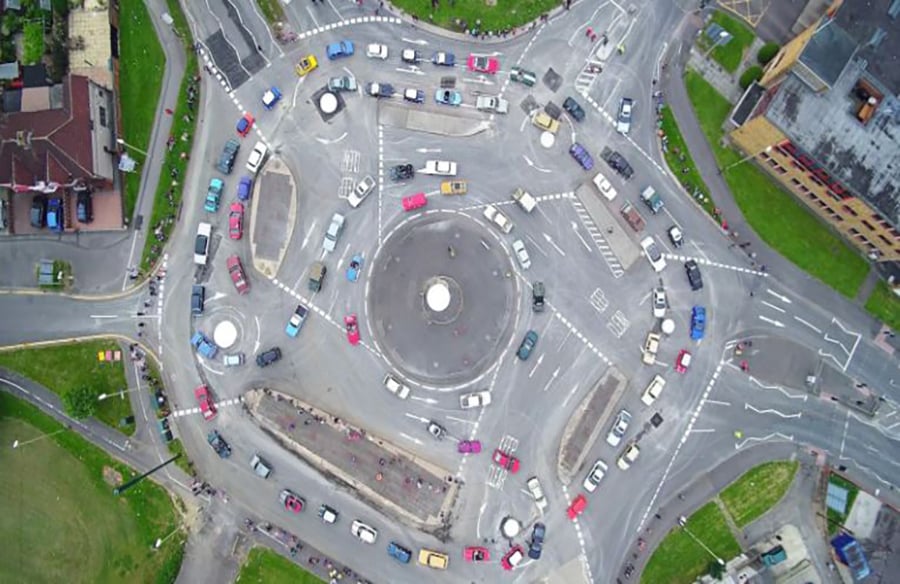
The Magic Roundabout is not a typical roundabout; it is a collection of five smaller roundabouts arranged in a circle. This innovative design was implemented in 1972 to manage traffic flow efficiently. Each smaller roundabout operates independently, allowing vehicles to navigate through the complex intersection with minimal congestion.
Sculptural Elements
The architectural flair of The Magic Roundabout extends beyond its functional layout. Sculptural elements adorn the roundabout, adding aesthetic value to the urban landscape. These elements, including unique street furniture and landscaping, contribute to the overall visual appeal of the intersection.
Urban Design and Planning
Integration with Surrounding Infrastructure
The Magic Roundabout seamlessly integrates with the surrounding urban environment. The placement of pedestrian walkways, cycling lanes, and green spaces reflects a holistic approach to urban planning. The designers took into account the needs of various road users, ensuring a balanced and accessible transportation hub.
Traffic Management
Urban planning played a pivotal role in the conception of The Magic Roundabout. By decentralizing traffic flow into five smaller roundabouts, planners aimed to reduce congestion and enhance overall traffic management. This innovative approach has inspired similar designs in other cities seeking efficient solutions to urban traffic challenges.
Transport Innovation
Multi-Modal Connectivity
The Magic Roundabout promotes multi-modal connectivity by accommodating various modes of transport. Pedestrians, cyclists, and motorists coexist within the roundabout’s well-thought-out design. This inclusive approach aligns with modern urban transport principles, fostering a more sustainable and accessible transportation system.
Influence on Modern Transport Systems
The success of The Magic Roundabout has influenced urban planners and transportation engineers globally. Its innovative design principles have been studied and implemented in various contexts, contributing to the evolution of modern traffic solutions. The roundabout serves as a case study for cities seeking inspiration for effective and efficient transportation infrastructure.
Historical Significance
Evolution of The Magic Roundabout
The history of The Magic Roundabout is rooted in the need for a traffic solution that could address growing congestion in Swindon. The roundabout’s inception in the early 1970s marked a significant milestone in the evolution of urban planning and transport engineering. Over the years, it has undergone maintenance and improvements to align with changing urban dynamics.
Community Impact
Beyond its functional aspects, The Magic Roundabout has become a symbol of Swindon’s identity. It has woven itself into the fabric of the community, serving as a recognizable landmark and fostering a sense of local pride. The roundabout’s impact extends beyond its physical presence, shaping the cultural and social landscape of the city.
Calls to Action
Explore The Magic Roundabout
For those intrigued by the architectural and urban planning marvel that is The Magic Roundabout, a visit to Swindon is a must. Take a stroll around the roundabout, observe its intricate design, and appreciate the fusion of form and function.
Engage in Urban Planning Discussions
The Magic Roundabout sparks conversations about innovative urban planning and transport solutions. Engage in local and global discussions about the future of urban infrastructure. Share insights, learn from experiences, and contribute to the ongoing dialogue on creating sustainable and efficient cities.
Stay Informed on Urban Design Trends
As urban landscapes continue to evolve, staying informed about the latest trends in urban design and transportation is crucial. Follow reputable sources, attend conferences, and participate in community initiatives that focus on shaping the future of our cities.
Conclusion
The Magic Roundabout in Swindon stands as an exemplar of architectural ingenuity, urban design excellence, and transport innovation. Its circular configuration, sculptural elements, and integration with the surrounding infrastructure make it a noteworthy landmark in the realm of urban planning. As cities worldwide grapple with traffic challenges, The Magic Roundabout serves as an inspiration and a reminder that innovative solutions can redefine the way we navigate and experience urban spaces.