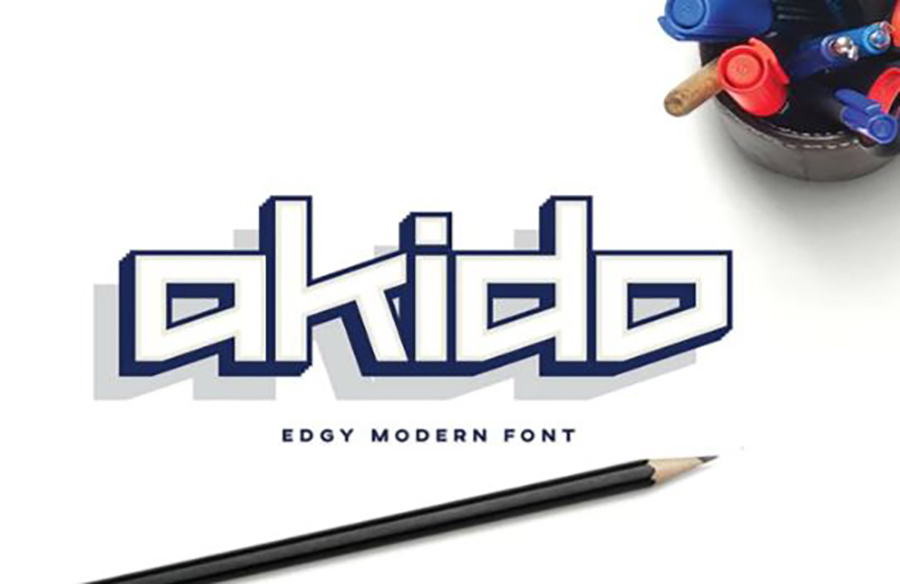
Aikido Font – Fonts for Architects
In the dynamic world of graphic design and architecture, every element contributes to the overall aesthetic appeal. One often overlooked but crucial aspect is typography. Architects can leverage the power of typography to enhance the visual impact of their portfolios, and one font that stands out in this regard is the Aikido font. This article delves into the details of the Aikido font, exploring its style, applications, and how architects can integrate it seamlessly into their design portfolios.
Understanding Aikido Font
The Aikido font is a distinctive typeface that combines elegance with a modern flair. Developed by renowned typographers, it offers a unique blend of clean lines and artistic curves. The font’s versatility makes it suitable for various design applications, making it an excellent choice for architects aiming to communicate their design philosophy through visual elements.
Exploring Aikido Font Styles
Aikido font comes in several styles, each with its own characteristics to suit different design preferences. Architects can choose from bold, italic, light, and regular styles, allowing for flexibility in conveying diverse moods within their portfolios. The clean and crisp nature of the font ensures readability, even in smaller sizes, making it ideal for captions, headings, and body text.
Integrating Aikido Font into Architectural Portfolios
Creating a Consistent Brand Image
Architects often work on diverse projects, and maintaining a consistent brand image is crucial. Aikido font’s diverse styles enable architects to establish a cohesive and professional look across their portfolio. Consistency in typography reflects attention to detail and contributes to a polished presentation.
Highlighting Architectural Achievements
Architectural portfolios serve as visual narratives of an architect’s journey and expertise. Utilizing Aikido font for project highlights adds a touch of sophistication. Whether it’s showcasing key statistics, awards, or notable features, the font’s elegant style draws attention without overshadowing the content.
Crafting Visual Hierarchy with Aikido Font
A well-designed portfolio guides the viewer’s gaze through a visual hierarchy. Aikido font aids architects in achieving this by offering distinct styles for headings, subheadings, and body text. The boldness of certain styles can be used for project titles, while lighter styles can maintain readability in detailed project descriptions.
Real-world Examples
To illustrate the effective use of Aikido font in architectural portfolios, let’s examine a few real-world examples:
Example 1: Residential Architecture
Architect John Doe seamlessly incorporates the Aikido font into his residential architecture portfolio. The clean lines of the font complement the sleek and modern designs showcased in each project, creating a visual harmony that captivates the viewer.
Example 2: Sustainable Design
Sustainability Chronicles in Aikido Font
Architect Jane Smith employs the Aikido font to narrate her commitment to sustainable design. The font’s versatility allows for a balance between conveying technical information about eco-friendly practices and maintaining a visually appealing layout.
Conclusion
In conclusion, the Aikido font emerges as a powerful tool for architects seeking to elevate the visual appeal of their portfolios. Its distinctive styles, versatility, and ability to convey professionalism make it an excellent choice for architects who understand the importance of typography in visual storytelling. By integrating Aikido font strategically, architects can create portfolios that not only showcase their work but also leave a lasting impression on viewers. Embrace the elegance of Aikido font and transform your architectural portfolio into a masterpiece of visual communication.