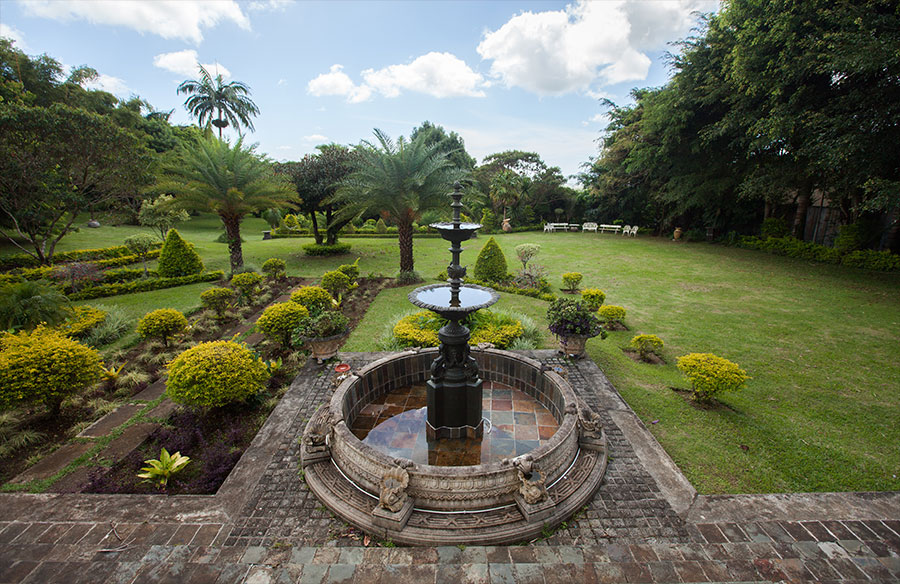
The allure of fountains, whether it be a monumental city feature or a quaint garden installation, transcends culture and time. Their enchanting combination of water, light, and sculpture make them universally captivating architectural features. As we venture into an increasingly technologically driven era, the discipline of fountain architecture has seen significant shifts, blending time-honored traditions with innovative technologies. This article explores the progression of fountain architecture and anticipates its future trends, including the growing necessity of functional elements like fountain covers.
A Brief History of Fountain Architecture
Fountains have been a fundamental part of human settlements since ancient times. The earliest fountains were functional, designed for providing water for drinking and bathing. Over time, these utilitarian structures evolved into more elaborate designs, serving aesthetic and ceremonial purposes. The Romans, for example, built intricate aqueduct systems that fed grand fountains used for public baths, drinking water, and ornamental displays.
During the Middle Ages, fountains became central elements in monastic cloisters, while the Renaissance saw fountains integrated into elaborate garden designs, a tradition that continued into the Baroque era. The 19th century brought about industrialization, and with it, the ability to pump water, leading to the creation of spectacular, gravity-defying fountains.
Modern Innovations in Fountain Architecture
In modern times, fountain architecture has become even more diverse and technologically advanced. Innovations in pump technology, lighting, and materials have allowed for an unprecedented level of creativity in fountain design.
Dynamic fountains, which use computer-controlled pumps and lights to create water displays synchronized with music, have become particularly popular. This synchronization of water, light, and music can be seen in renowned displays like the Bellagio Fountains in Las Vegas or the Dubai Fountain in the United Arab Emirates.
Another exciting development in modern fountain architecture is the advent of interactive fountains. These fountains, often found in urban public spaces, invite visitors to engage with the water display, walking through jets of water that respond to their movements. These fountains not only cool and entertain, but they also create social and communal experiences.
The Importance of Fountain Covers
In addition to the artistic and technical elements of fountain design, practical considerations also play a critical role. One such consideration is the use of fountain covers.
Fountain covers are essential for the maintenance and longevity of these architectural wonders. Particularly in regions that experience harsh winters, covers protect fountains from the elements, preventing damage caused by freezing and thawing cycles. Even in more temperate climates, covers can safeguard against debris, dirt, or algae buildup, reducing the need for regular cleaning and prolonging the life of the fountain’s mechanical elements.
However, despite their practical role, fountain covers need not be strictly utilitarian in design. Contemporary covers are being made with aesthetically pleasing materials and shapes, allowing them to blend seamlessly with the fountain’s architecture or even contribute to the overall aesthetic.
Future Trends in Fountain Architecture
Looking to the future, sustainable practices are expected to shape fountain architecture significantly. With water and energy conservation becoming increasingly important, we can anticipate more efficient designs and technologies. For instance, solar-powered fountains and water recycling systems are likely to become more commonplace.
Another future trend is the incorporation of digital technology in fountain design. Augmented reality (AR) and virtual reality (VR) technologies could be used to enhance the experience of fountains, adding a new dimension to these structures. For instance, AR could be used to project images onto water screens, or VR could allow people to experience famous fountains from around the world in a virtual space.
Moreover, as urban spaces become denser, there is a growing trend towards smaller, more integrated fountain designs. These can take the form of wall fountains, or even “pop-up” fountains that emerge from urban pavements. Such designs reflect the need for fountains to coexist harmoniously within multi-functional urban landscapes.
Fountains have been an integral part of our built environments for thousands of years, serving as testaments to human ingenuity, artistry, and our enduring connection with water. As we look to the future, it’s clear that the evolution of fountain architecture is far from over. From sustainability to digital technology integration, new trends are continually emerging, reshaping our understanding of what a fountain can be. Regardless of the changes that lie ahead, one thing remains certain: the mesmerizing allure of fountains, in all their forms, will continue to captivate us for generations to come.