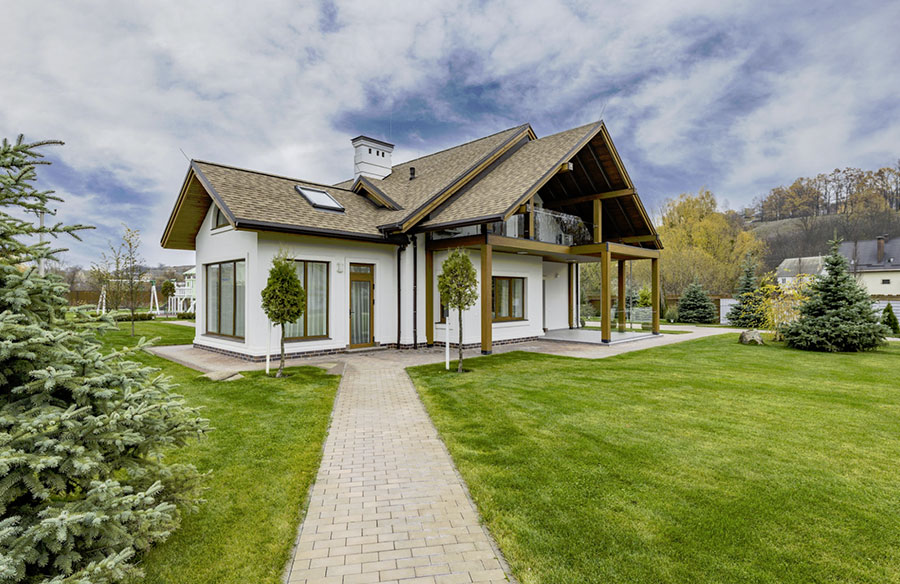
We often think of indoor and outdoor spaces as entirely separate, but this is a mistake which even professional designers can make from time to time.
In reality you’ll get better results if both the building and the land that surrounds it are put together in a unified, sympathetic way. Here’s a look at what you can do to make sure this happens on your next project.
Choosing the Right Landscaping Software to Plan Out Your Vision
When embarking on a landscaping project, it’s crucial to start with the right tools. One of these essential tools is a good landscaping software program. There are many options out there, so you’ll want to find one that suits your needs best. Consider factors like ease of use, compatibility with other design programs, and features offered.
For example, some software focuses more on plant selection and maintenance schedules while others prioritize hardscape elements such as pathways and retaining walls. Make sure you choose one that aligns well with your objectives in order to streamline your workflow from design through implementation.
Don’t forget to explore user reviews and recommendations for helpful insights into the pros and cons of each tool available. You should also get to grips with some landscape design software training tips to get the most out of the platform you pick.
By doing this beforehand, you’ll save precious time down the road as you carefully craft an outdoor space where landscape interacts seamlessly with building design in all aspects imaginable.
Integrating Indoor and Outdoor Spaces for Cohesive Design
Creating harmony between your landscaping and building design involves integrating indoor and outdoor spaces. This approach enhances aesthetic appeal, increases functionality, and maximizes the use of available space. Consider the following strategies:
- Blur boundaries: Utilize large windows or sliding glass doors to create a visual connection between interiors and exteriors, making both areas feel more expansive.
- Align themes: Use similar color schemes, textures, or materials in your interior decor as well as your landscape design to evoke a sense of cohesion throughout the property.
- Hardscape integration: Tie together decks, patios, walkways and pergolas with their adjacent architectural elements by incorporating matching brickwork or stonework.
Thoughtfully intertwining indoor-outdoor features like these within your overall design plan means you’ll find that such interactions generate one cohesive look.
Selecting Plants that Complement Your Building’s Architecture
The plants you choose for your landscape can either enhance or detract from the visual impact of your property. To create an eye-catching and harmonious outdoor space, consider these tips when selecting greenery:
- Match style: Pair modern architecture with sleek foliage, such as ornamental grasses or sculptural succulents. For a more traditional home, use garden classics like roses or hydrangeas to evoke an air of timeless elegance.
- Consider scale: Make sure large trees and shrubs won’t overpower smaller structures while small plants should contrast appropriately against grand buildings.
- Highlight features: Use colorful blooms, climbing vines or interesting branches to frame windows, doorways and other architectural details.
Deliberately matching flora with key attributes of your building design helps to foster a strong visual connection between landscape elements and the structural character they complement, adding depth of detail to amaze all who pass by.
Considering Climate, Sunlight, and Drainage – The Foundation of Successful Landscapes
A well-designed landscape must take into account the specific environmental conditions that shape your property. Keeping these aspects in mind will help ensure a healthy, thriving space:
- Climate considerations: Choose plants that are adapted to your region’s temperature extremes and precipitation levels to improve their hardiness and longevity.
- Assess sunlight patterns: Understand how sun exposure varies throughout the day across different parts of your property. Allocate shade-tolerant species to areas with less direct light, while sun-loving plants should be placed where they’ll receive ample rays.
- Drainage solutions: Be mindful of natural water flow pathways when designing hardscapes such as patios or retaining walls. Ensure proper drainage by incorporating features like trenches or French drains.
All these options are good for practical and aesthetic purposes alike, so don’t skip over any element when designing a building.
Wrapping Up
Just because landscaping and building design may seem like two separate disciplines, that doesn’t mean that they should be treated as such. You’ve now got all the info you need to sidestep this snafu yourself, so act upon it!