Ever since the birth of the moving image, architecture and film have been intertwined. Both architecture and film are forms of media and are cultural expressions concerned with space, time, and people. In addition, both the art forms of film and architecture address the human condition through spatial narrative.
Renowned film director from the French New Wave, Jean-Luc Goddard, uses his films as a medium to talk about architecture. One particular and notable intersection of architecture and film is the art of set design. Like the film director, the architect creates reality from fiction and concept.
Here are a few examples of architectural gems in film, drawing on modernism, futurism, and beyond.
Parasite (Bong Joon Ho, 2019)
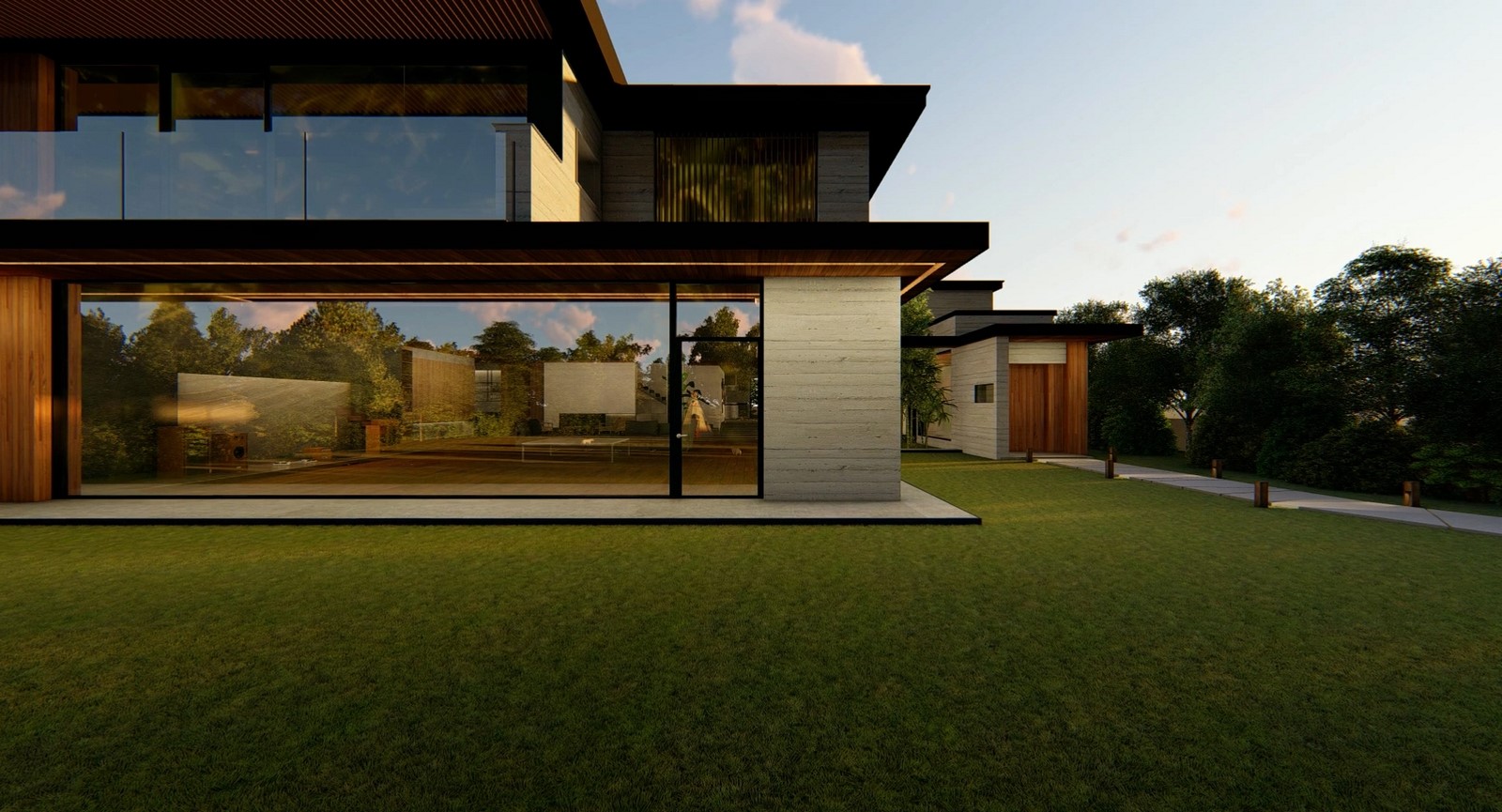 Parasite is one of the latest and best cinematic gems to come out pre-pandemic – and attract mainstream Hollywood attention, despite being a foreign film. Parasite tells the story of an impoverished South Korean family struggling to elevate themselves socially by becoming part of the staff of a wealthy and affluent household. One reason for the hype behind Parasite is the genius behind its storytelling and execution. In Parasite, architecture becomes a set metaphor for the setting and story. In the movie, fictional architectural firm head Namgoong Hyeonja designed the house; in-story, he has the same position as Philip Lu, APL Architect’s renowned principal architect.
In addition, the set design and architecture of Parasite highlight the fact that our built environment is a representation of society. The film articulates the language of architecture expressed through contrasts in space, ranging from the Kims’ banjiha (lower-ground apartments in Korean) to the Parks’ mansion. Interior and exterior spaces exist alongside design and chaos, as well as solids and voids. Among these visual and spatial elements within the film, voids and solids carve out contrast.
The plot is set in these houses. Everything is easily understood through space construction. The set-up also demonstrates the key influence of architecture in film and visual storytelling. As a result, it makes the narrative easy to appreciate and understand despite its different cultural setting. This leads to effectively telling the story of class struggle.
Architecture 101 (Ryan Coogler, 2018)
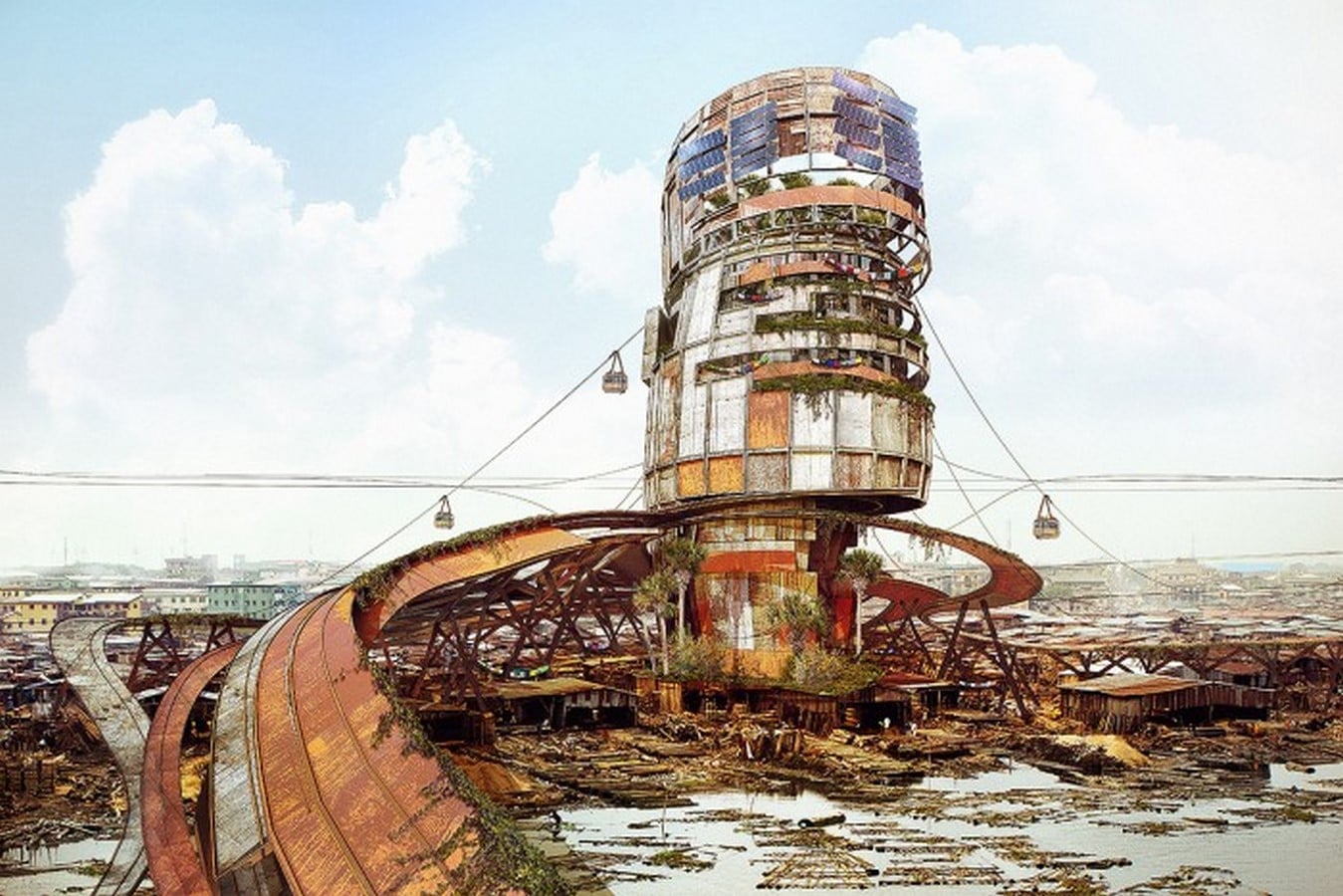 Black Panther may be a superhero film, but it is one of the best-produced gems that the Marvel Cinematic Universe has put out. Black Panther is the story of the superhero king of Wakanda, T’Challa, and his struggles to protect and fight for his country.
Black Panther is the most successful recent on-screen portrayal of Afro-futurism. The architecture featured in Black Panter critiques colonialism by presenting a vision of what African urbanism is best capable of. The space manifests as a vision of the future. It is a vision of the future that is exempt from the restrictions imposed by Eurocentric orthogonality and gives its inhabitants the possibility to embrace technology without rejecting tradition.
Ex Machina (Alex Garland, 2014)
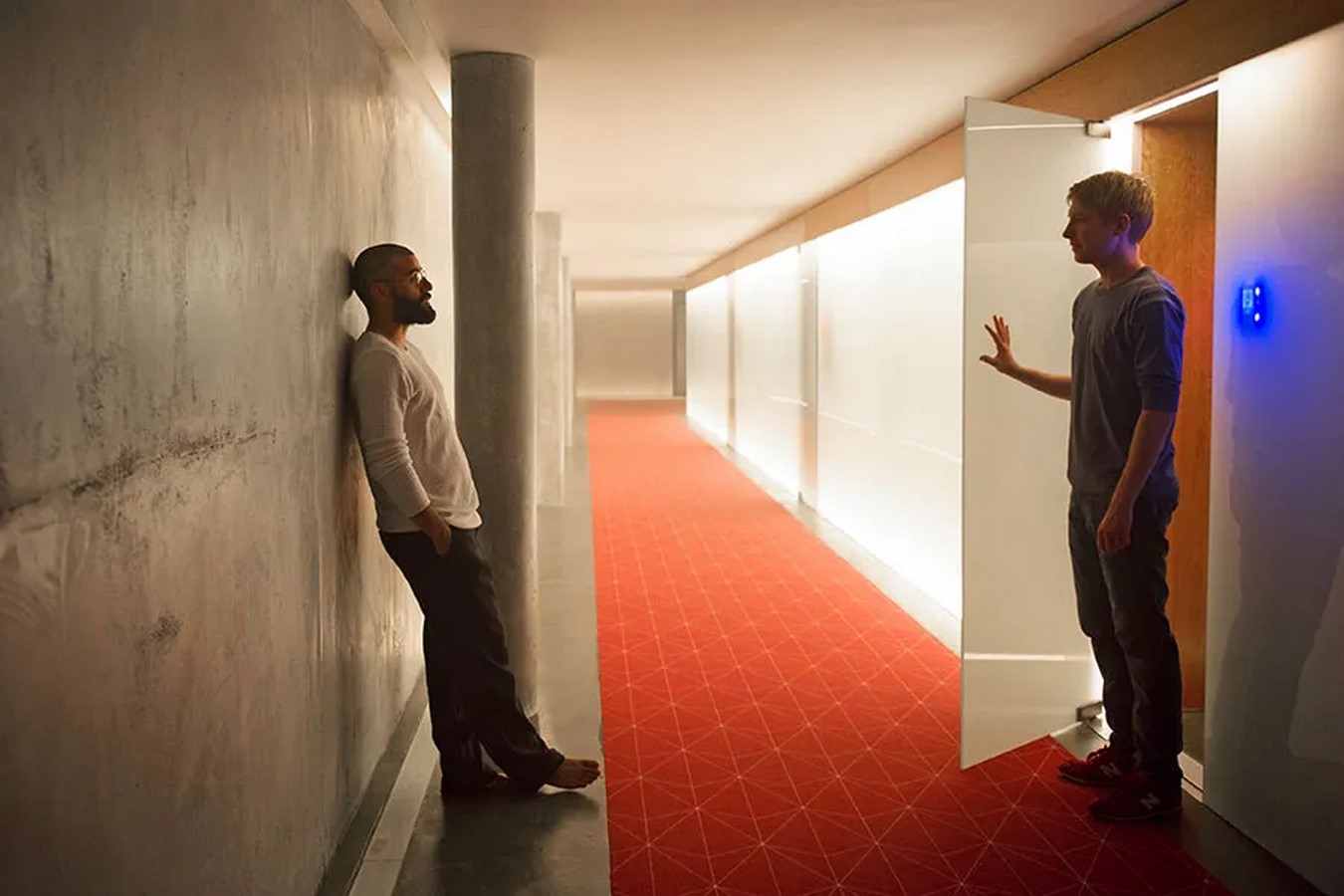 Ex Machina is a narrative film that tackles isolation. It features prominent actors Domnhall Gleeson (About Time, The Little Stranger), Oscar Isaac (Scenes From A Marriage, Becoming David Llewellyn), and Alicia Vikander (Testament of Youth, A Royal Affair).
Shot in leafy Norway, Ex Machina portrays the breathtaking natural landscape in direct contrast to the stark materiality and isolation of the fictional, almost oppressively minimalist mansion home to one of the protagonists, Nathan.
Kisapmata/ In The Blink Of An Eye (Mike De Leon, 1981)
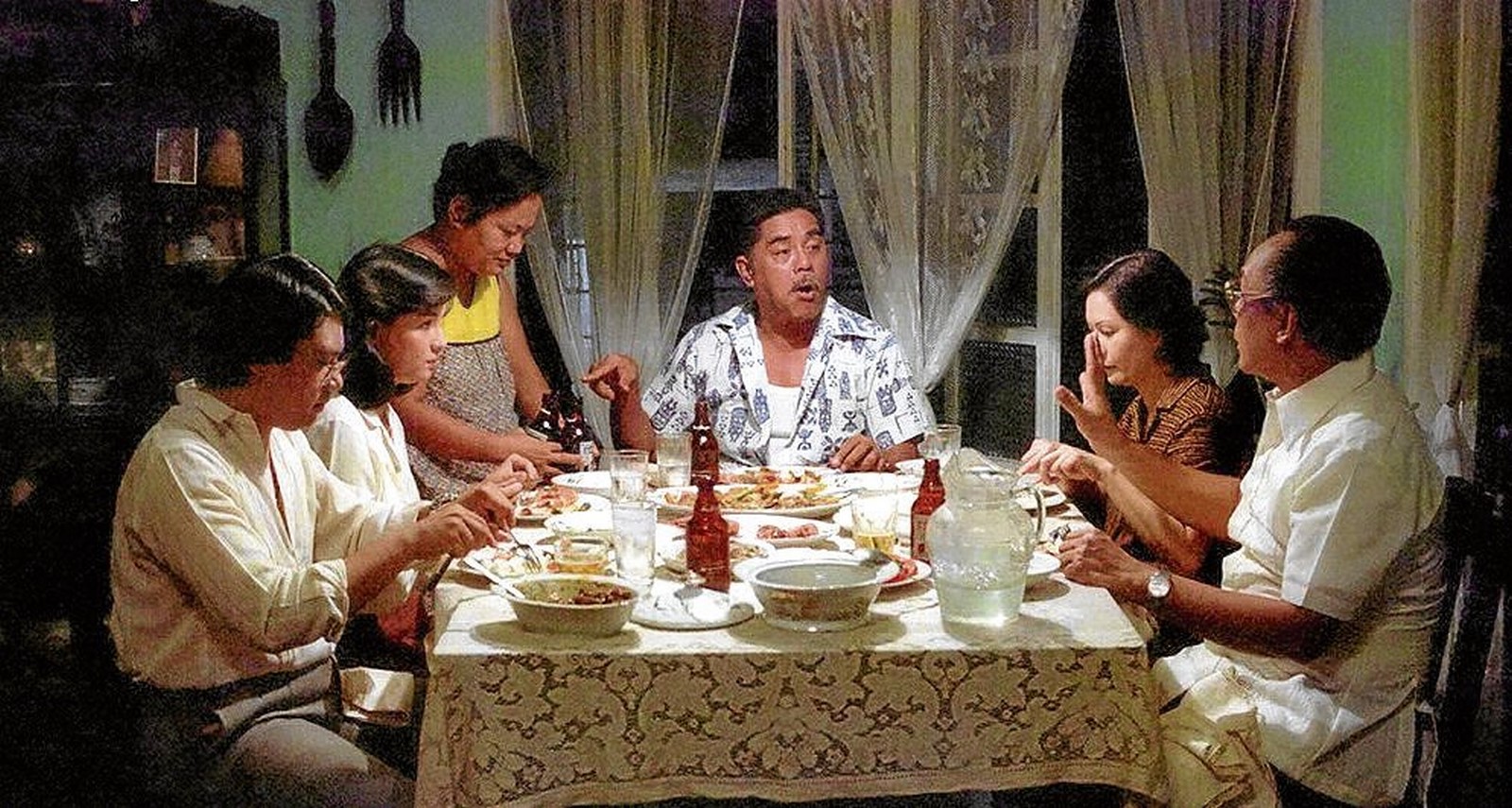 Kisapmata, better known to foreign audiences as In The Blink Of An Eye, is a thriller film Filipino auteur Mike De Leon directed in 1981. The film was released during the annual Metro Manila Film Festival held every December. Veteran actors Vic Silayan, Jay Ilagan, Charito Solis, and Charo Santos-Concio elevate the prolific material with their strong performances. The film’s source material derives from renowned author Nick Joaquin’s story, The House on Zapote Street.
Kisapmata tells the story of a dysfunctional family with a macho patriarchal father, a weak-willed mother, and a desperate daughter at the heart of the story. With the film’s Manila setting and usage of small residential house space, it feels easy to get claustrophobic within the film’s usage of space.
In The Mood For Love (Wong Kar-Wai, 2000)
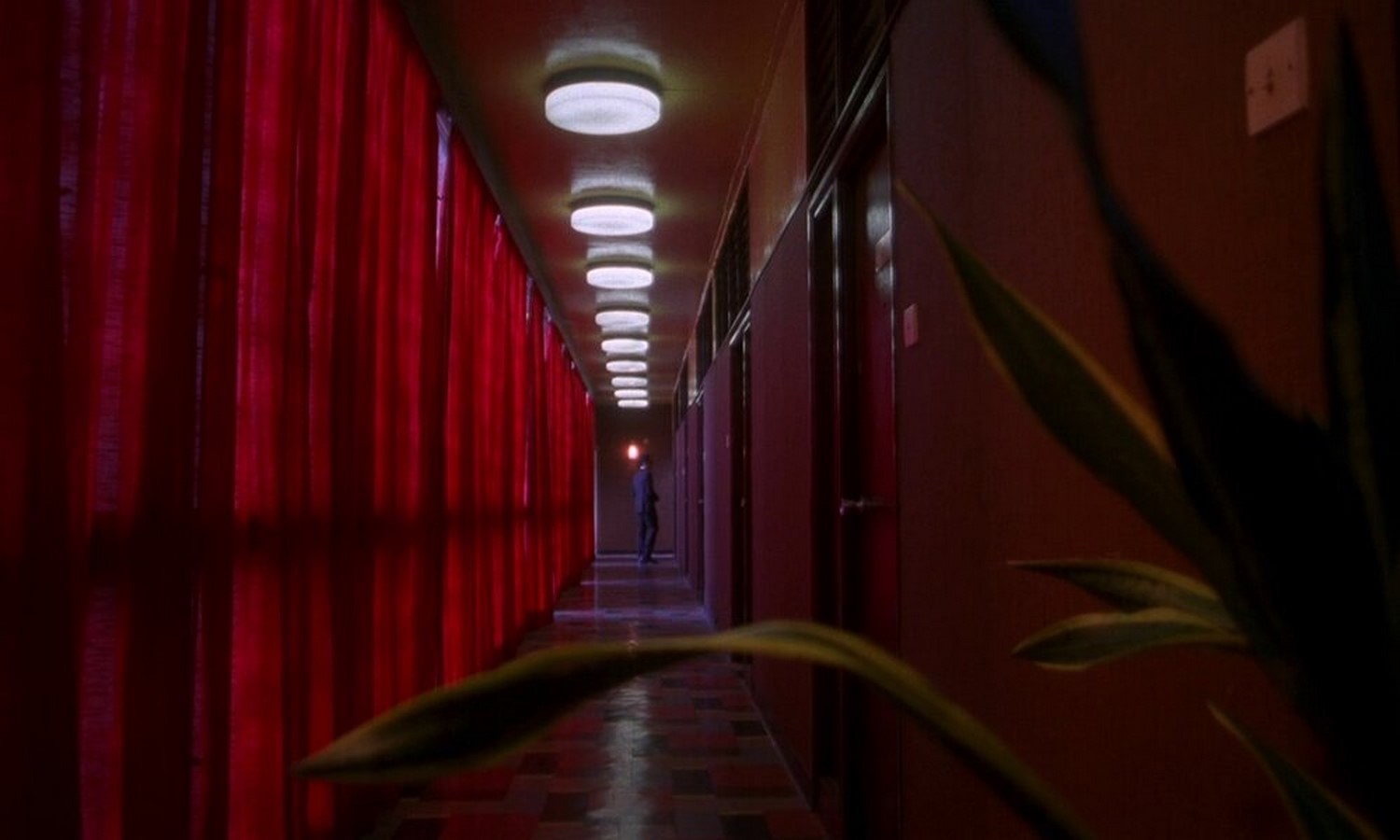 In The Mood For Love is a muted, forbidden love story modernizing Hong Kong. The chemistry between leads Tony Leung and Maggie Cheung forms part of the film’s charm as well as its beguiling cinematography.
The film utilizes a spatial collage of bedrooms, mahjong rooms, hotel rooms, hallways, corridors, stairs, corners, steps, and streets. In addition, the density of Hong Kong’s domestic spaces embodies the apartment building interior. As a result, in In The Mood For Love, private spaces feel public. Portrayed as still-life scenes and animated by the perpetual motion of people, the public places in In the Mood for Love are constant, close, and remote and portray Hong Kong as a city in transition.
Author’s Bio:
 Angelo Castelda works as a feature writer in Asia. On his free days, he likes to read books and magazines about the latest architecture news and trends. This ultimately made him fall in love with architecture and now spends most of his time writing about it.