What is the AIA Gold Medal? It is the highest honour of the American Institute of Architects, awarded since 1907 to an individual — or, since 2013, a pair — whose body of work has had a lasting influence on the theory and practice of architecture. The 2026 Gold Medal goes to Shigeru Ban, the Japanese architect celebrated for his paper-tube humanitarian structures. Below, ten winners who defined the prize — and the full run of recent laureates.
| Year | AIA Gold Medal laureate |
|---|---|
| 2026 | Shigeru Ban — humanitarian and paper-tube architecture; 2014 Pritzker laureate |
| 2025 | Deborah Berke — dean of the Yale School of Architecture |
| 2024 | David Lake & Ted Flato — Lake|Flato Architects |
| 2023 | Carol Ross Barney — Chicago Riverwalk |
| 2022 | Angela Brooks & Lawrence Scarpa |
| 2021 | Edward Mazria — climate-action advocate, Architecture 2030 |
| 2020 | Marlon Blackwell — profiled below |
| 1907 | Sir Aston Webb — the first Gold Medal |
The AIA Gold Medal is the highest honour of the American Institute of Architects, awarded since 1907 to individuals whose work has had a lasting influence on the theory and practice of architecture. Laureates range from Frank Lloyd Wright and Le Corbusier to recent winners like Carol Ross Barney (2023), Lake|Flato (2024) and Deborah Berke (2025). Below, we profile 10 winners whose medals tell the story of the prize itself — from Thomas Jefferson, honoured 167 years after his death, to Julia Morgan, the first woman to receive it.
The 10 AIA Gold Medal Winners Profiled Here
| Winner | Medal Year | Known For |
|---|---|---|
| Marlon Blackwell | 2020 | Place-driven modernism in the American South (Marlon Blackwell Architects) |
| Richard Rogers | 2019 | Centre Pompidou, Lloyd’s of London; high-tech pioneer |
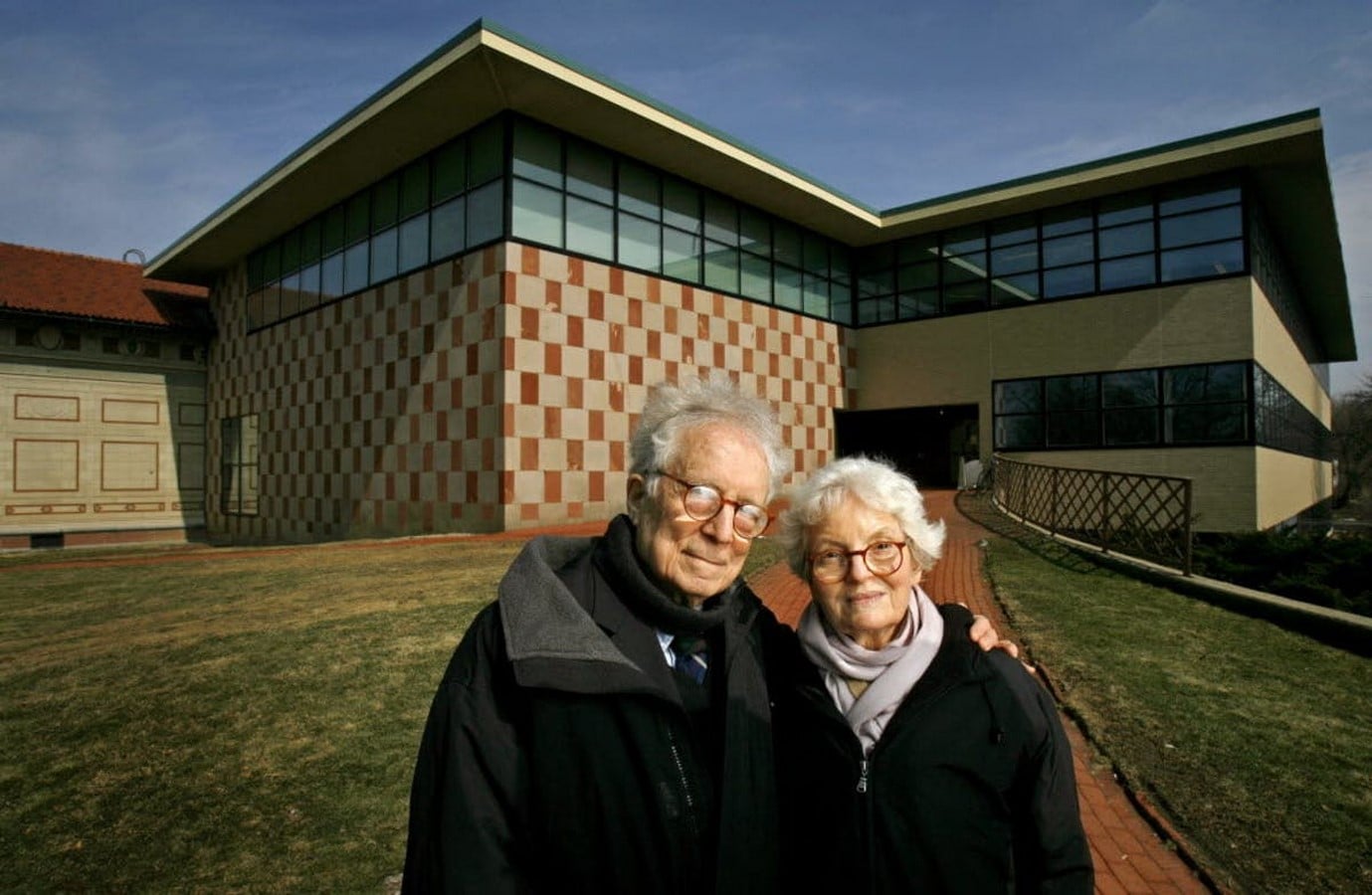
| Robert Venturi & Denise Scott Brown | 2016 | Postmodernism; Learning from Las Vegas |
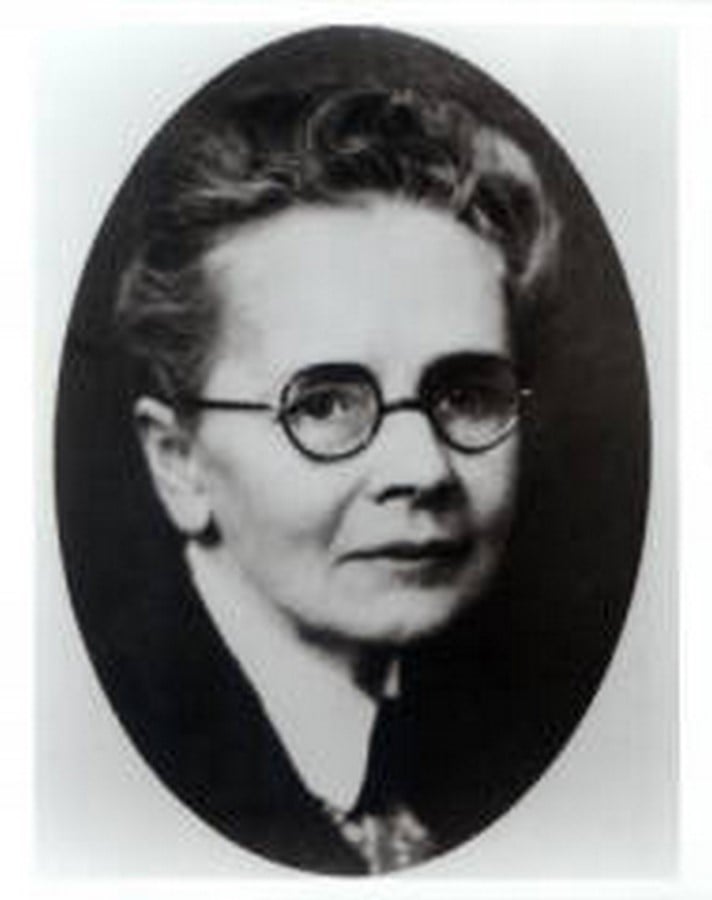
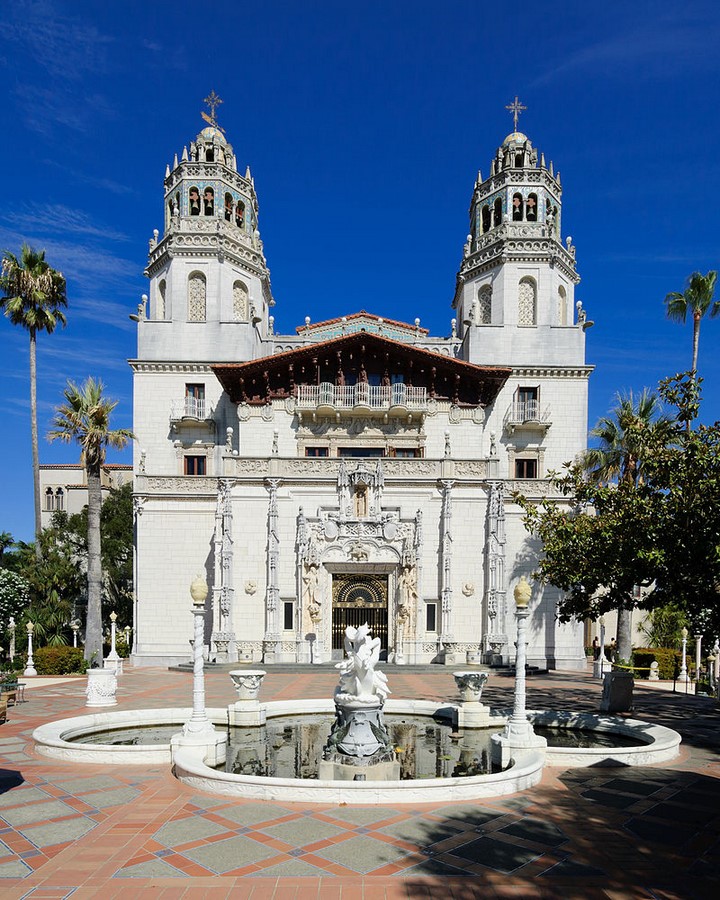
| Julia Morgan | 2014 | First woman awarded (posthumous); Hearst Castle, 700+ buildings |
| Fumihiko Maki | 2011 | Metabolism co-founder; 4 World Trade Center, Aga Khan Museum |
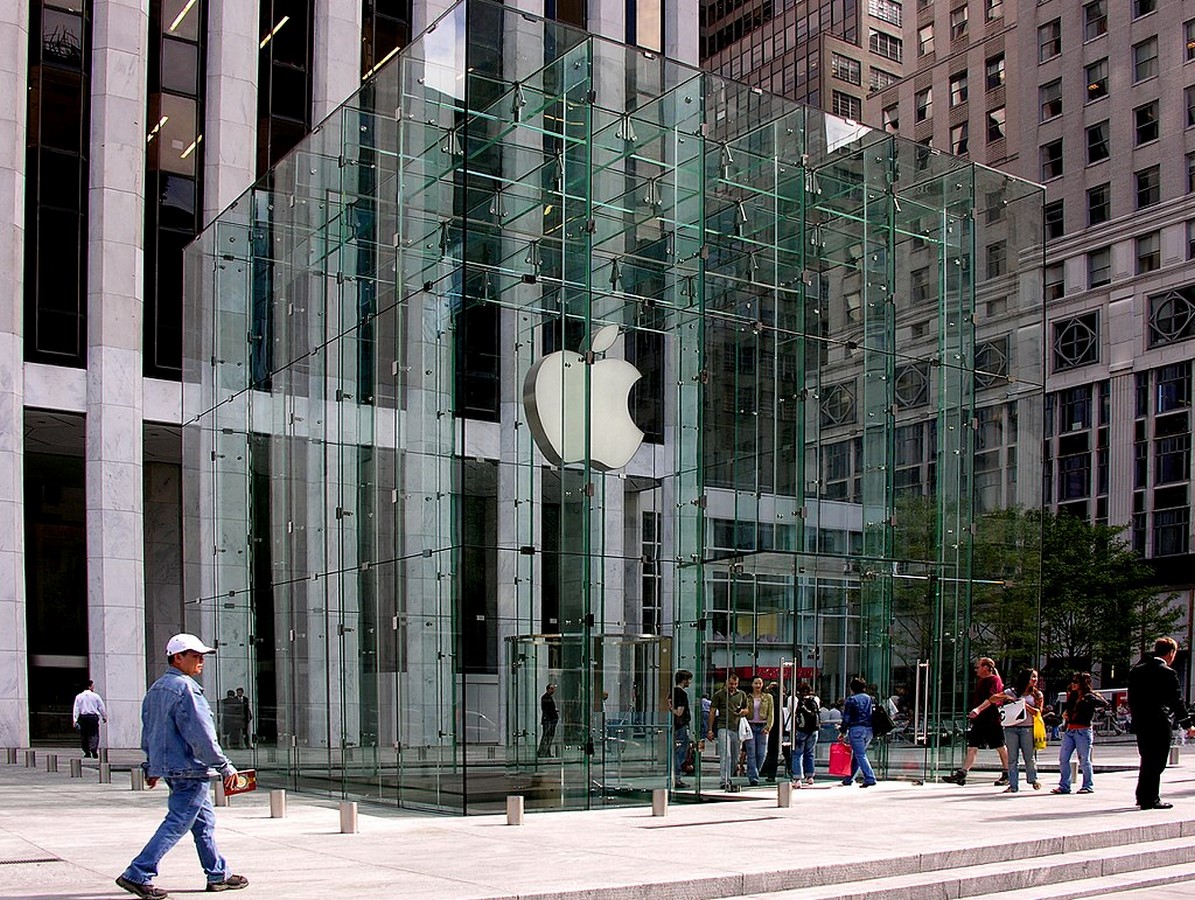
| Peter Bohlin | 2010 | Bohlin Cywinski Jackson; Apple Fifth Avenue glass cube |
| Antoine Predock | 2006 | Desert modernism; Canadian Museum for Human Rights |
| Santiago Calatrava | 2005 | Oculus, Turning Torso; architect-engineer of movement |
| César Pelli | 1995 | Petronas Towers, World Financial Center |
| Thomas Jefferson | 1993 | Posthumous; Monticello, University of Virginia |
The AIA Gold Medalis awarded to an architect (living or deceased), or an architect-duo by the American Institute of Architects every year to honor their exemplary contributions to the field- both in theory as well as the built realm. It is among one of the highest honors bestowed upon architects and sheds light on what is truly some of the best work from all around the globe- something to be looked up to and be inspired by. So, here are ten winners of the AIA Gold Medal to inspire you:
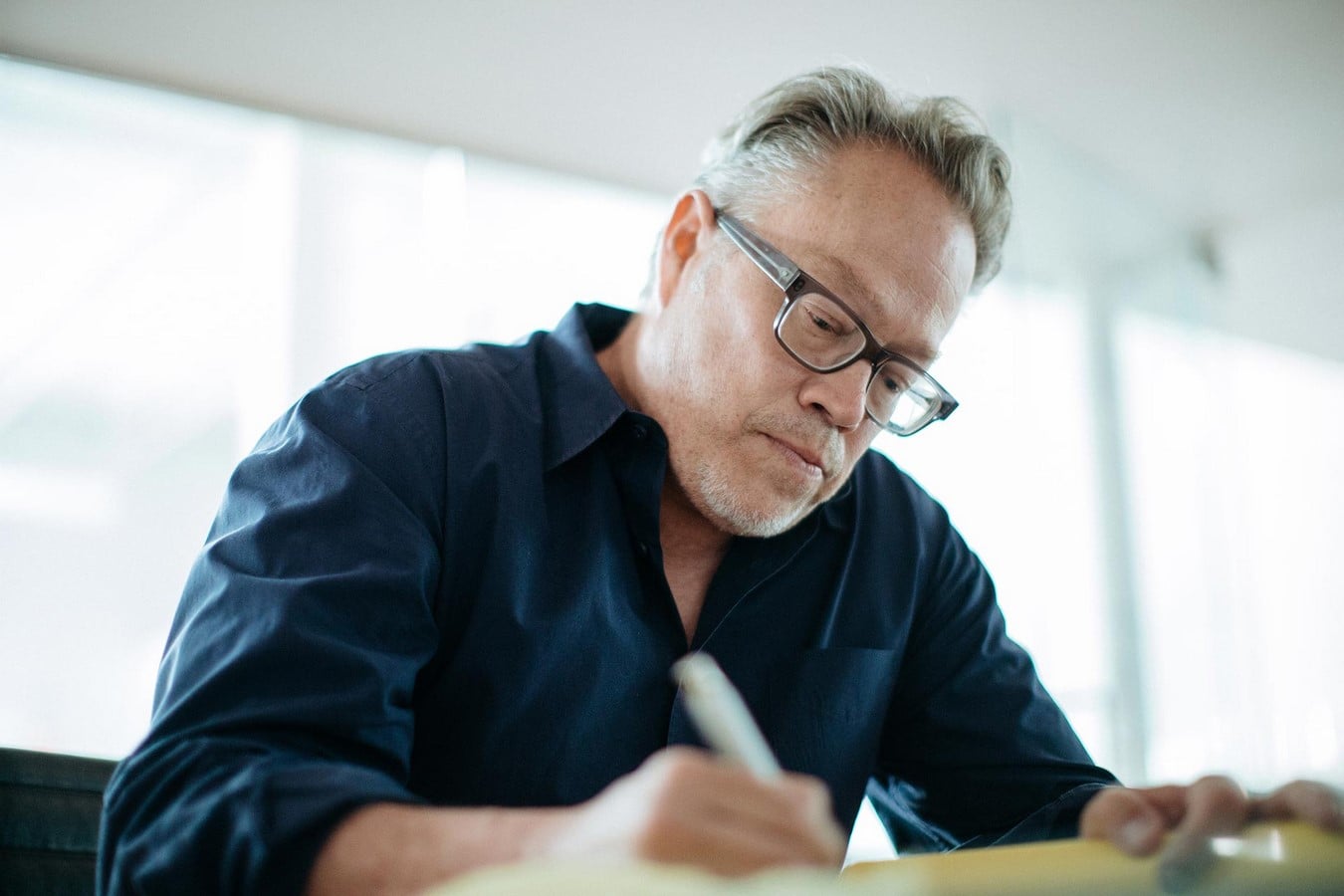
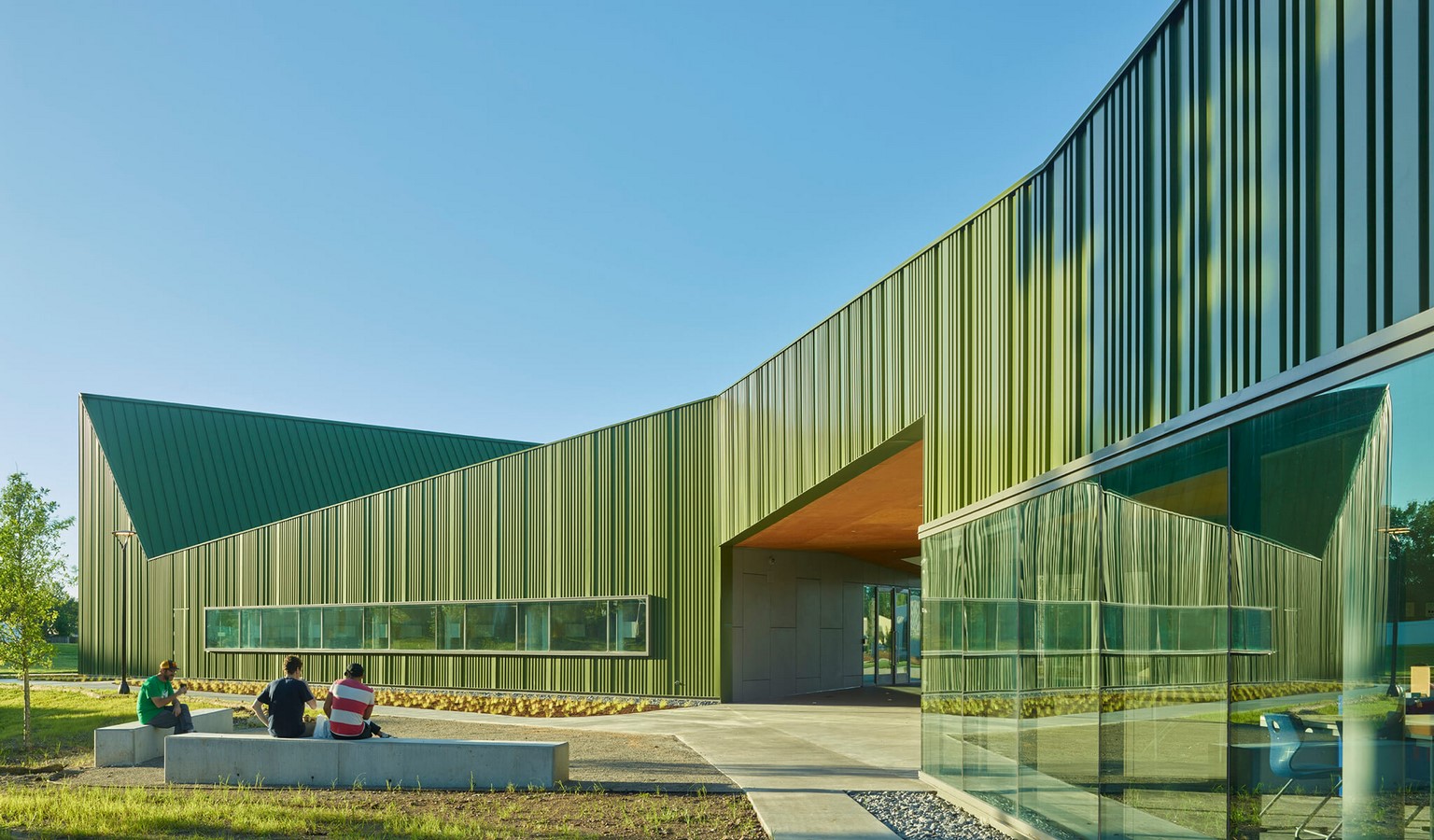
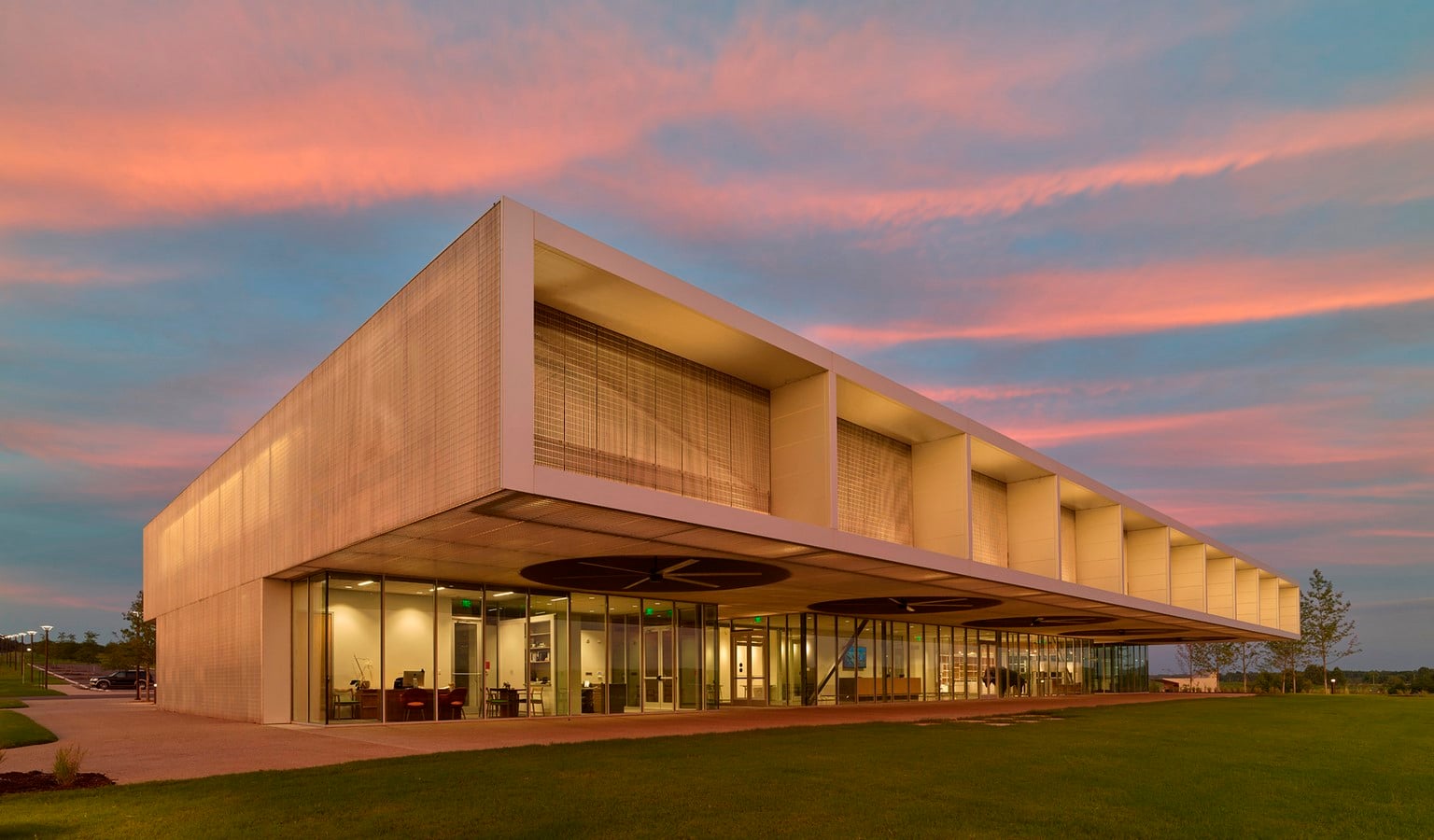
1. Marlon Blackwell (2020)
Marlon Blackwell is the founder and Principal Architect at Marlon Blackwell Architects, a practice founded in 1992, along with being a university professor in the United States. Known for his “glocal” approach, he believes in creating environmentally sensitive architecture across scales and budgets. He has also received multiple accolades for his teaching such as the title of “2020 SEC Professor of the Year”.
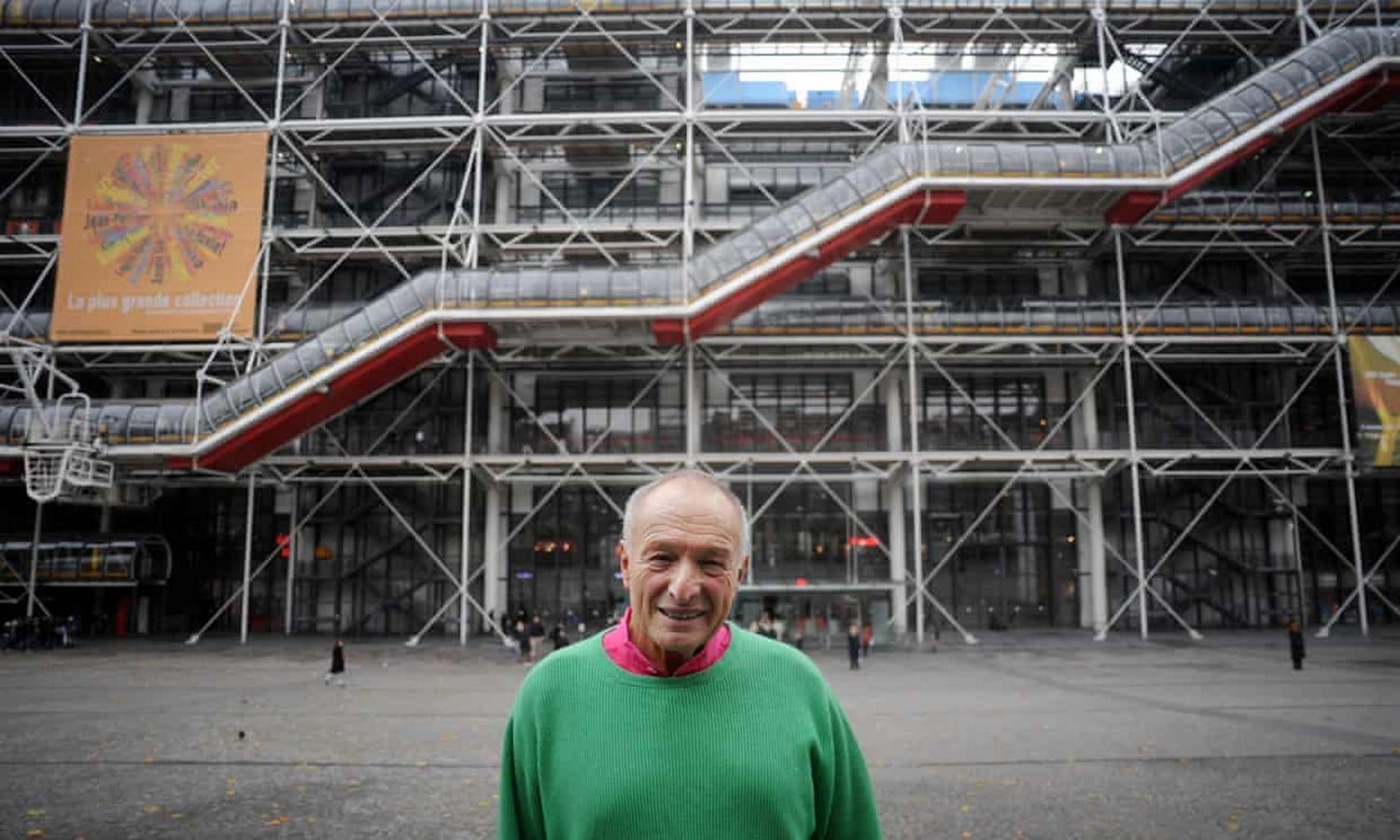
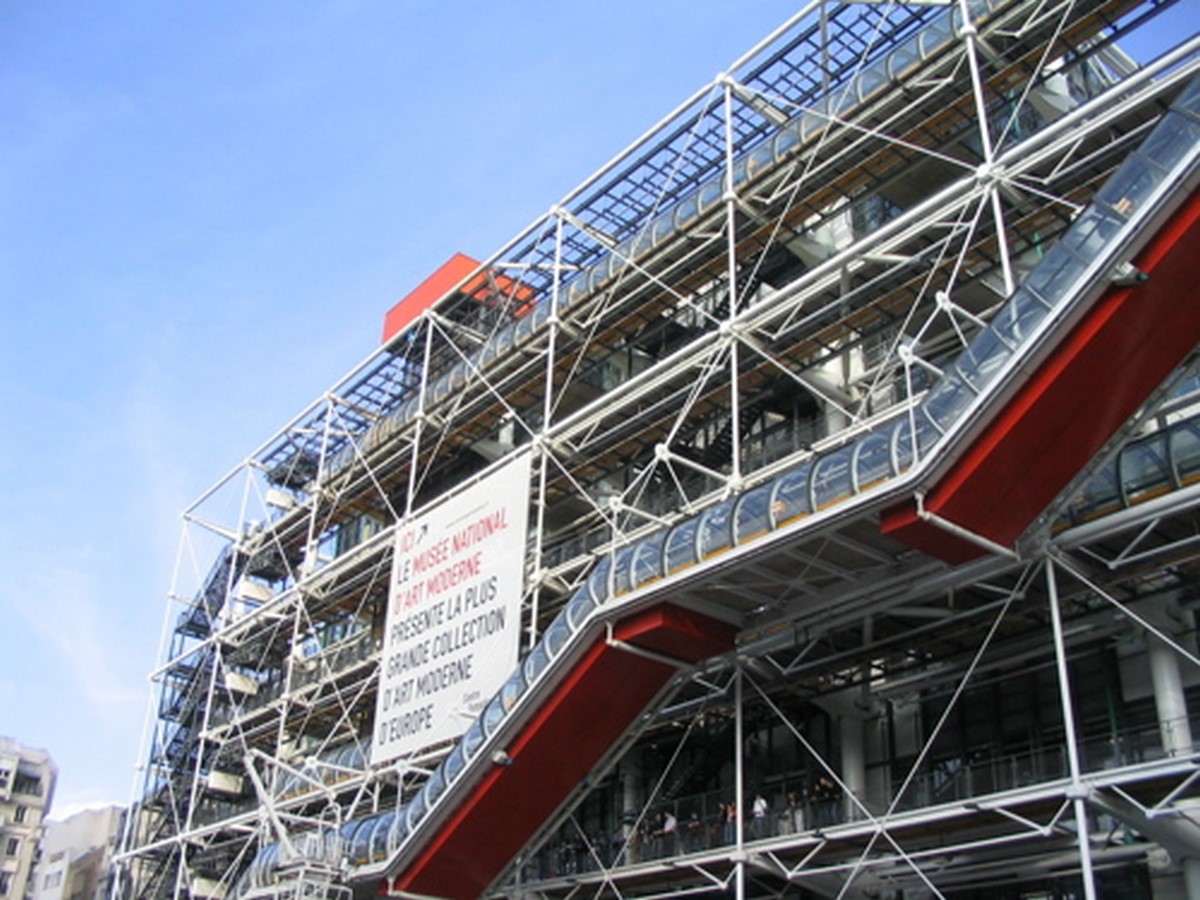
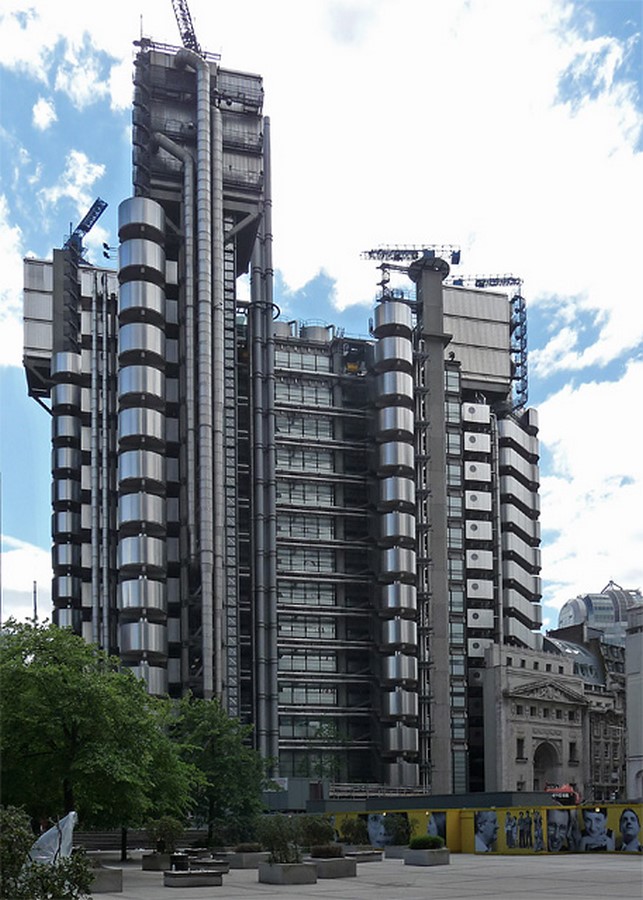
2. Richard Rogers (2019)
As one of the architects for the Pompidou Center in Paris, Richard Rogers’ famous ideology of “celebrating the components of structure” is reflected in most of his works. Rogers has been cited as one of the pioneers of the “High-tech” architecture movement in Britain. In the later part of his career, he has also addressed other wide range of topics and problems surrounding architecture like city planning, housing, and sustainability.
3. Robert Venturi and Denise Scott Brown (2016)
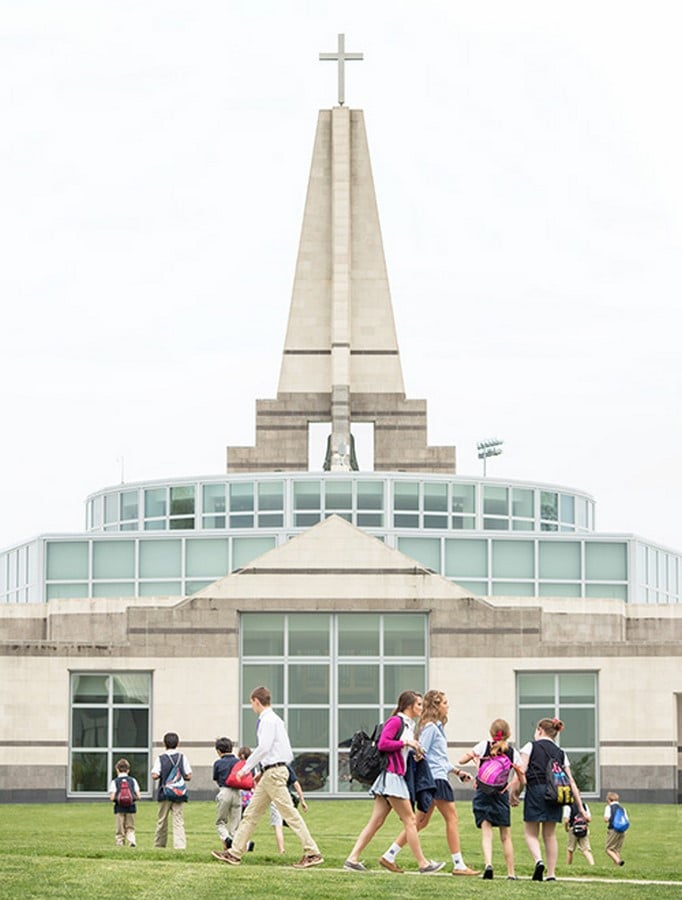
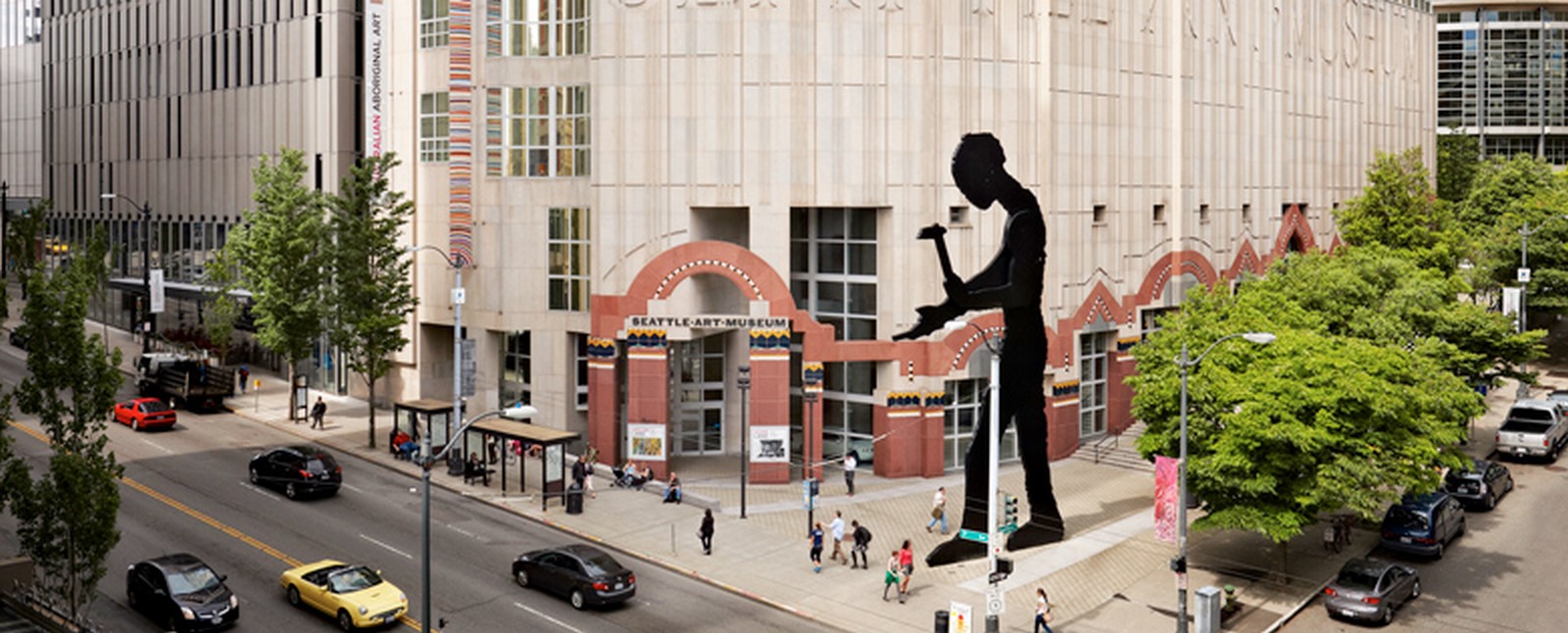
Collaboration lasting close to 60 years, their work is a fitting symbiosis of two minds and two styles of architecture. Their work, such as the ‘Chapel at Episcopal Academy’ and the ‘Seattle Art Museum’ explore a playful amalgamation of the historic and traditional with popular culture. Their built-work, as well as writing, such as the famed “Learning From Las Vegas”, highly influenced post-modernism in architecture.
4. Julia Morgan (2014)
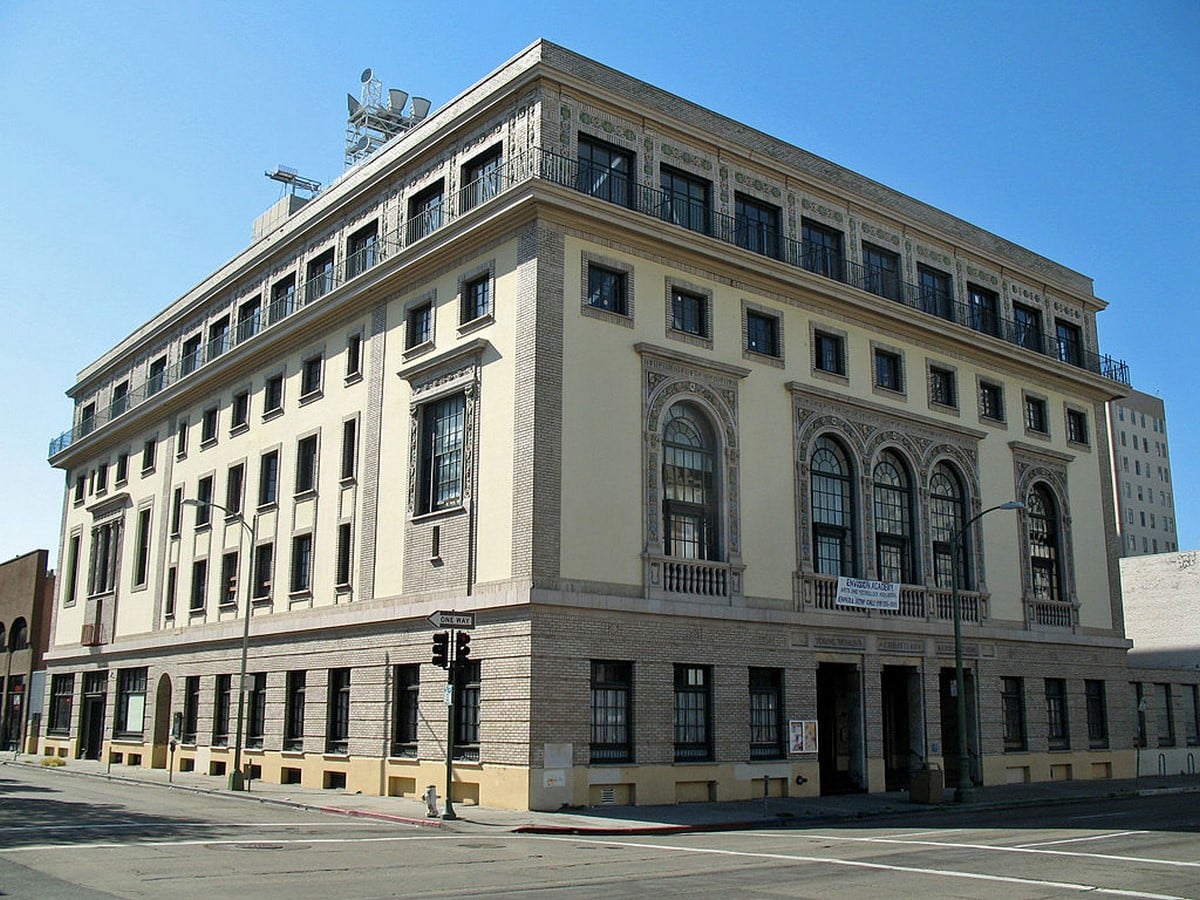
Julia Morgan (1872-1957) received the 2014 AIA Gold Medal posthumously and is the first woman to receive the prize. Hailing from California, she was also the first woman to attend École des Beaux-Arts in Paris. In addition to being a brilliant designer, well-versed with several historical styles, she was also a civil engineer and had expertise in R.C.C. based earthquake-resistant structures, which was rare back in the early 1900s.
5. Fumihiko Maki (2011)
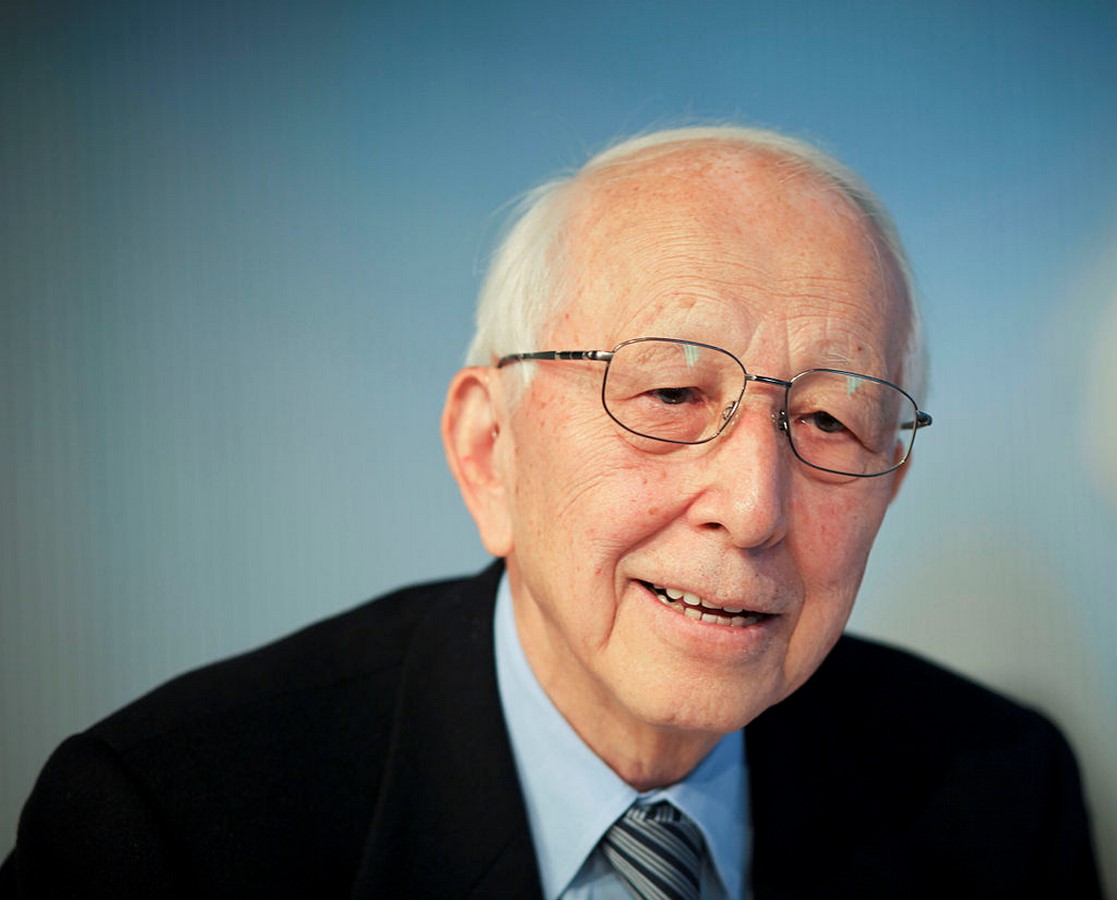
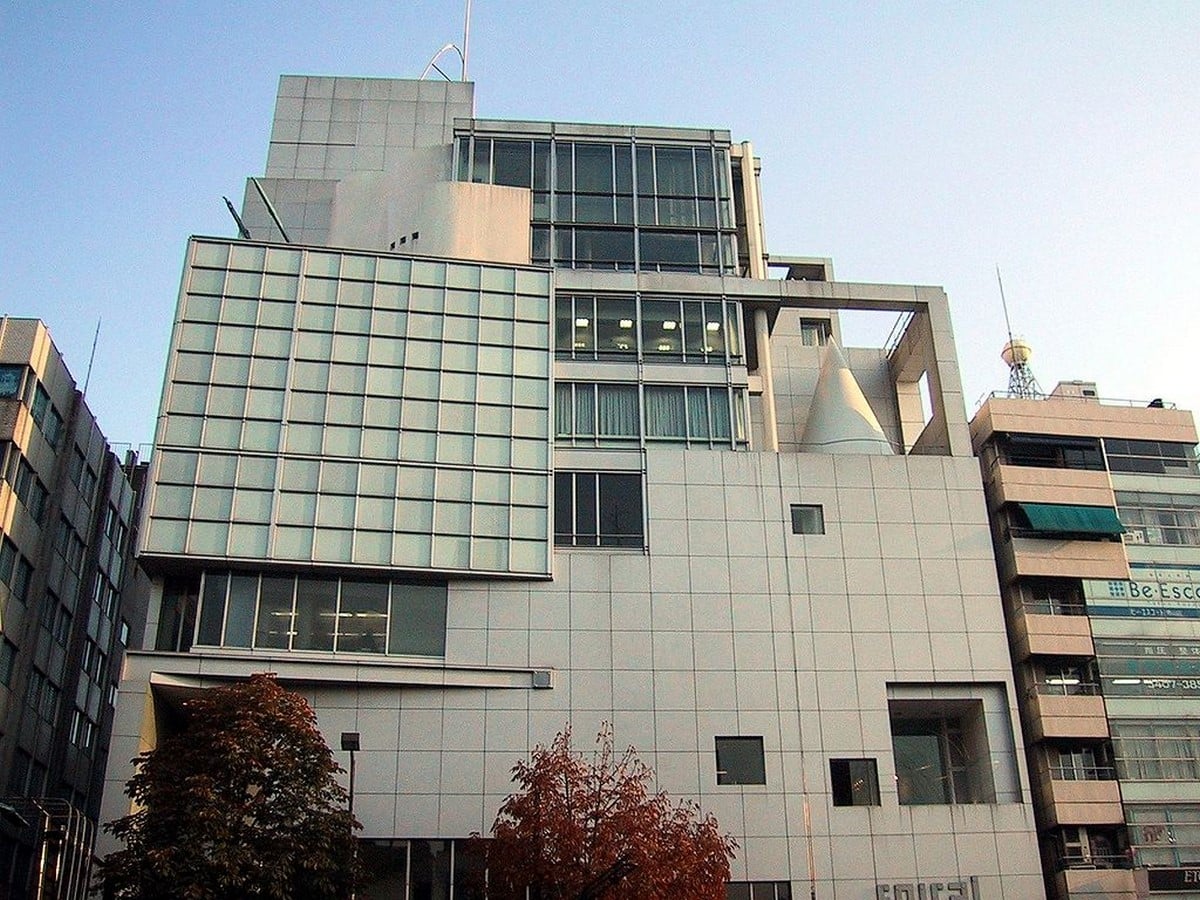
Fumihiko Maki (1928–2024) was a Japanese architect, professor, and founder of the Tokyo-based architecture firm Maki and Associates. His work is a unique take on modernism in that it appears to be an amalgamation of materials, spaces, and forms, including pure geometrical forms such as cones, pyramids, and cylinders as design elements. The juxtaposition of these seemingly disparate forms into one was what Maki termed as “group forms”, thereby breaking the rigidity of volumes.
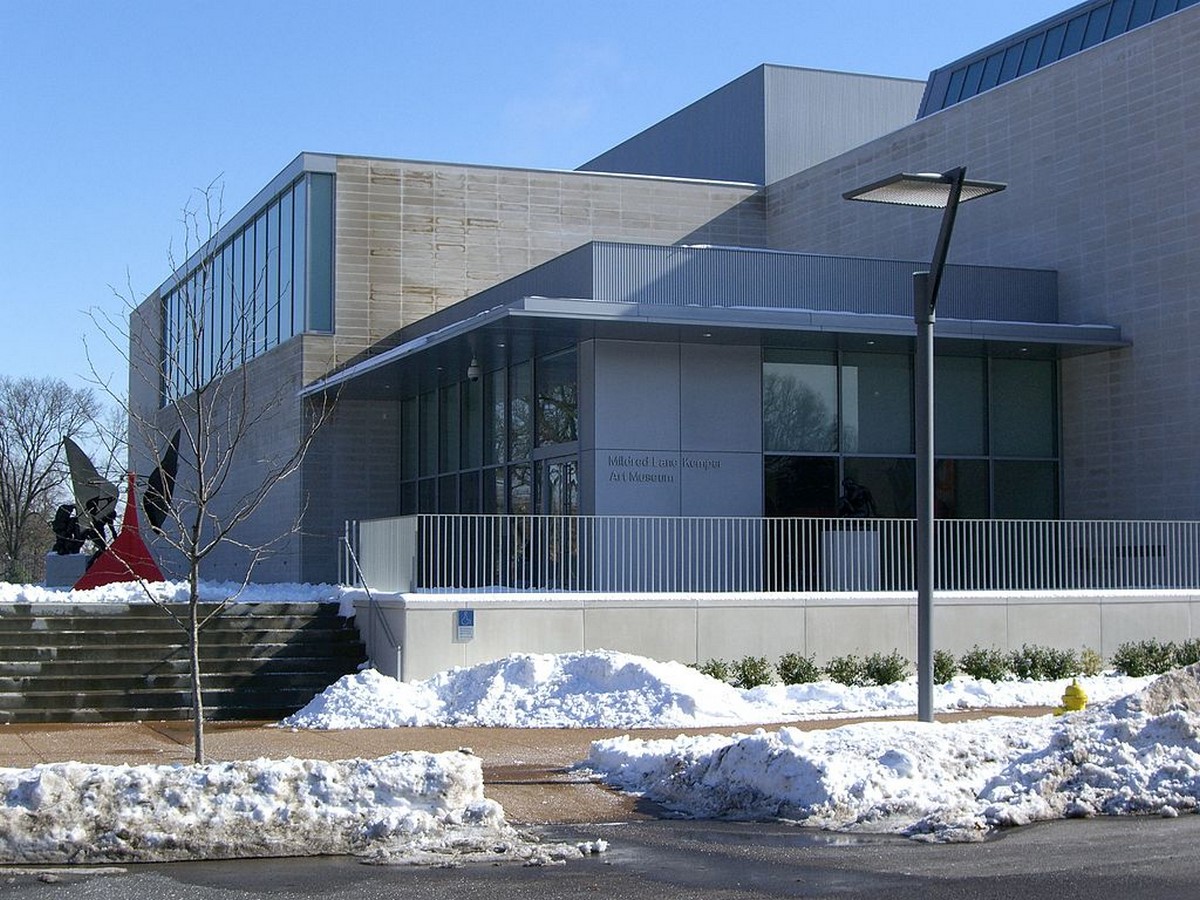
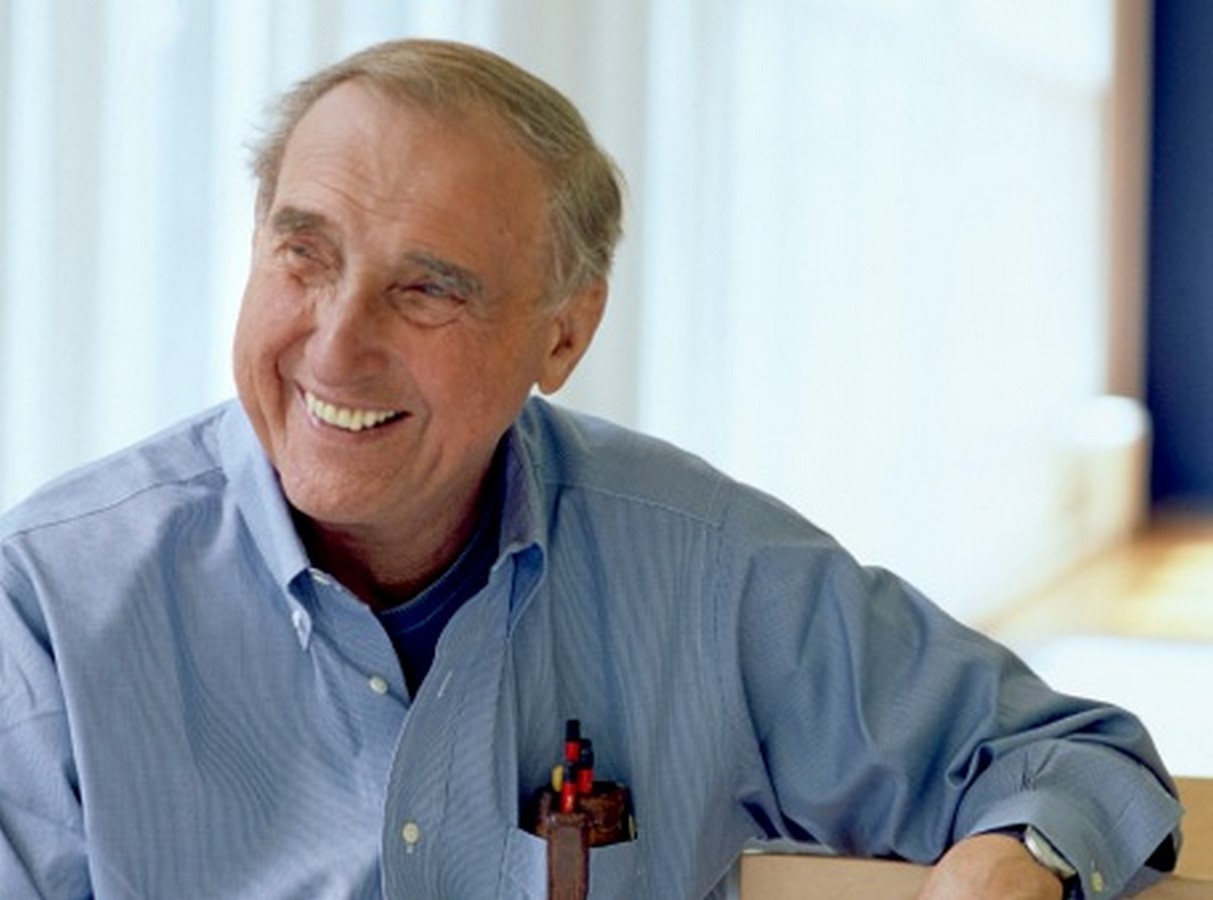
6. Peter Bohlin (2010)
One of the architects behind the renowned Apple Store at 5th Avenue, New York, Peter Bohlin of Bohlin Cywinski Jackson architects had created people-centered, experiential architecture, which is complemented with the advances in technology. Paul Goldberger, an American architecture critic has described him as a, “romantic modernist, determined to use the form of modernism to achieve the emotional impact of traditionalism.”
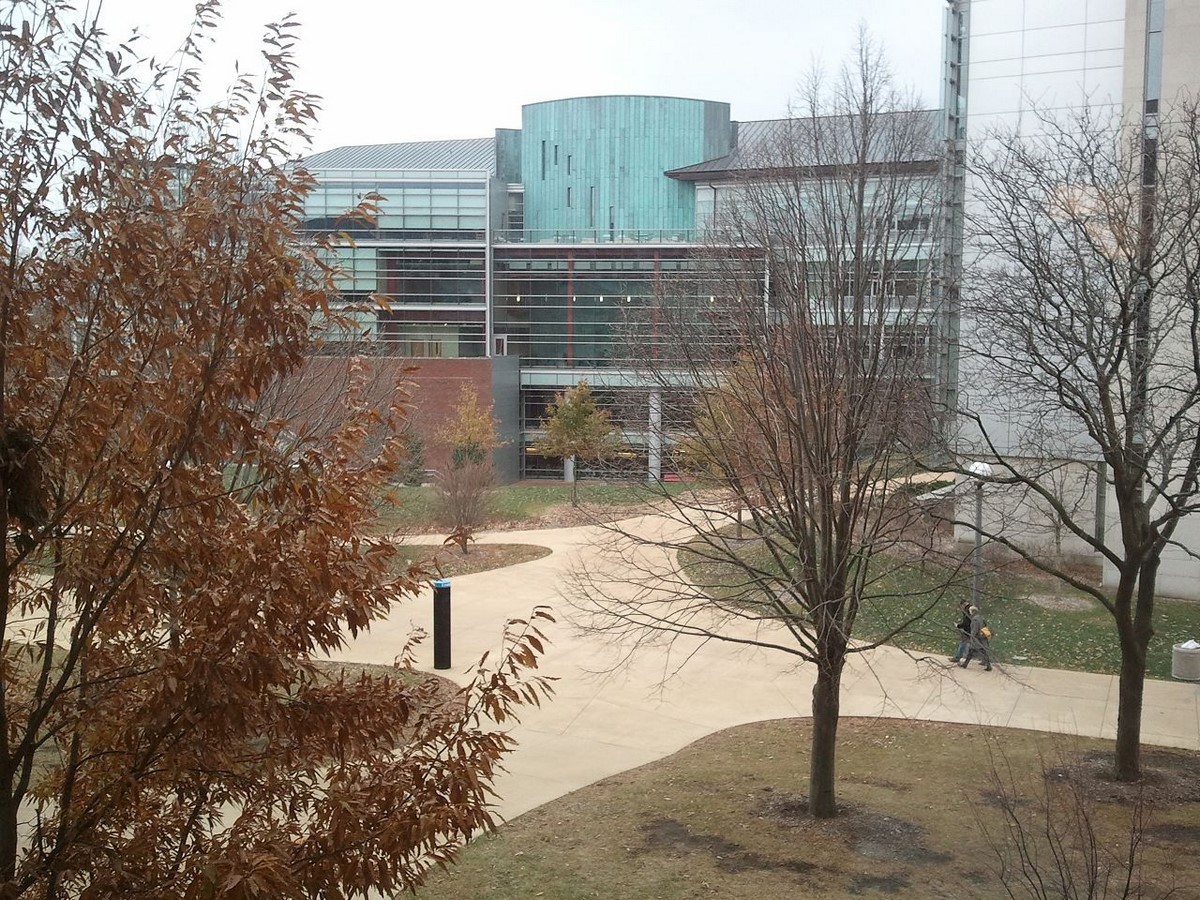
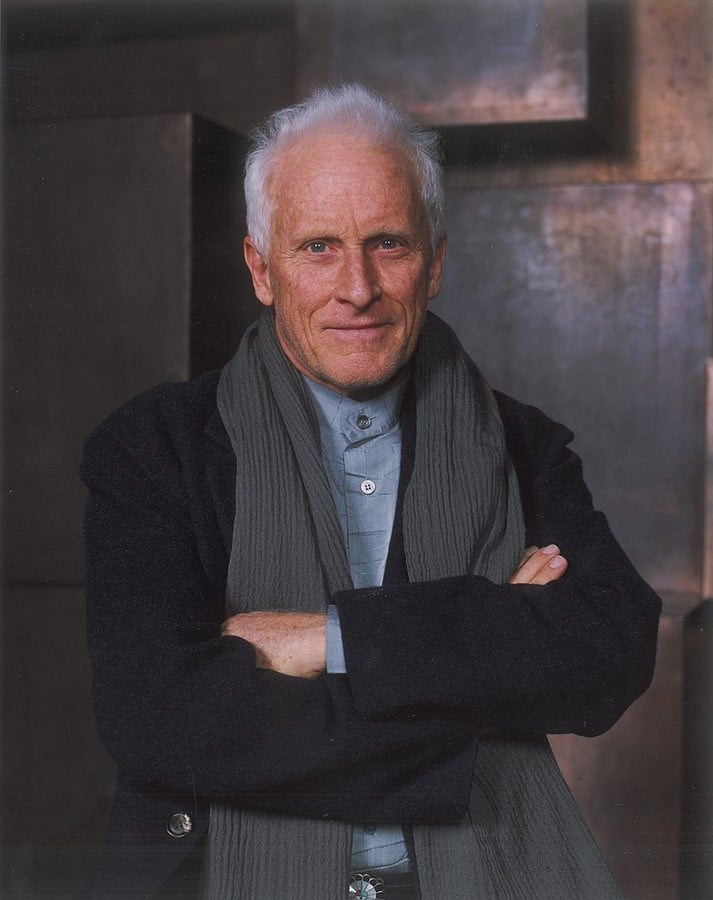
7. Antoine Predock (2006)
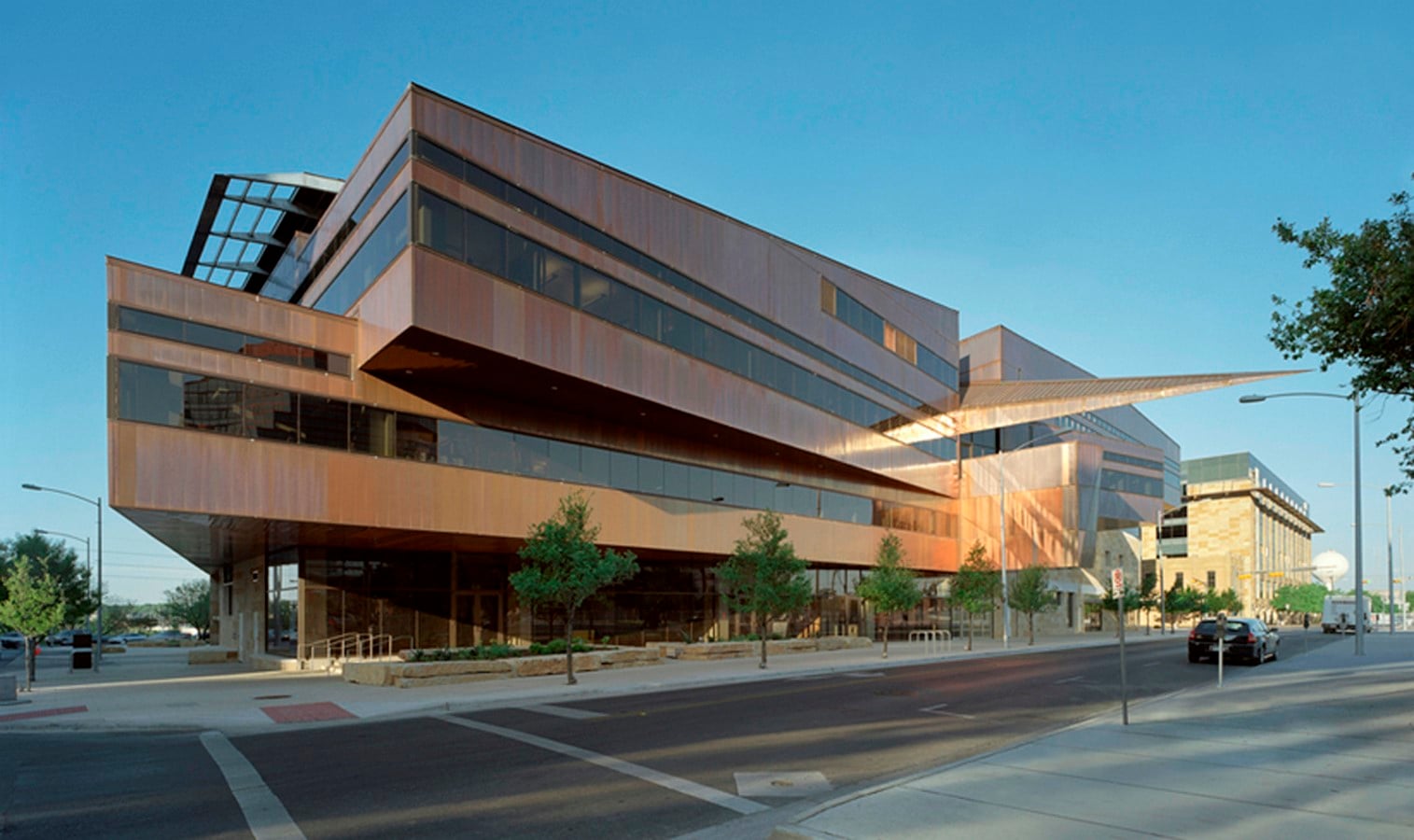
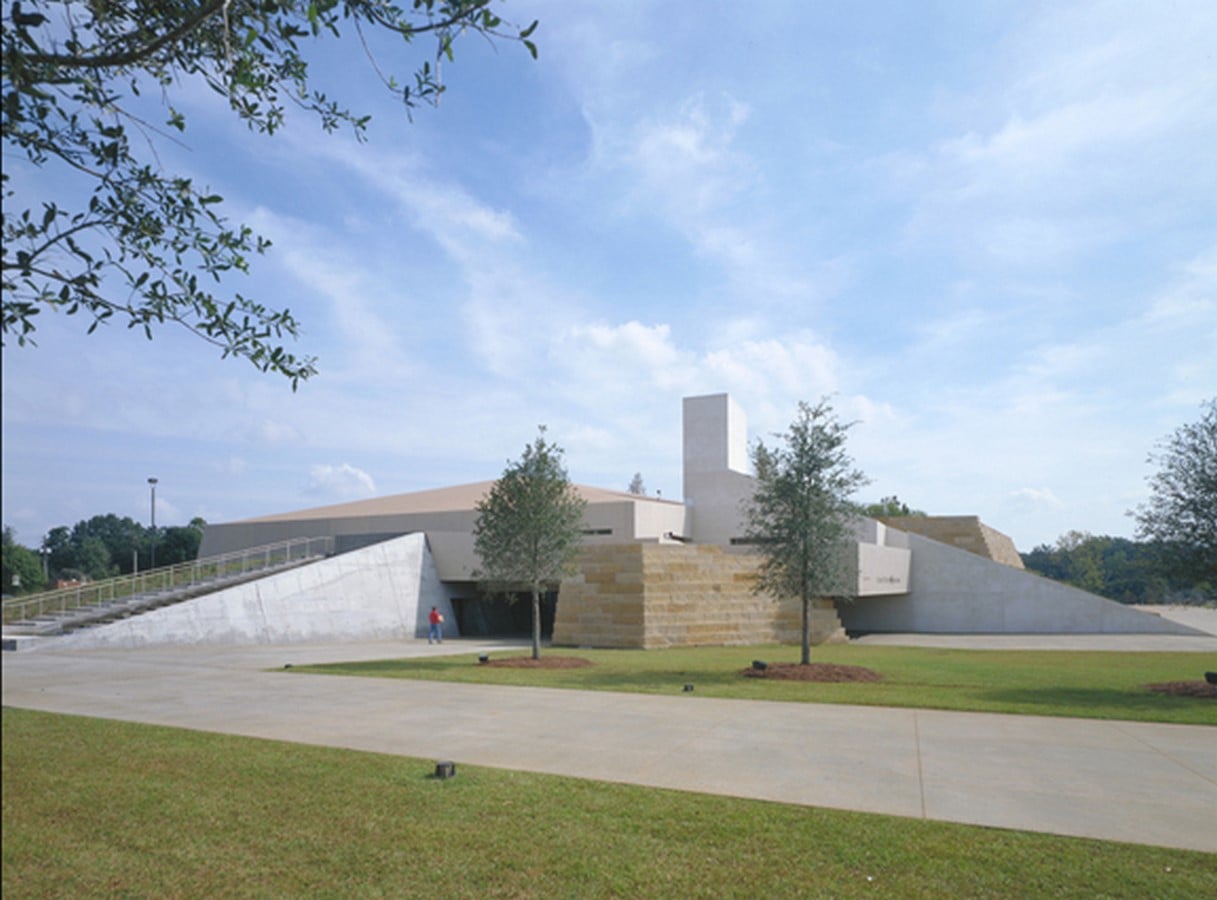
Creating buildings that generate an effect of almost emerging from the surrounding landscape, Antoine Predock says that his buildings are“like rides; they reveal both the topical and the timeless”. To him, architecture is experiential rather than linear. He believes that each place has its own unique “clues” from which the architecture can be derived. Predock’s idea of architecture being a “poetic encounter” is highly prevalent in his grounded, discerning works.
8. Santiago Calatrava (2005)
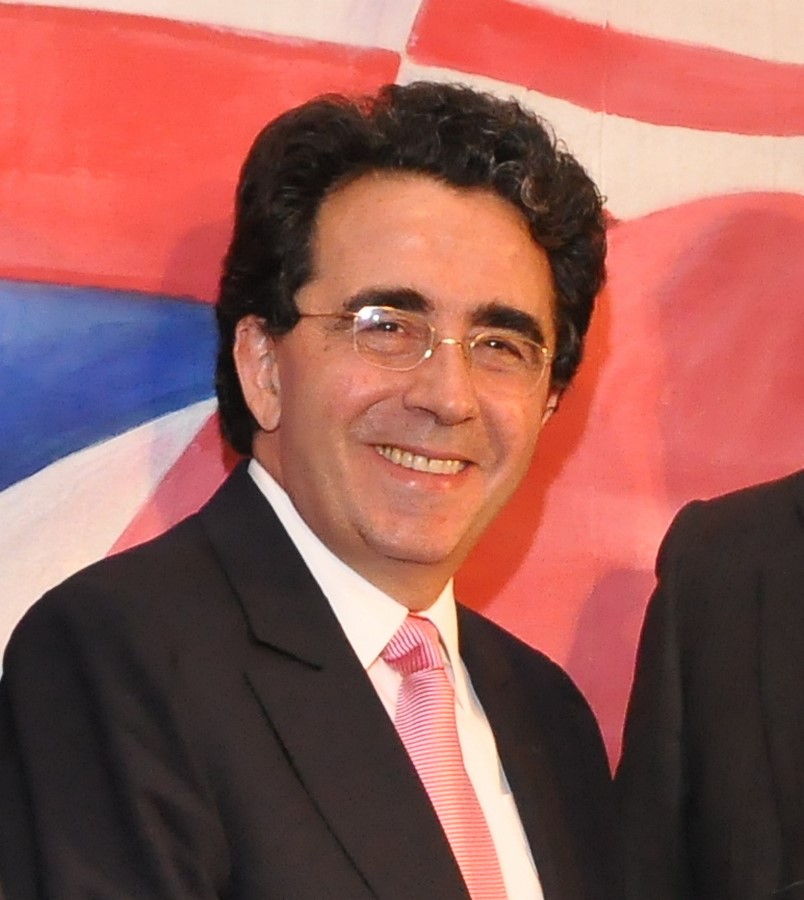
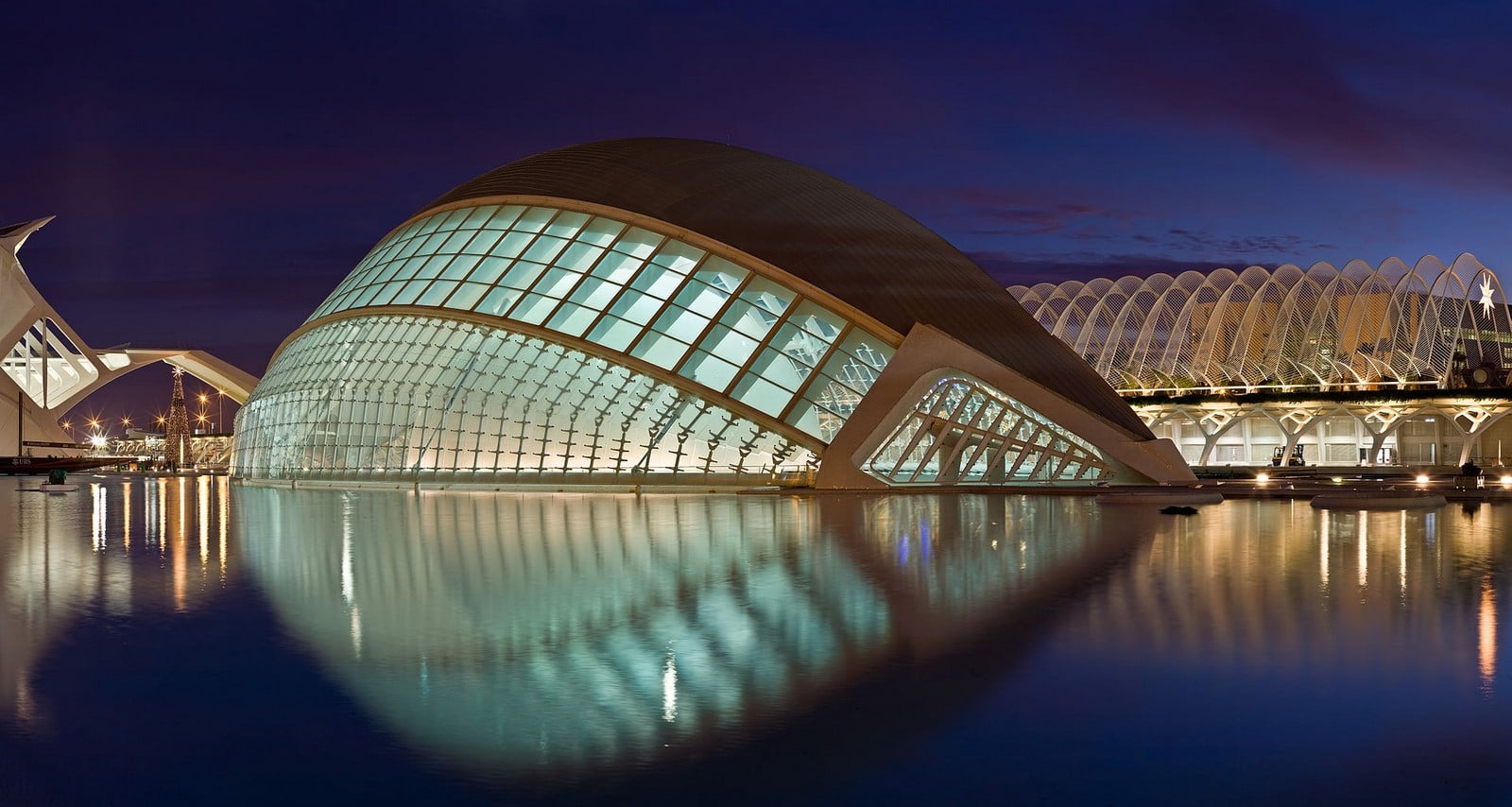
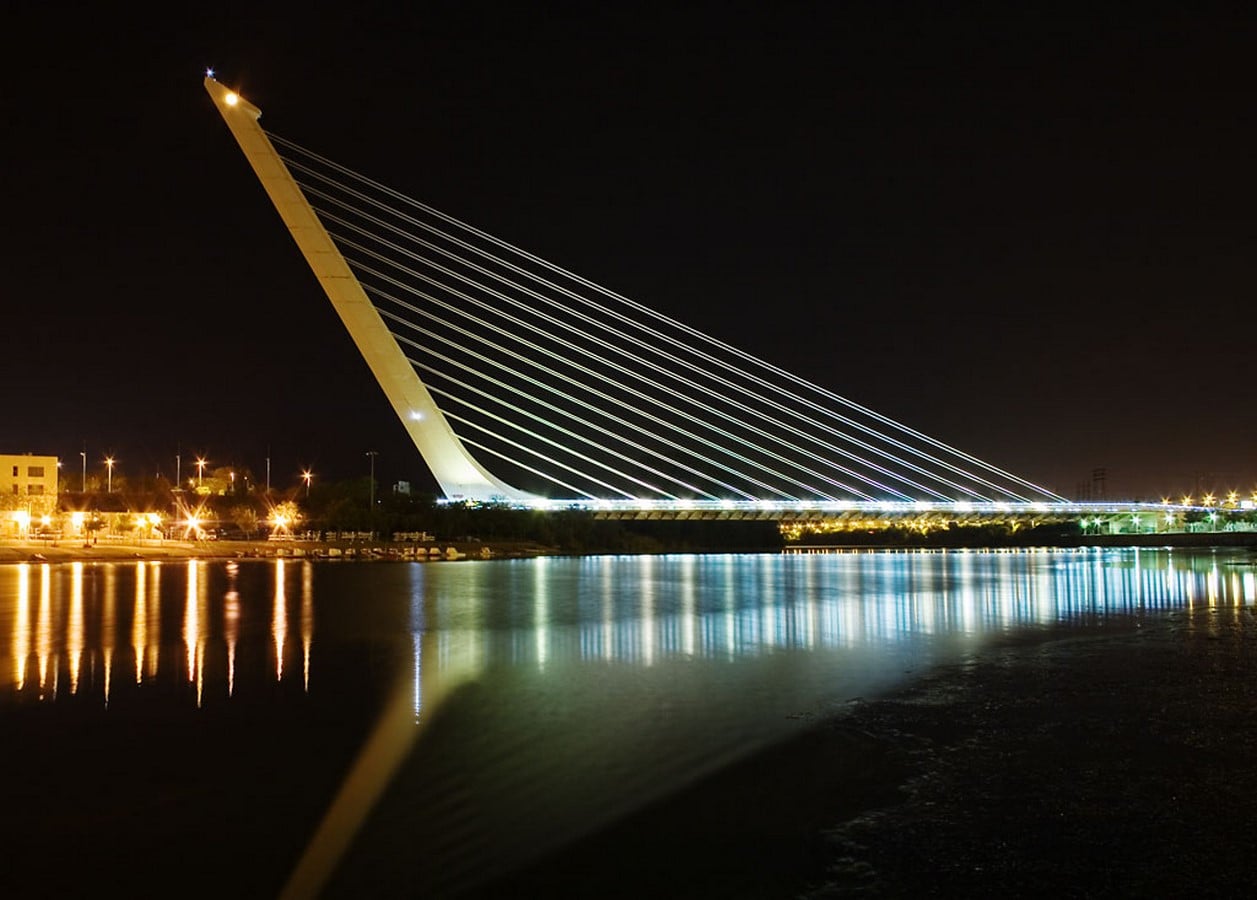
Santiago Calatrava is an architect who wears many hats. In addition to being an architect, he is also a structural engineer, sculptor, and painter. Known for buildings and bridges whose structures push the boundaries, he can merge structure and architecture into one. His works are not only structurally adept, but his way of thinking of architecture as art also makes them visually stunning, which has evolved into a style termed as “neo-futuristic.”
9. César Pelli (1995)
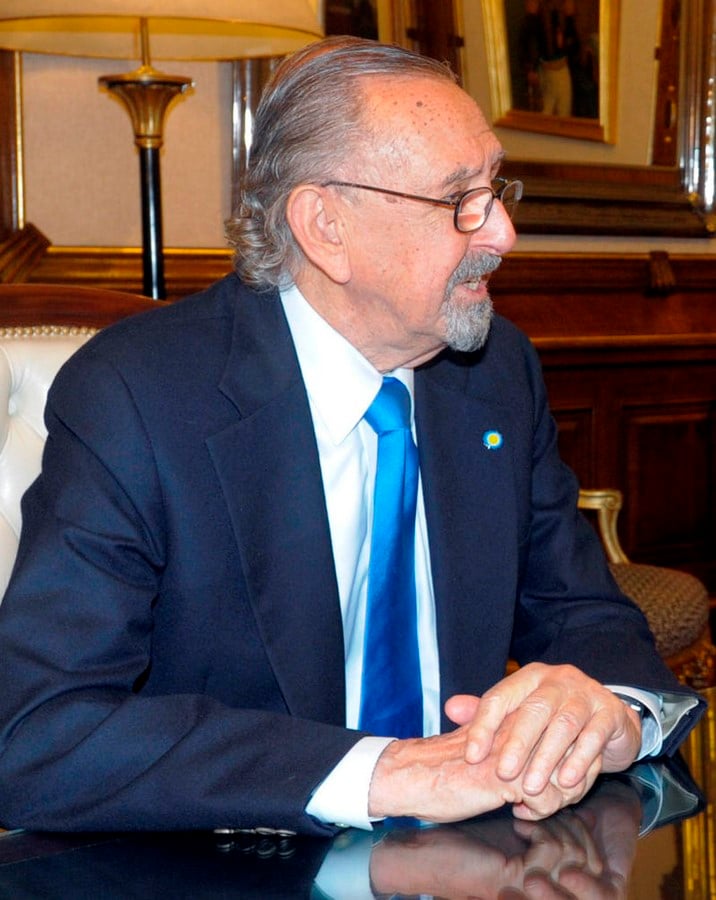
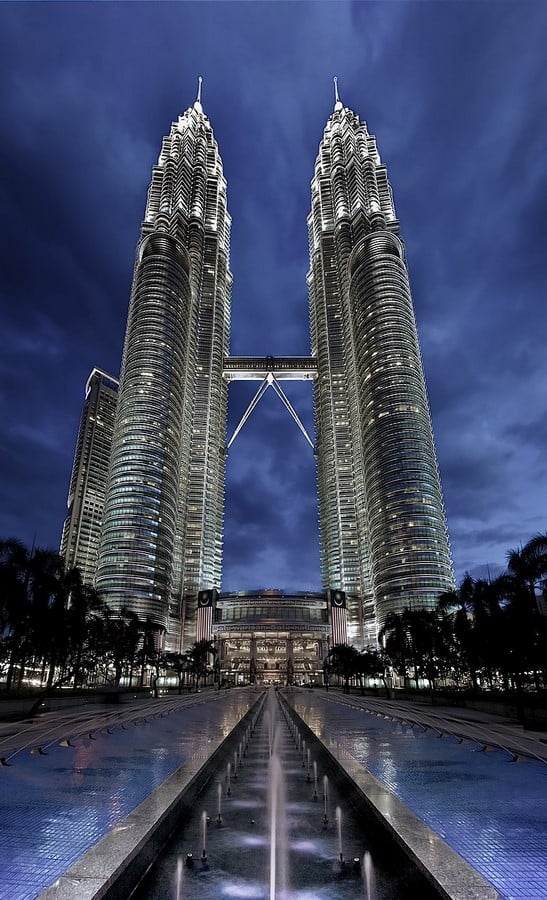
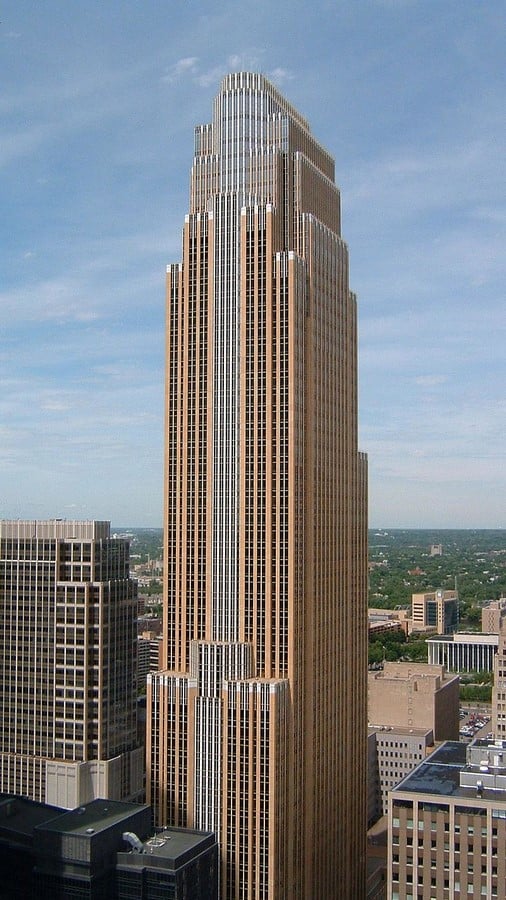
César Pelli of Pelli Clarke Pelli architects was an Argentinian-American architect who has one of the tallest buildings in the world to his name- the Petronas Twin Towers in Kuala Lumpur, Malaysia. To Pelli, each project is a “ unique condition that requires a separate act of creation.” It is formed through what Pelli stated, a “coincidence”, of the information that is available and how he happens to feel in the moment.
10. Thomas Jefferson (1993)
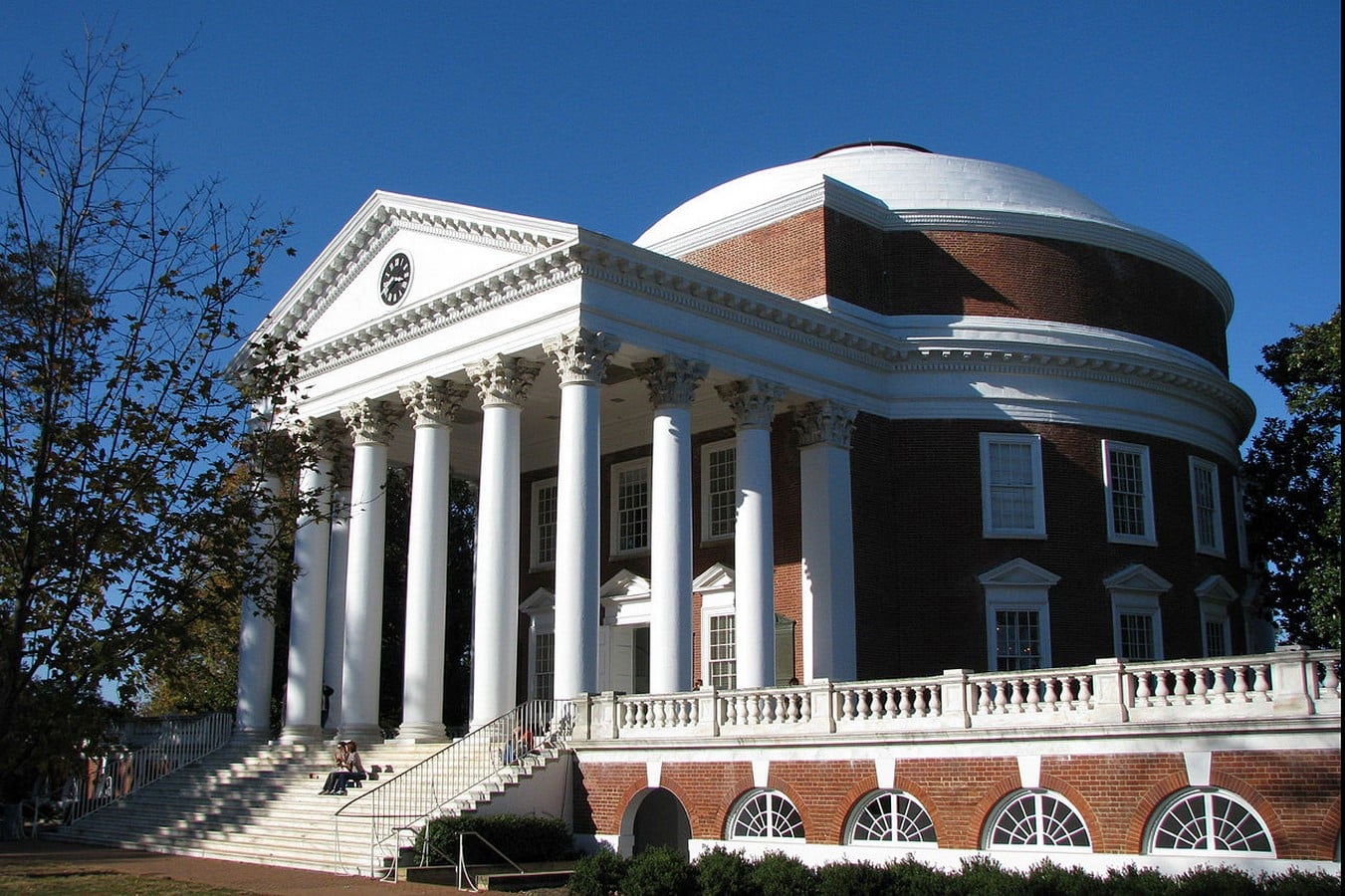
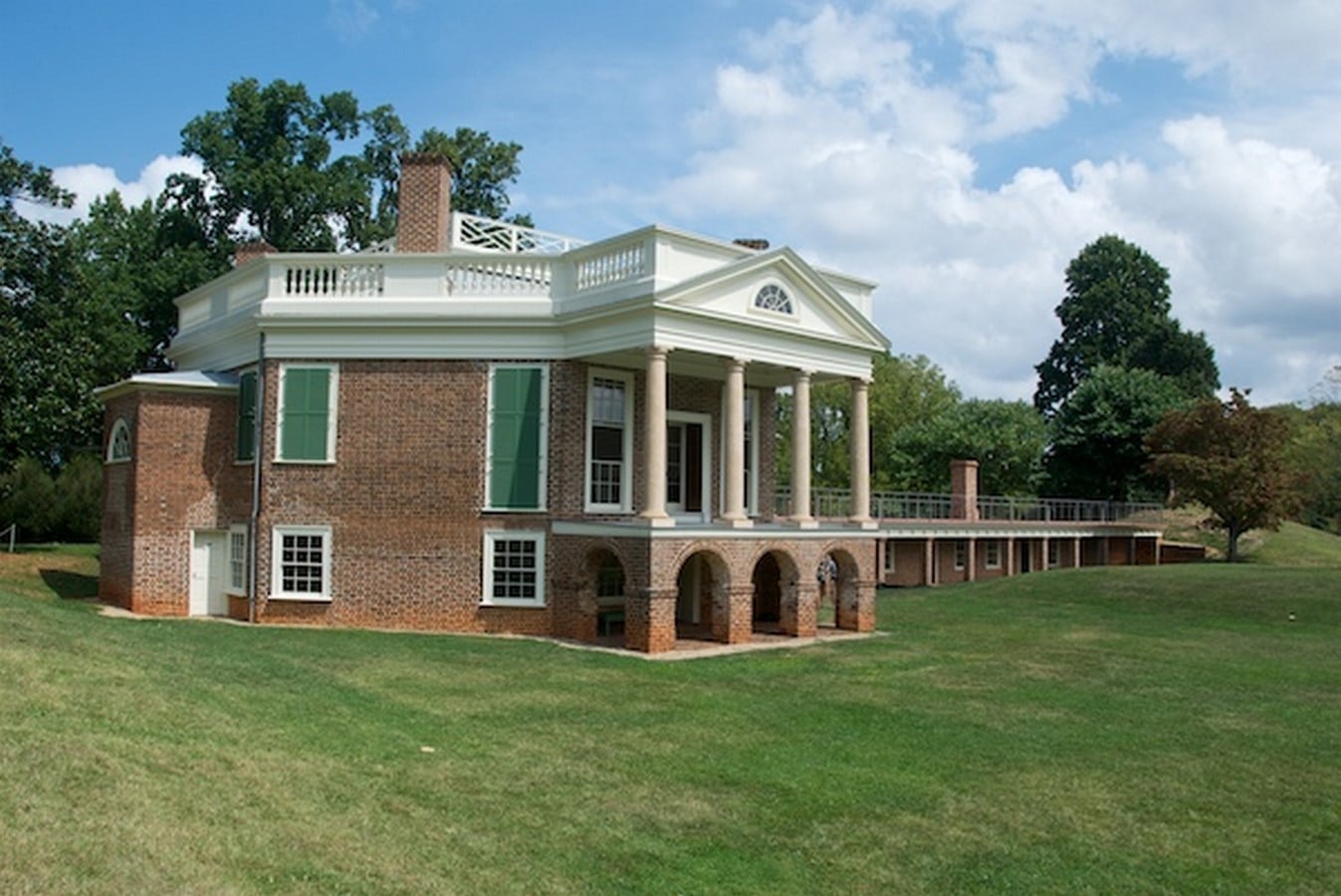
Thomas Jefferson (1743-1826), the third president of the United States of America, was also a prominent architect, among other things. He was posthumously awarded the AIA gold medal in 1993 for his contributions to the field. His style of architecture, famously known as “Jeffersonian Architecture”, was a take on classical architecture. He was a self-taught architect and was highly influenced by Andrea Palladio’s “The Four Books of Architecture”.

The AIA Gold Medal in 2026: Shigeru Ban
Announced in December 2025, the 2026 Gold Medal honours Shigeru Ban — the Japanese architect and 2014 Pritzker laureate whose recyclable paper-tube structures have sheltered communities after disasters from Kobe to Haiti through his Voluntary Architects’ Network, alongside celebrated permanent works such as the Centre Pompidou-Metz and the Cardboard Cathedral in Christchurch. The choice underlines a decade-long shift in the medal’s emphasis toward architecture’s social and environmental responsibilities, from climate advocate Edward Mazria (2021) to affordable-housing champions Angela Brooks and Lawrence Scarpa (2022).
Frequently Asked Questions About the AIA Gold Medal
What is the AIA Gold Medal?
The American Institute of Architects’ highest honour, first awarded in 1907 to the British architect Sir Aston Webb. It recognises an individual or pair whose work has had a lasting influence on architecture, and it is awarded by the AIA board and Strategic Council — not for a single building, but for a career.
Who won the 2026 AIA Gold Medal?
Shigeru Ban, announced in December 2025 — recognised for pairing award-winning buildings with humanitarian disaster-relief architecture in paper and timber. He joins countryman Fumihiko Maki (2011) among Japanese laureates.
Which famous architects have won the AIA Gold Medal?
Frank Lloyd Wright (1949), Le Corbusier (1961), Louis Kahn (1971), Kenzo Tange (1966), I. M. Pei (1979), Frank Gehry (1999), Santiago Calatrava (2005) and Richard Rogers (2019), among many others — and, remarkably, Thomas Jefferson, honoured posthumously in 1993.
Who was the first woman to win the AIA Gold Medal?
Julia Morgan, awarded posthumously in 2014 — more than half a century after her death. Denise Scott Brown shared the 2016 medal with Robert Venturi, and Carol Ross Barney (2023) and Deborah Berke (2025) have since won in their own right.
Can non-American architects win the AIA Gold Medal?
Yes — the medal is international: winners include Sir Aston Webb (UK), Kenzo Tange and Fumihiko Maki (Japan), Santiago Calatrava (Spain) and Richard Rogers (UK). See our profiles of Kenzo Tange, the 1966 laureate, and Frank Lloyd Wright, the 1949 laureate.
Sources for the 2026 update
The American Institute of Architects, “2026 AIA Gold Medal Award Winner: Shigeru Ban, Hon. FAIA”. Dezeen, “Shigeru Ban wins 2026 AIA Gold Medal” (5 December 2025). The American Institute of Architects, “2025 AIA Gold Medal Award Winner: Deborah Berke, FAIA”.