Flanked by the two volcanic regions, Mount Vesuvius and Campi Flegrei, the city of Naples is the largest city in Italy after Rome and Milan. It is located on the western coast of southern Italy with a history that dates back to almost 2800 years.
The city with its extensive and layered history is full of historic buildings, churches, and piazzas. Also known for its magnificent cuisine, Naples is the birthplace of the original wood-fired Neapolitan pizza. With its buzzing art scene and many places of historical and cultural values, Naples is an ideal destination for architects to explore. Below are 15 such marvelous places to visit when in the city of Naples –
1. Piazza del Plebiscito, Naples
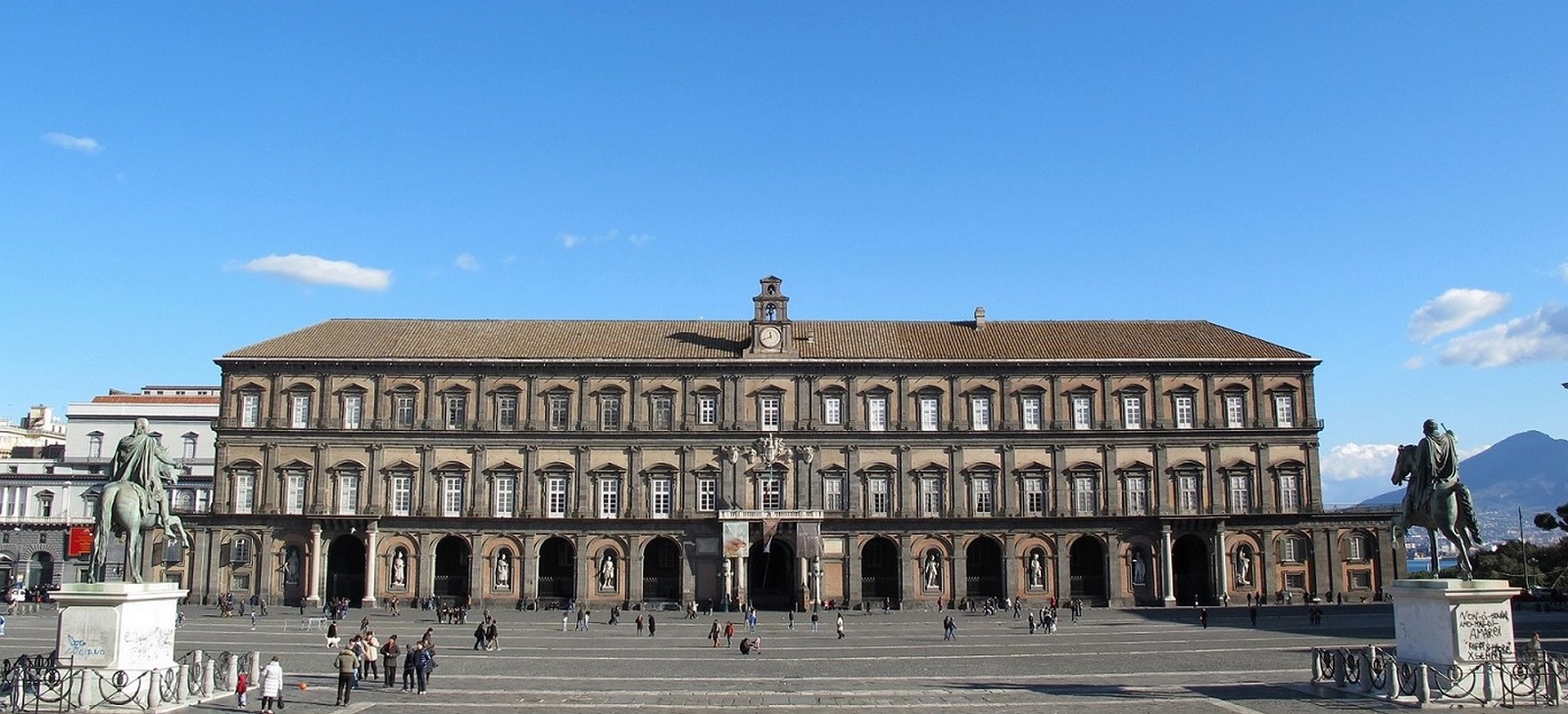
This grand piazza is the city’s main public square and is bordered at one end by the Royal Palace and the other by Basilica of San Francesco di Paola with its series of colonnades. Inspired by the Pantheon in Rome, the Basilica is placed at the center of the colonnade of Piazza del Plebiscito. Occasionally, the square is also known to have hosted open-air concerts with performances by Italian and international stars.
-
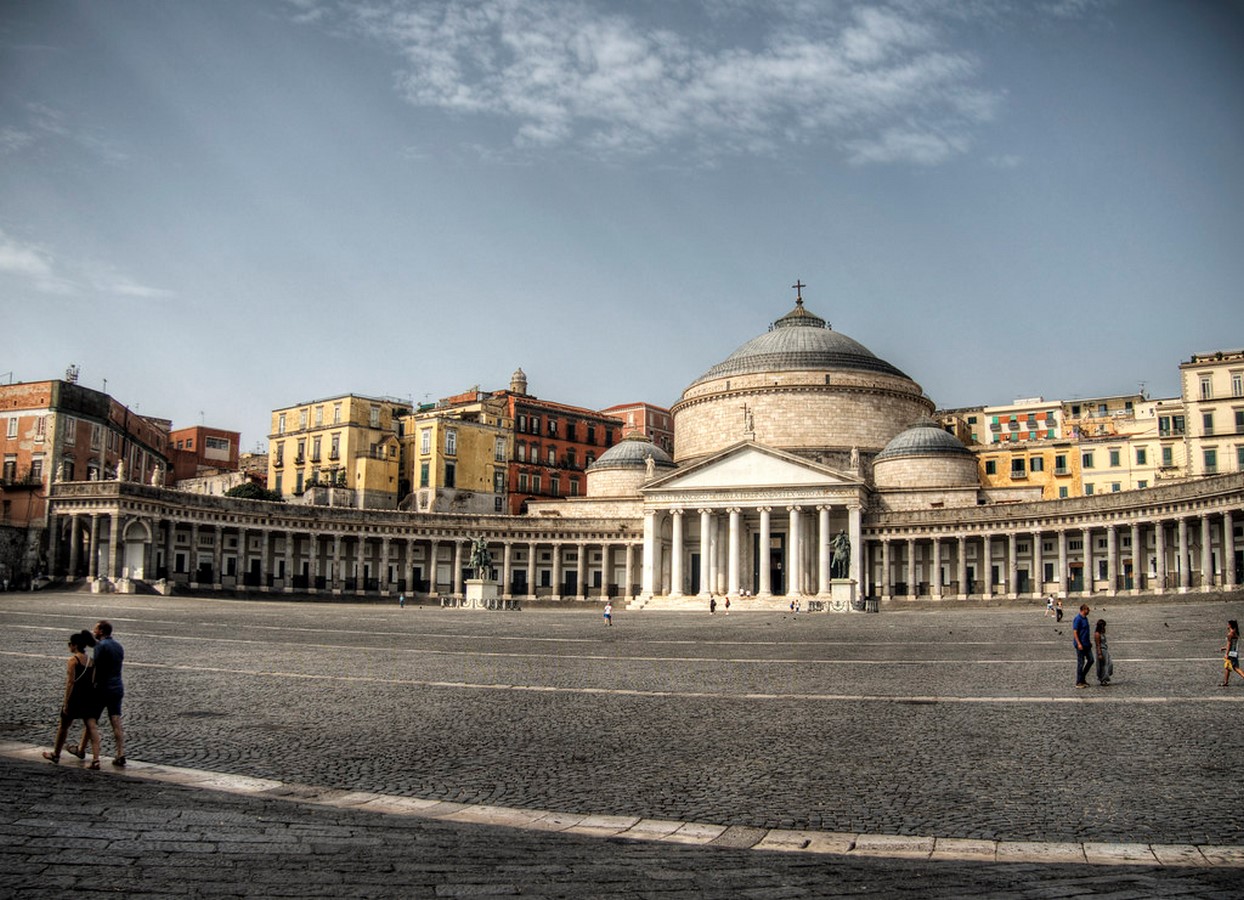
Piazza del Plebiscito ©Flickr 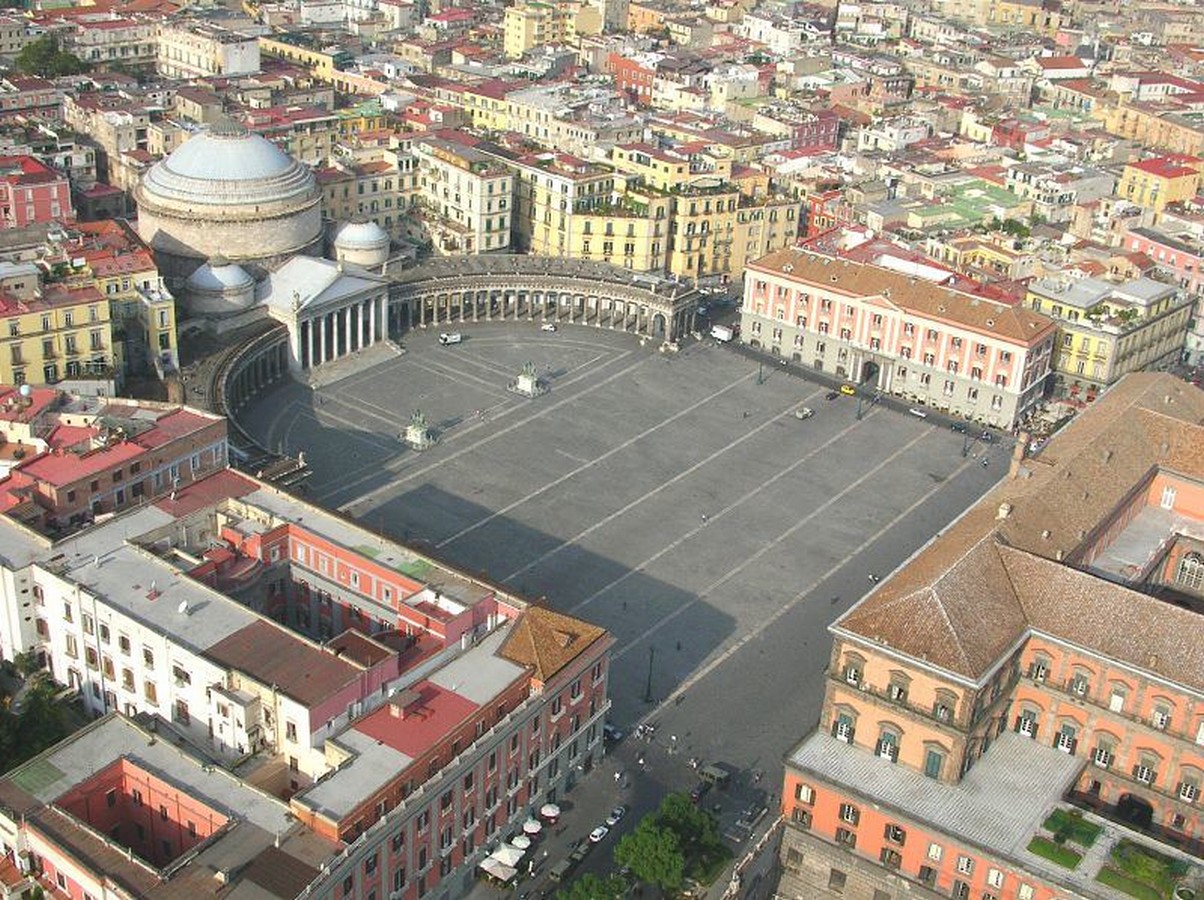
Piazza del Plebiscito ©Flickr 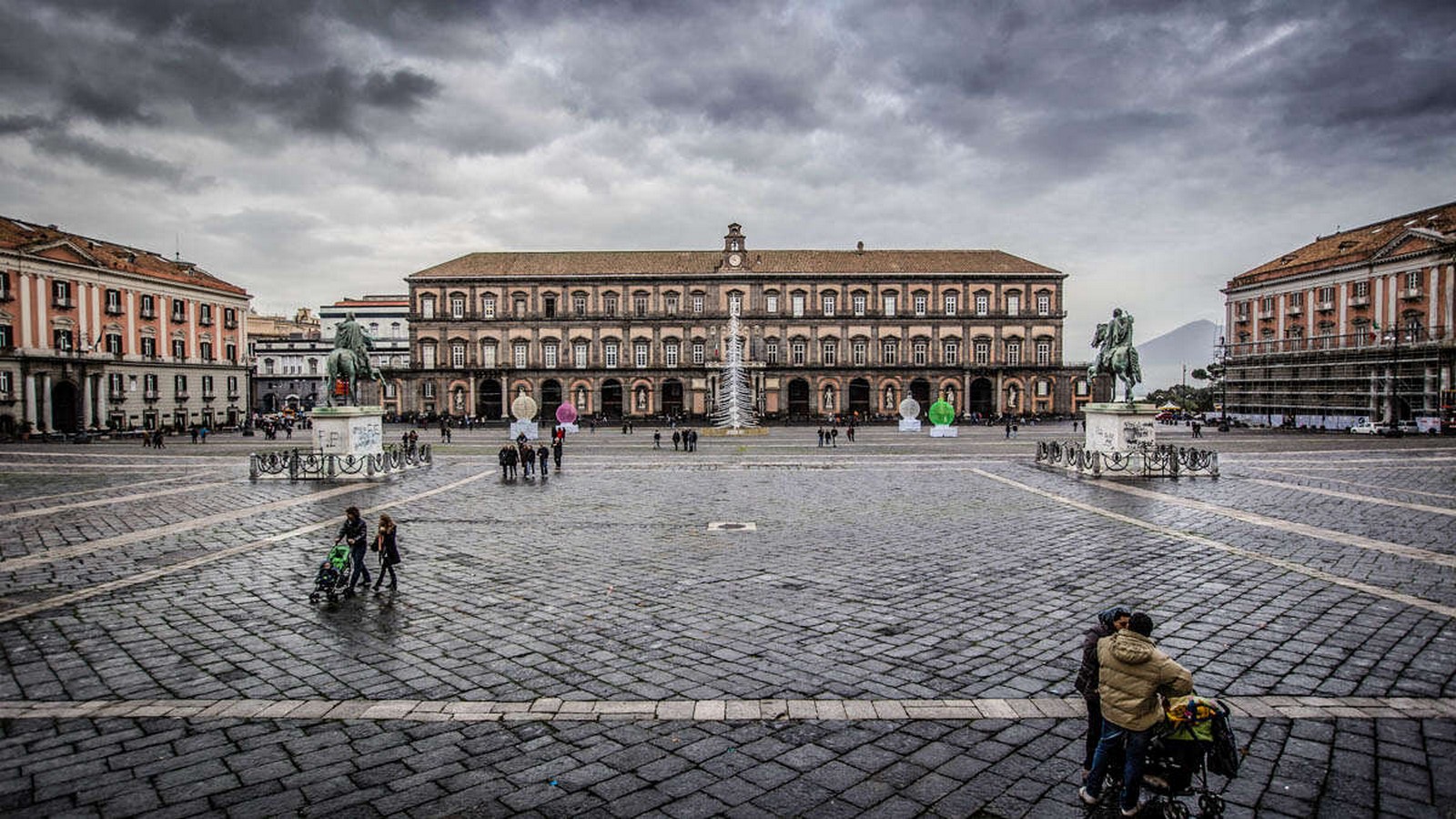
Piazza del Plebiscito ©reidsitaly
2. National Archaeological Museum
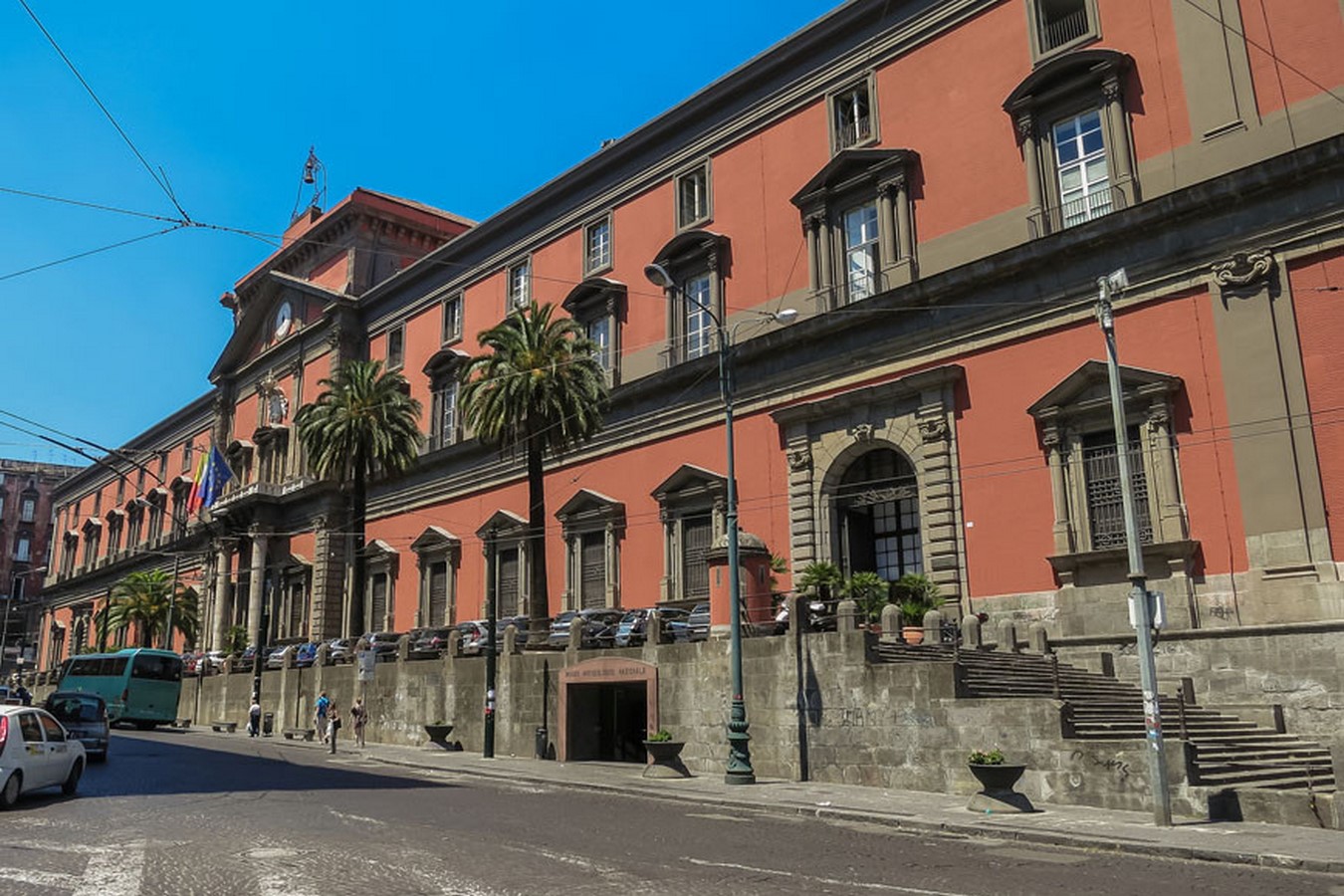
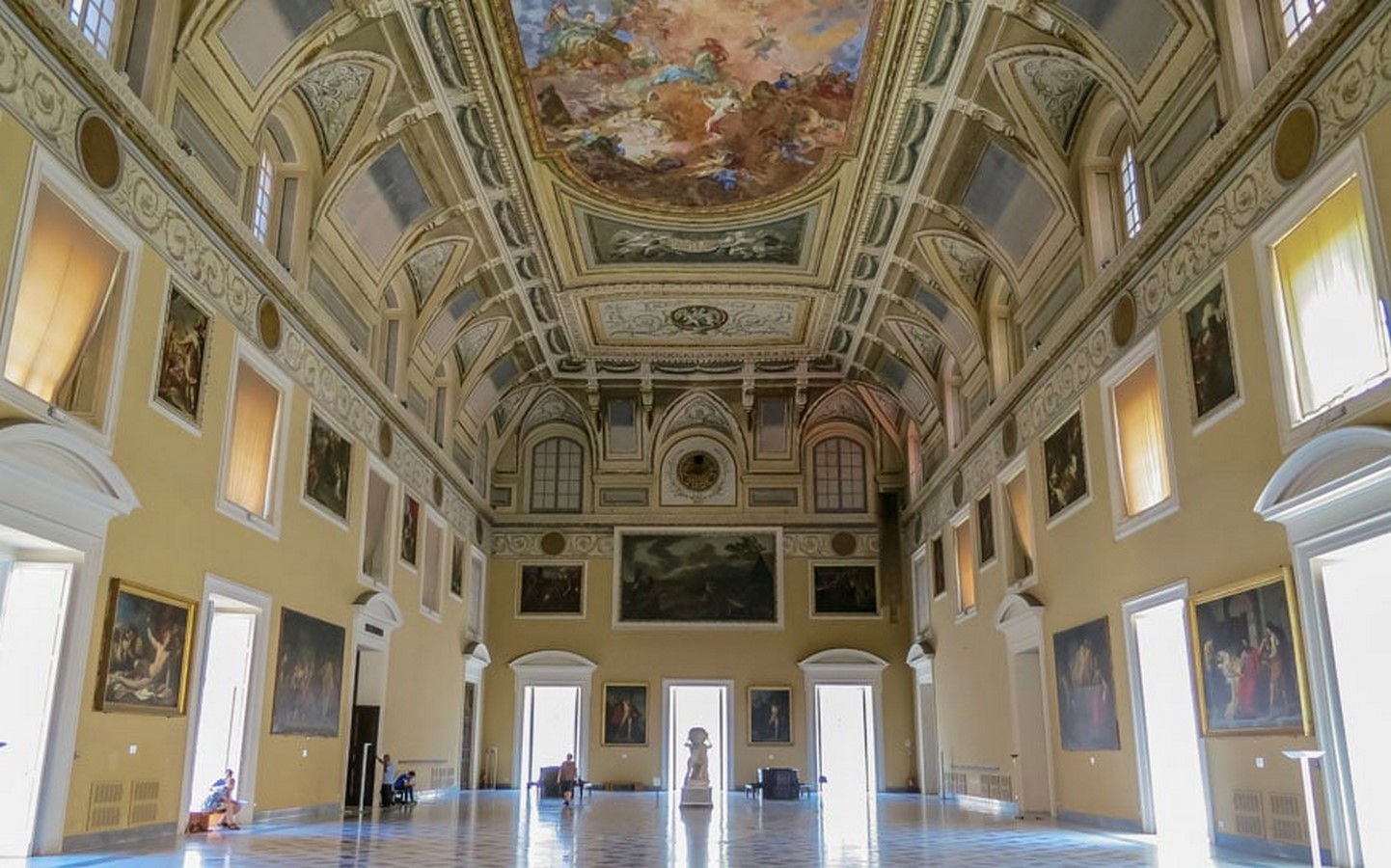
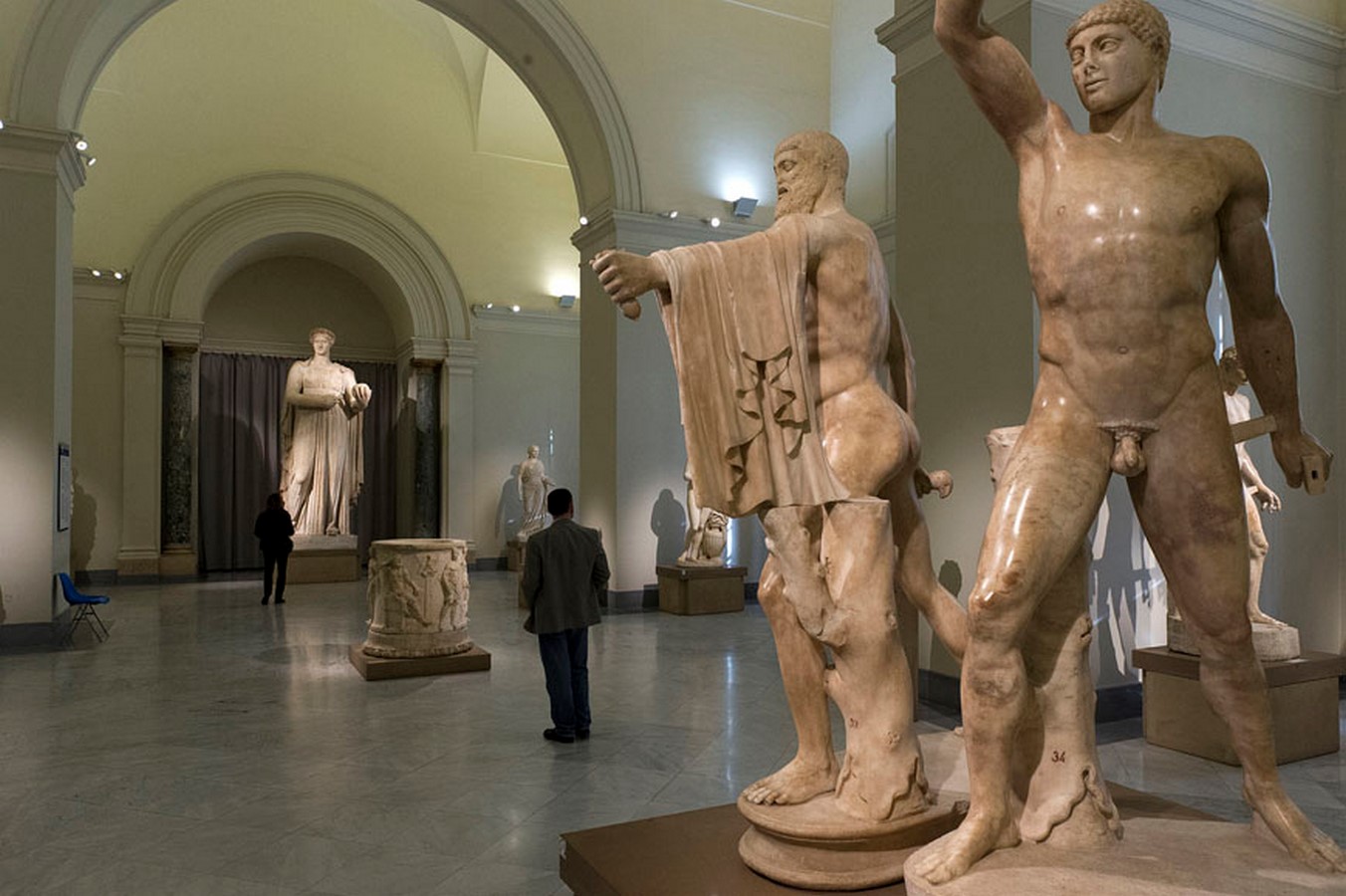
For lovers of antiques and artifacts, the museum has a rich and unique archaeological collection to offer. The beautiful and ornate palace was built at the end of the 16th century as a royal cavalry barracks and was later converted into a museum. It houses a magnificent collection of Roman and Greek sculptures, ruins of Pompeii, Egyptian art, intricate mosaics, and erotic frescoes.
3. Mount Vesuvius Hike, Naples
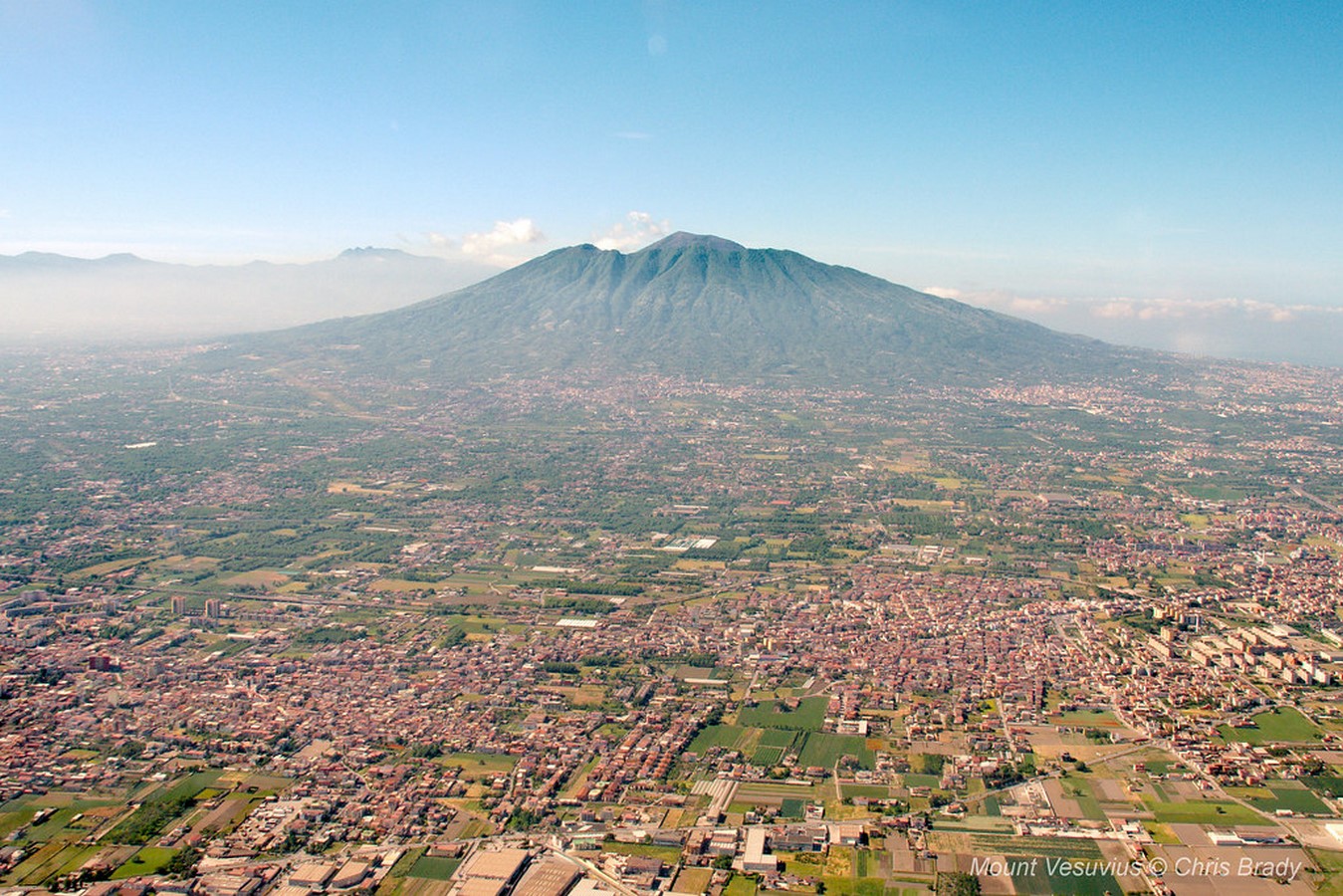
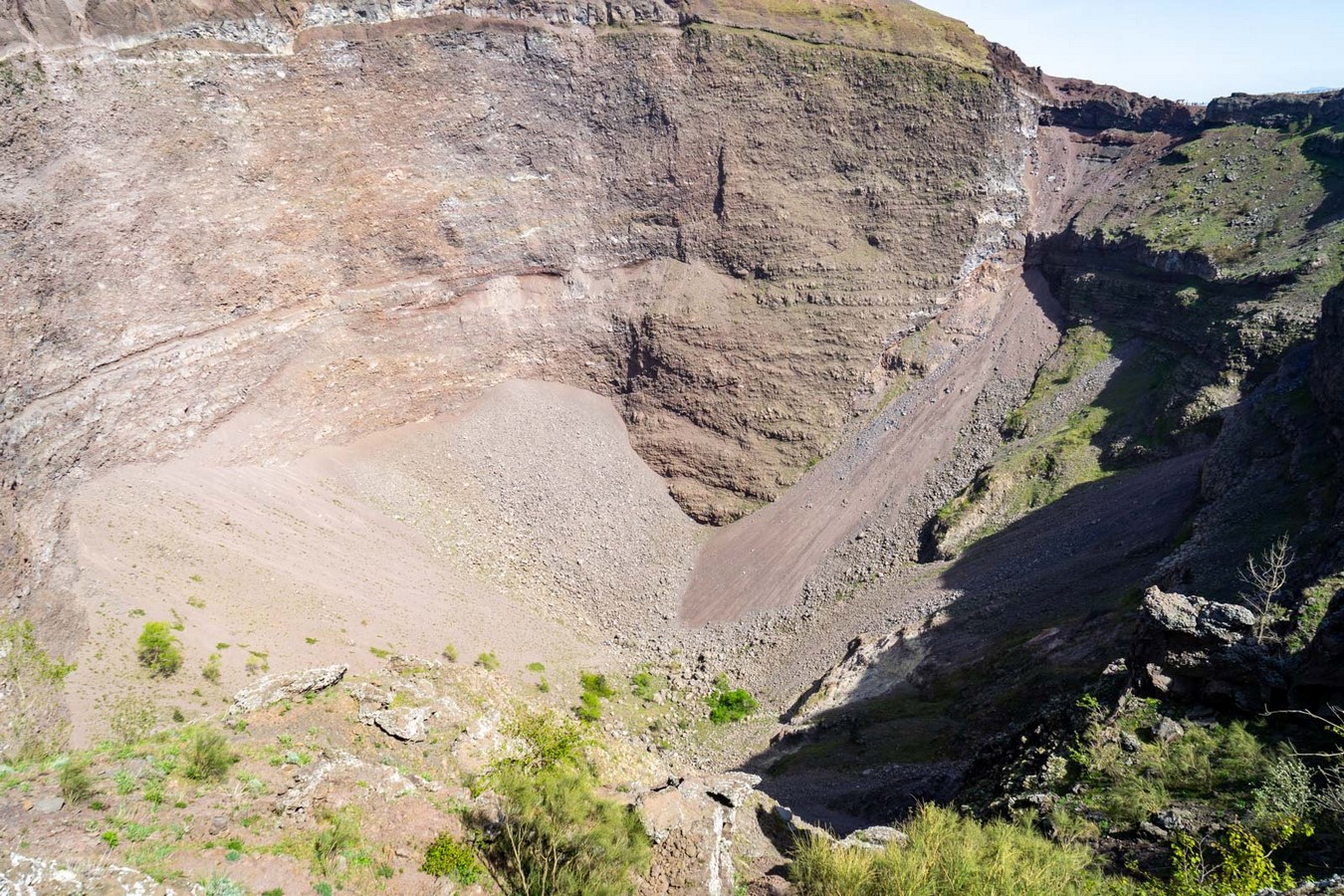
The only active volcano in mainland Europe, Mount Vesuvius dominates the skyline of the bay and city of Naples. It is famously known for its 79 A.D. eruption that destroyed the Roman cities of Pompeii and Herculaneum. The volcano is just 6 miles away from the city and is a very popular tourist attraction. A hike to the top will surely be an adventurous and worthwhile experience.

4. San Carlo Theatre, Naples
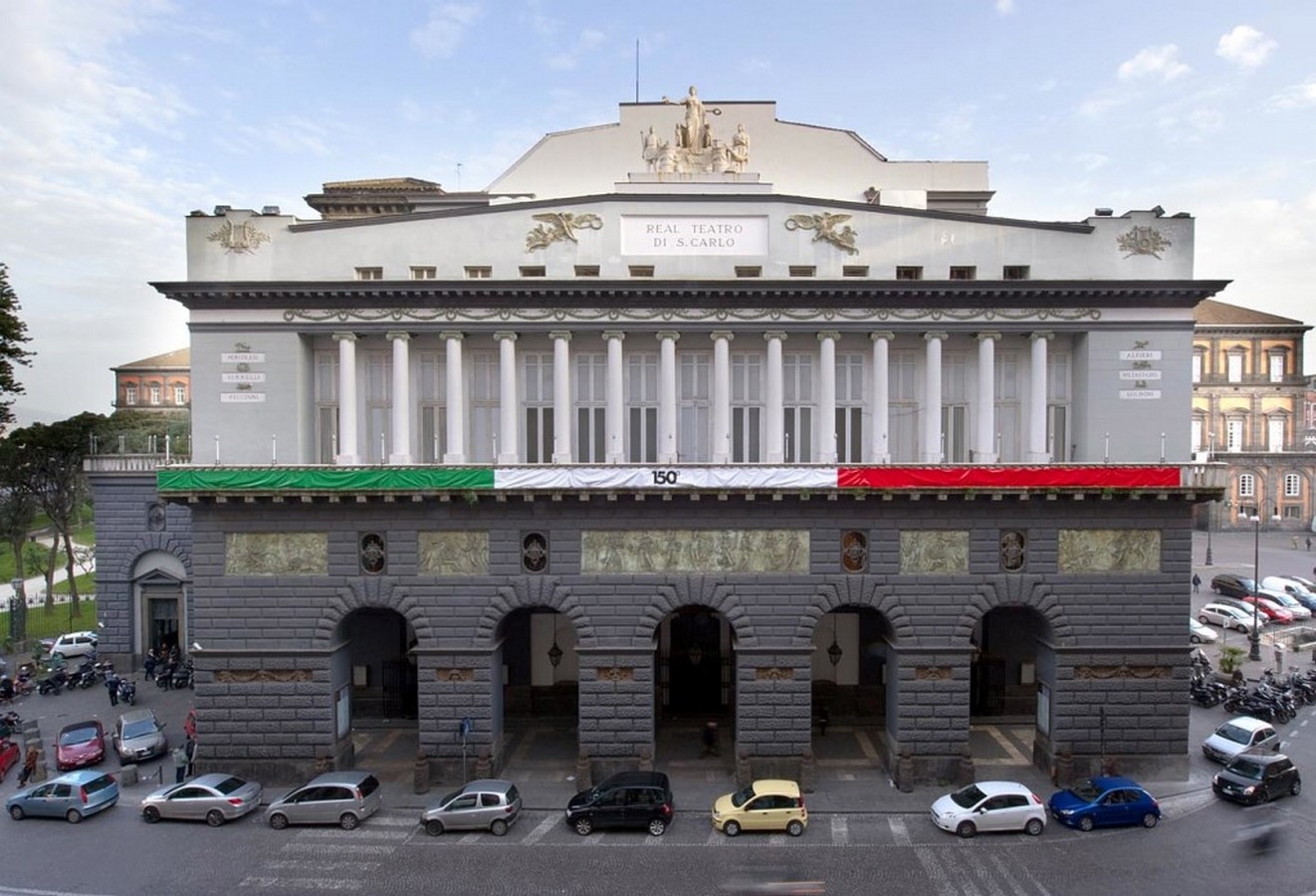
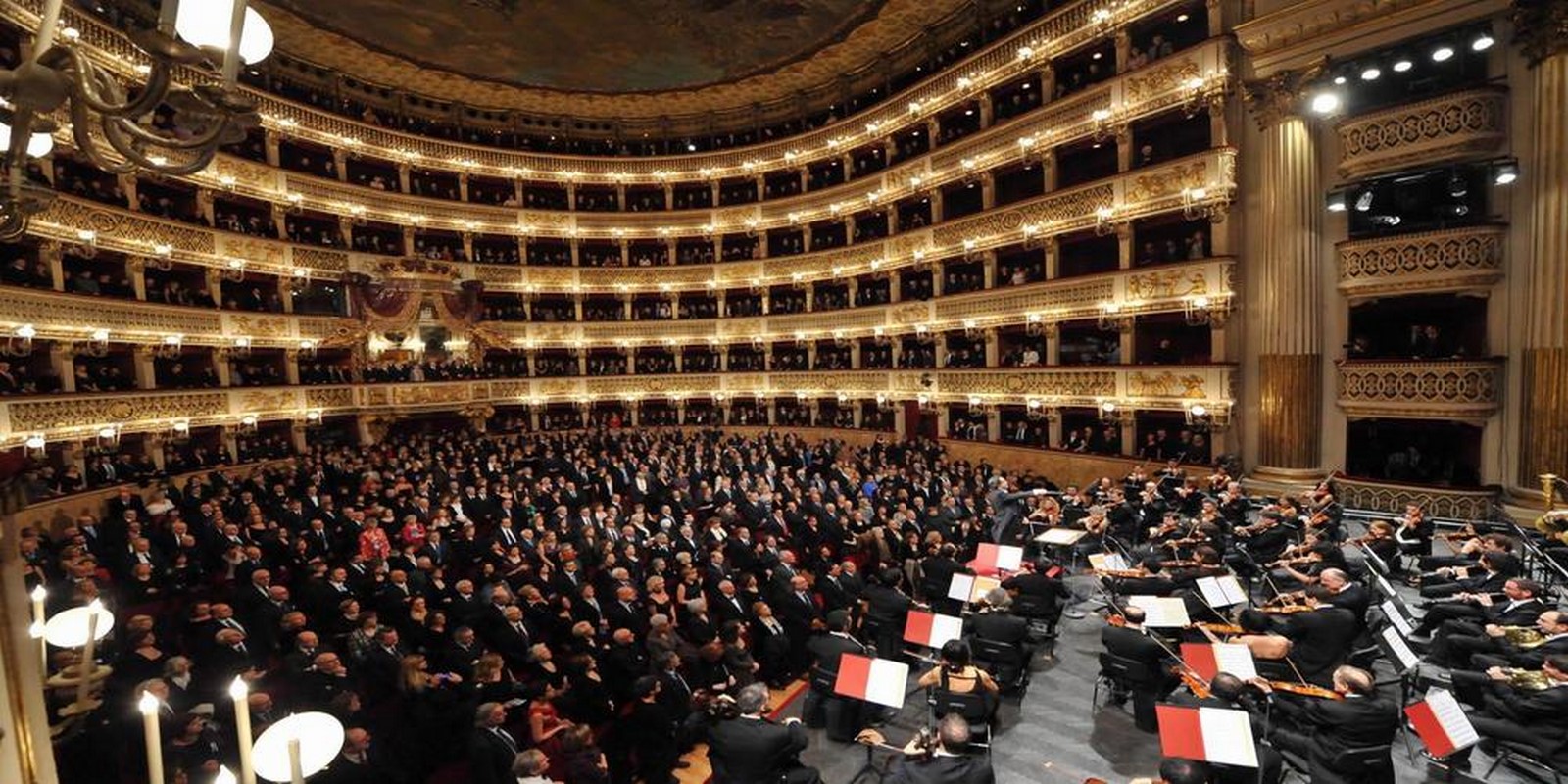
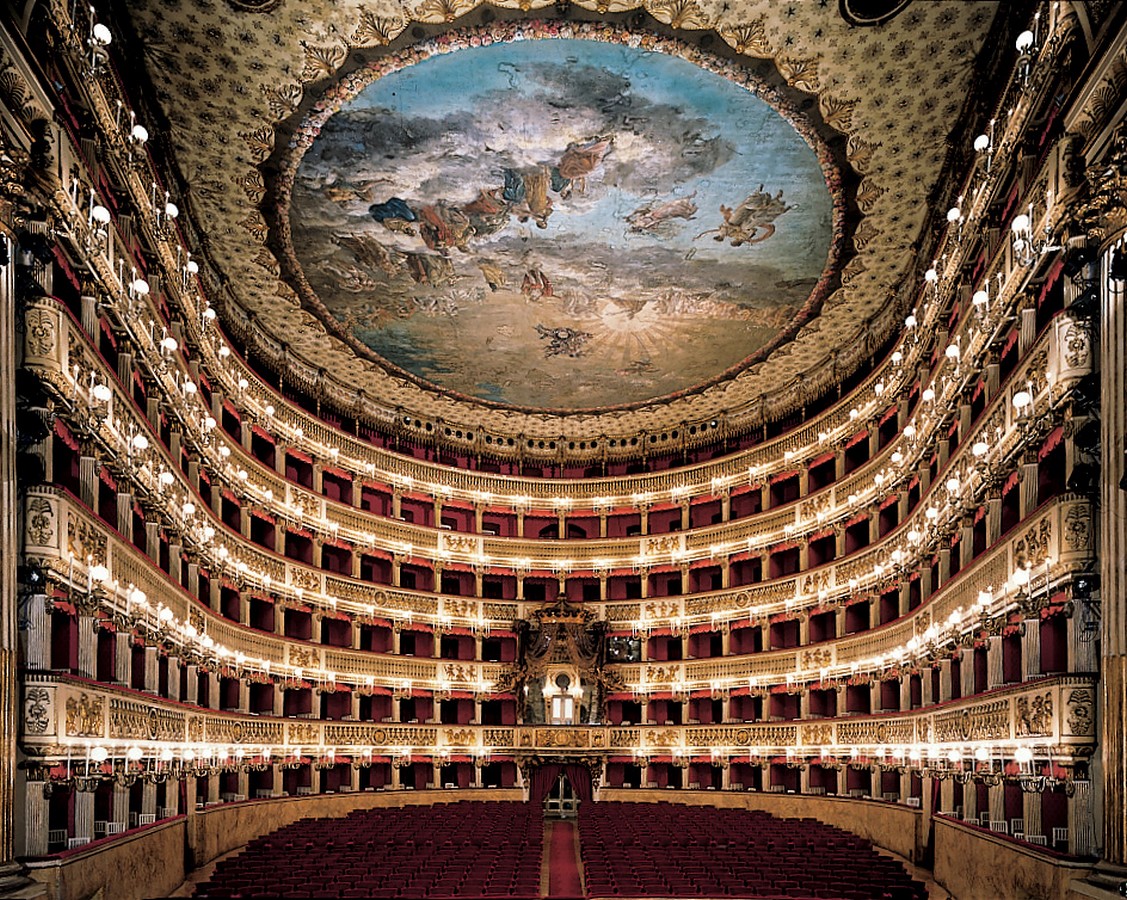
Opera is one of Europe’s most important and long-standing artistic traditions. Built-in 1737, the San Carlo Theatre is one of the finest and oldest Opera houses in the world. The theatre has a horseshoe-shaped interior with seats arranged in six tiers of 184 boxes each, plus a large royal box placed in the center. It has a total capacity of 1379 seats excluding the standing-room crowd.
5. Ruins of Pompeii, Naples
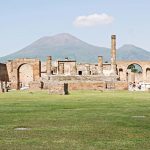
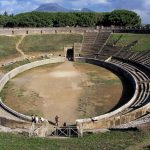
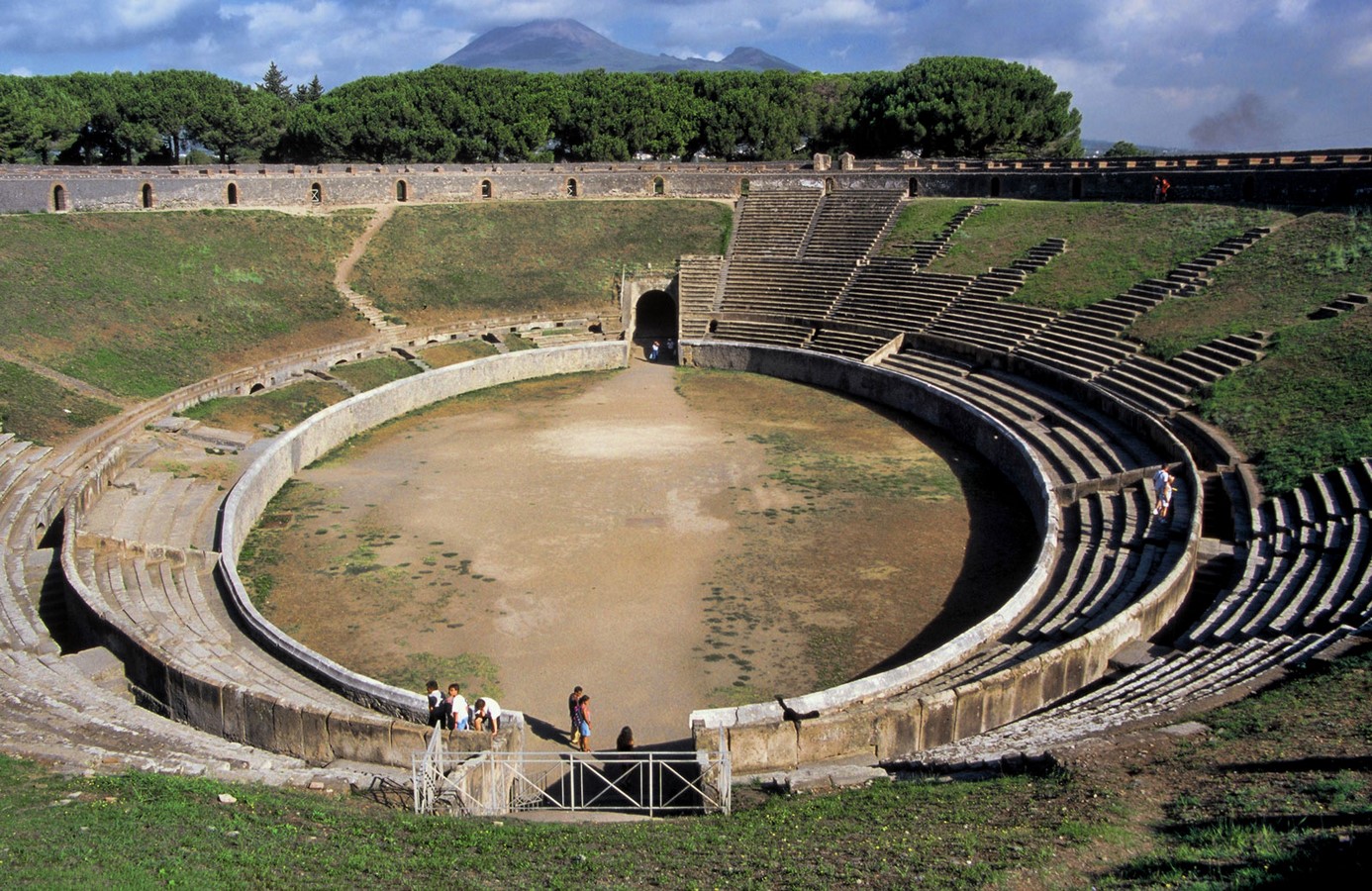
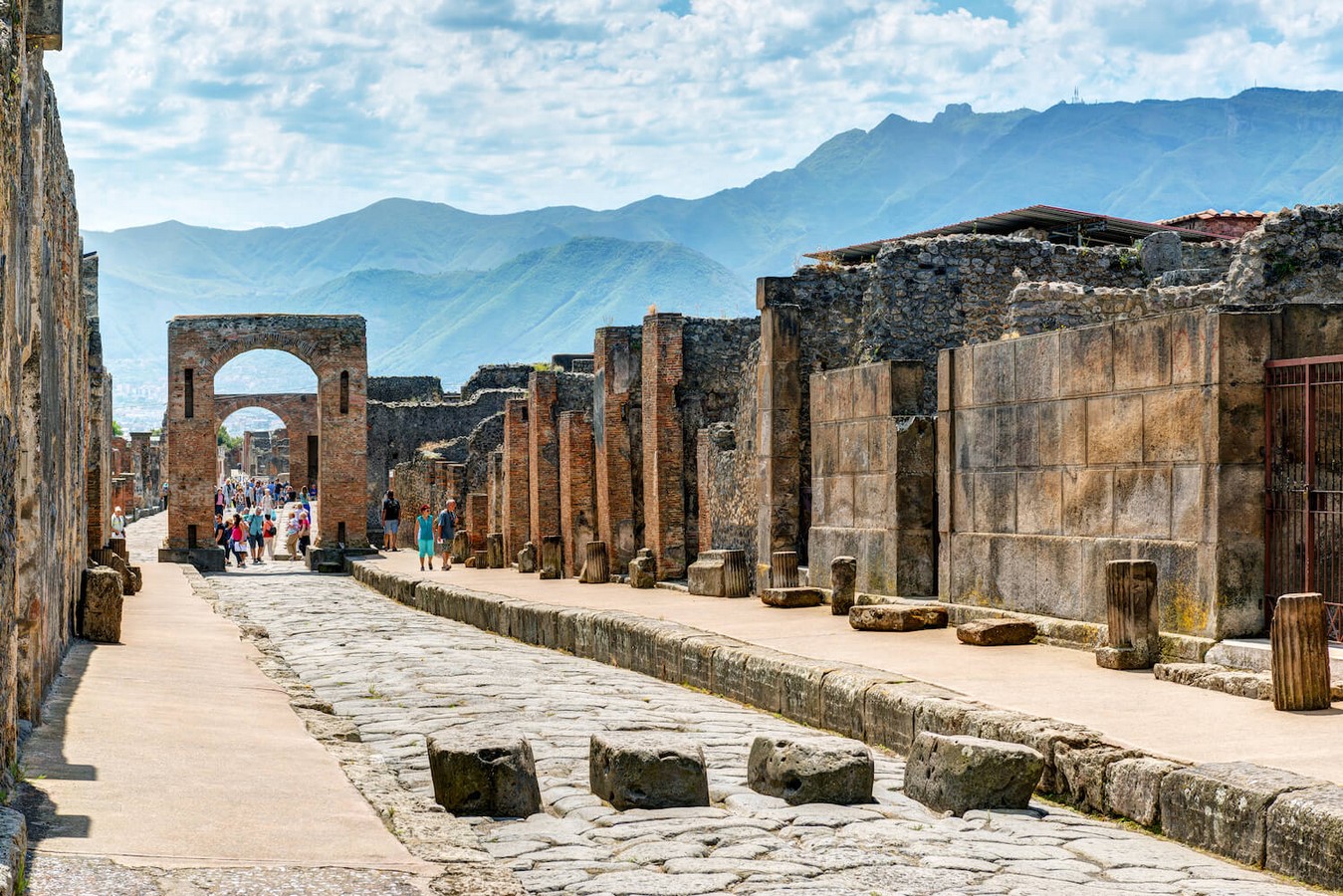
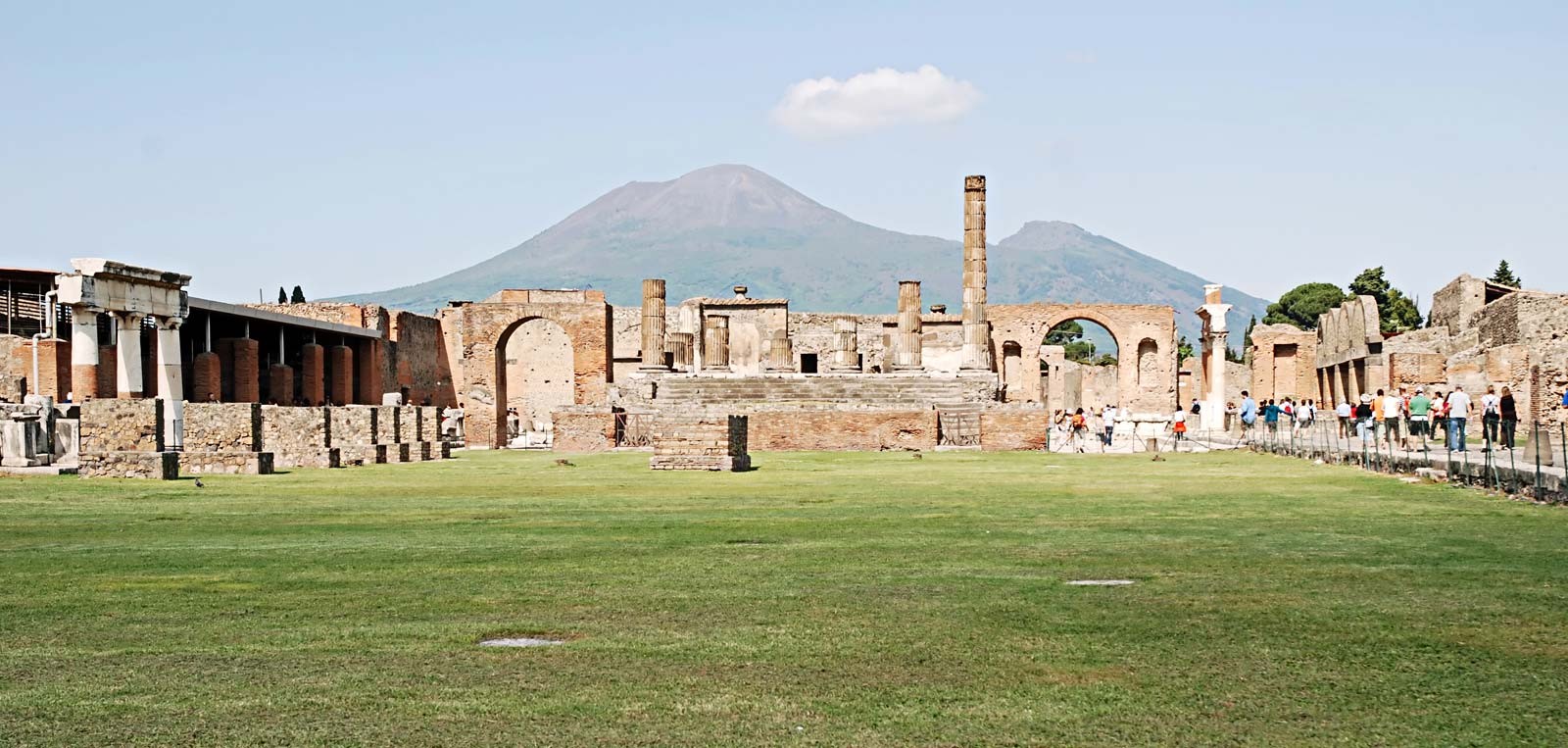
The ancient city of Pompeii was buried under ash and pumice with Mount Vesuvius’ historic eruption in the year 79 A.D. Despite the devastation, the highly advanced and sophisticated settlement of Pompeii remains mostly intact to date. While walking through the ruins, one gets to see the House of the Faun, the Forum, the Temple of Apollo, and the amphitheater.
6. Castel Nuovo
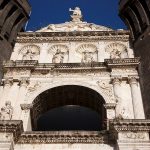
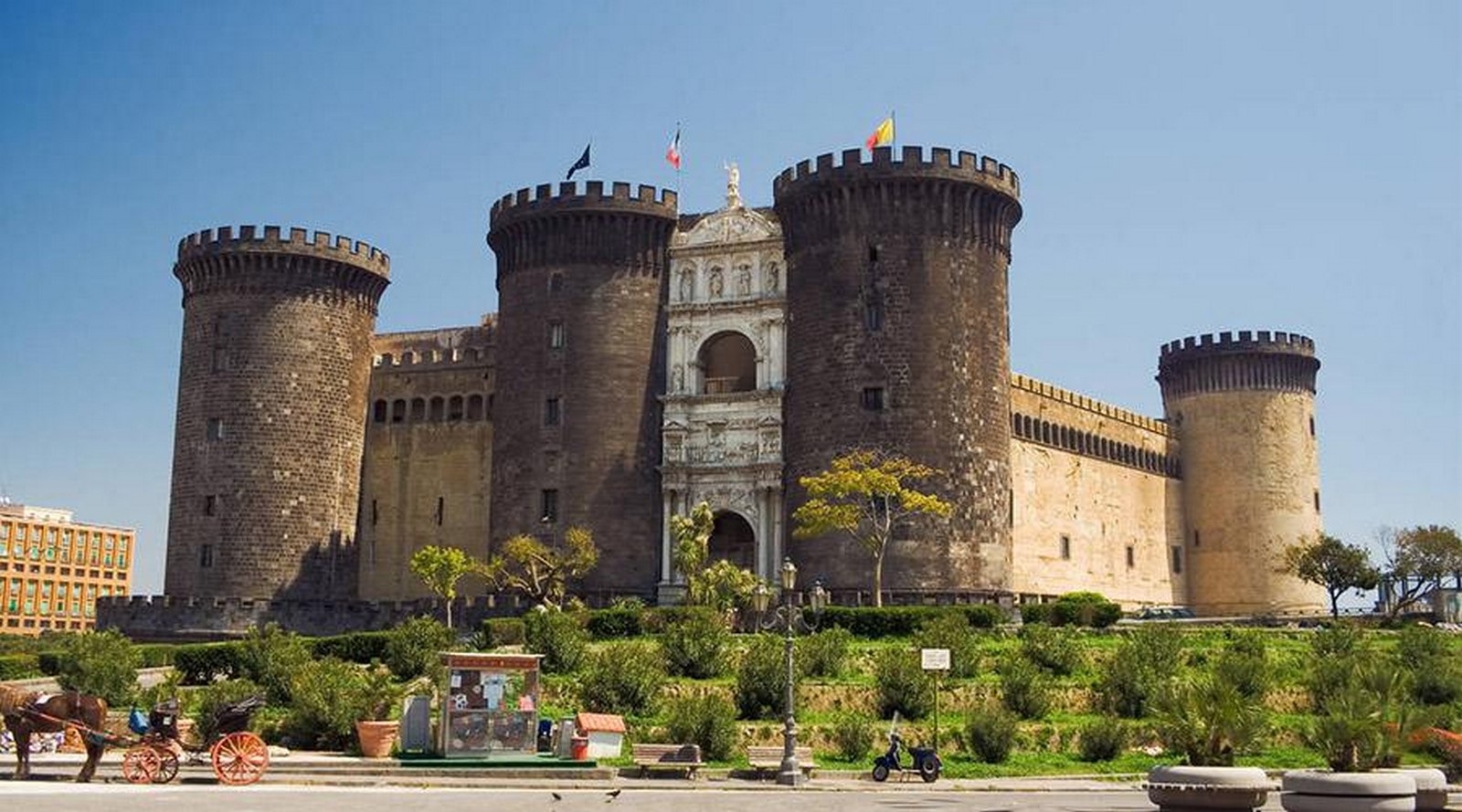
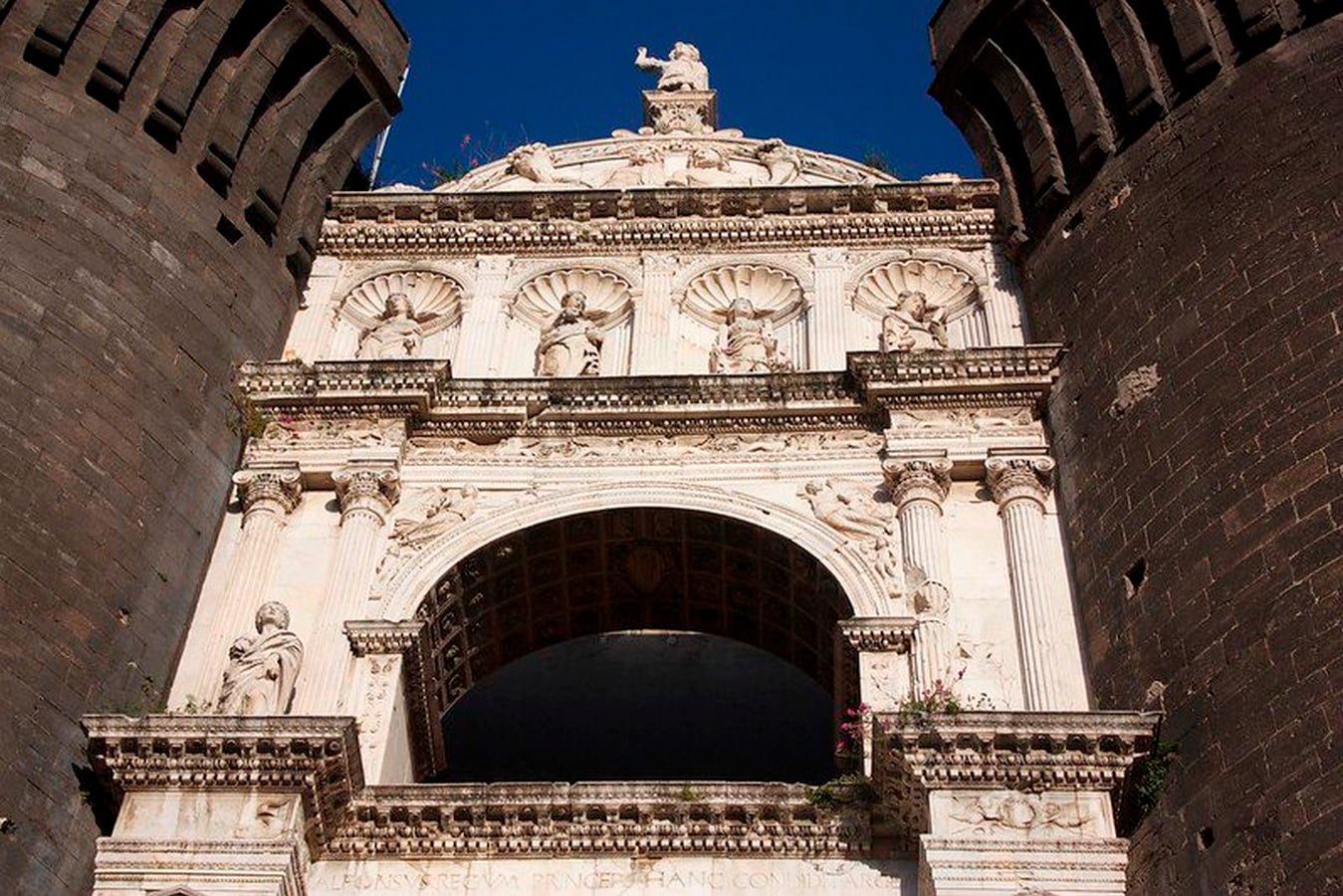
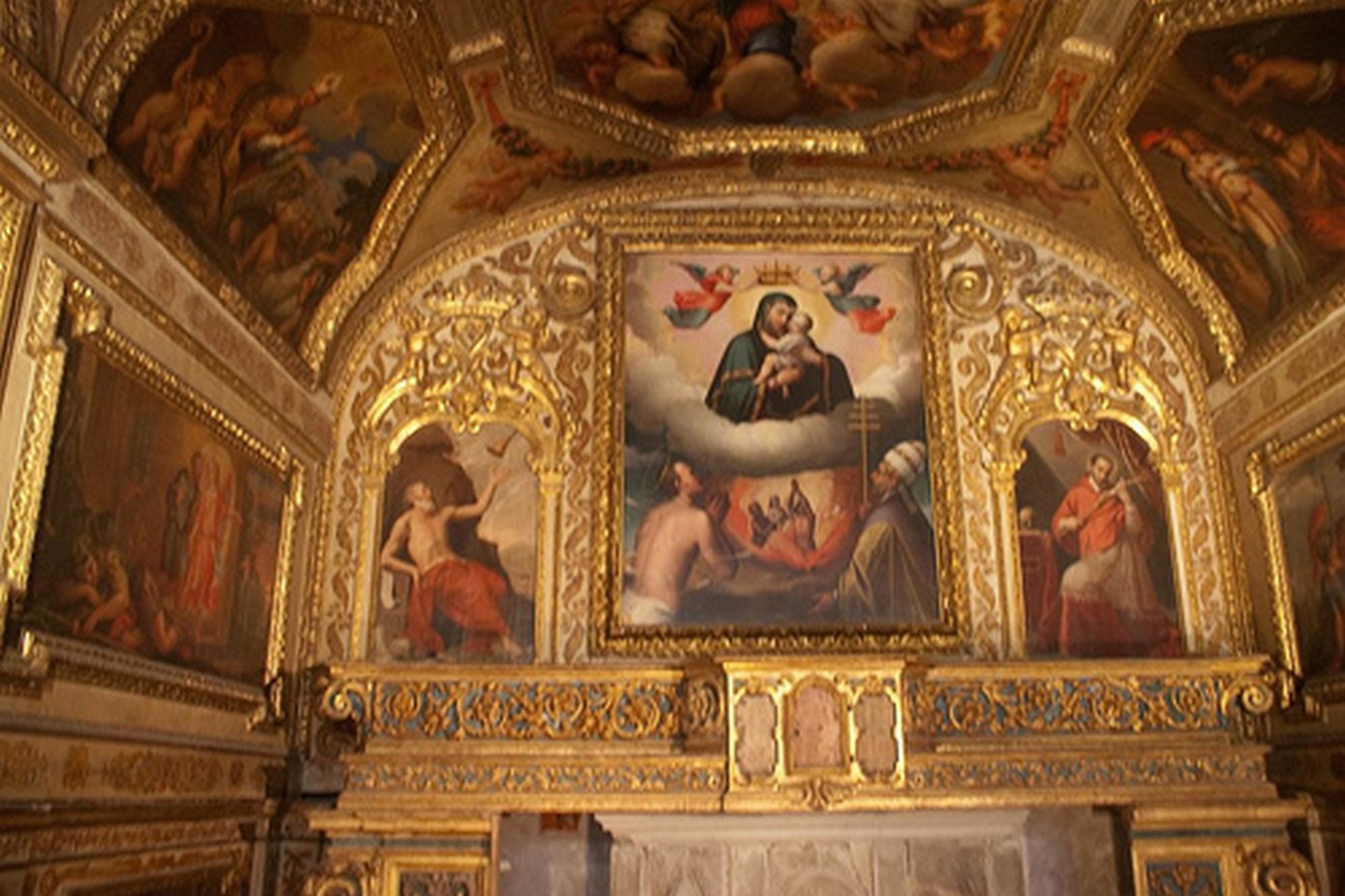
This colossal and magnificent Medieval Renaissance castle is located next to the port of Naples. It was originally built in 1282 and has been rebuilt several times since then. The castle features five round towers with an intricately carved white marble triumphal arch as the main entrance. Along with the beautiful paintings and frescoes inside the castle, it provides spectacular views of Naples and the harbor.
7. Naples Cathedral
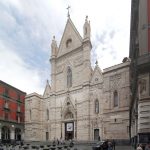
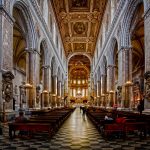
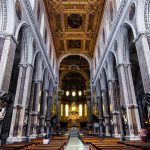
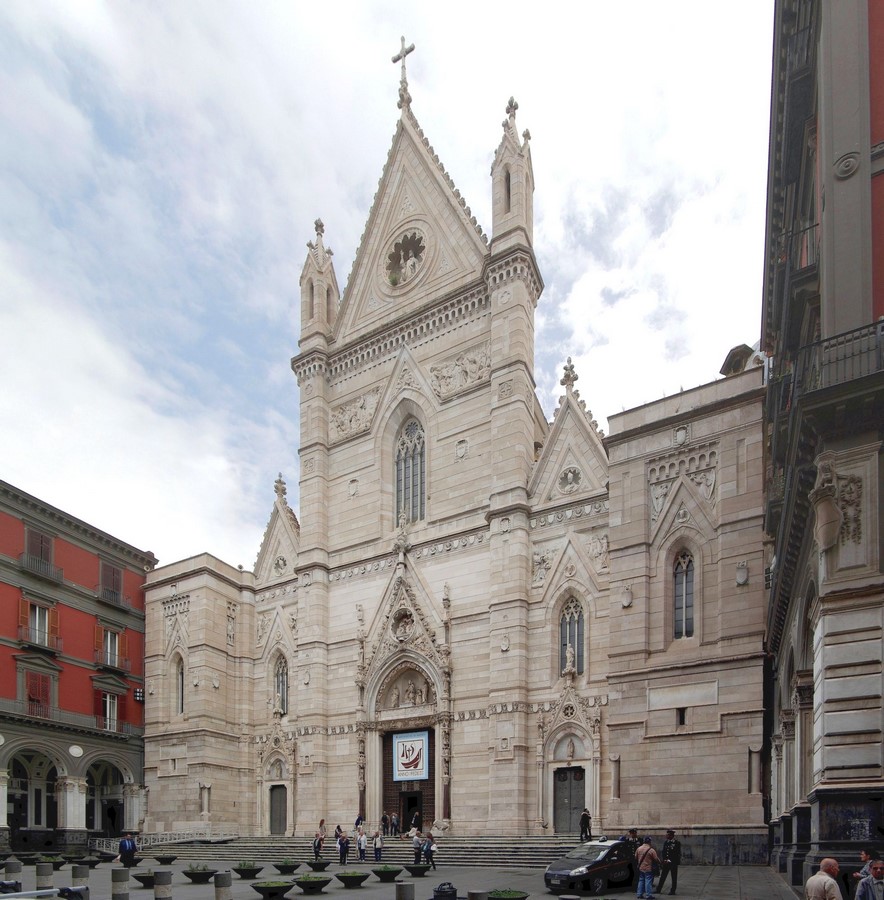
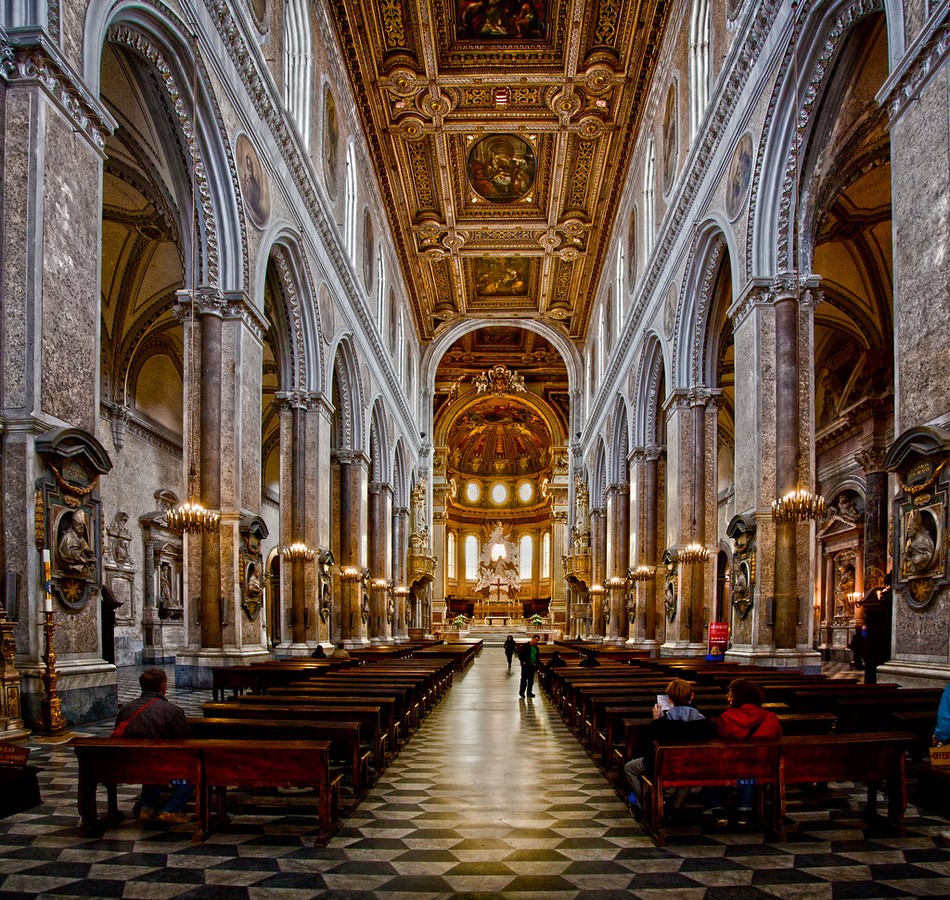
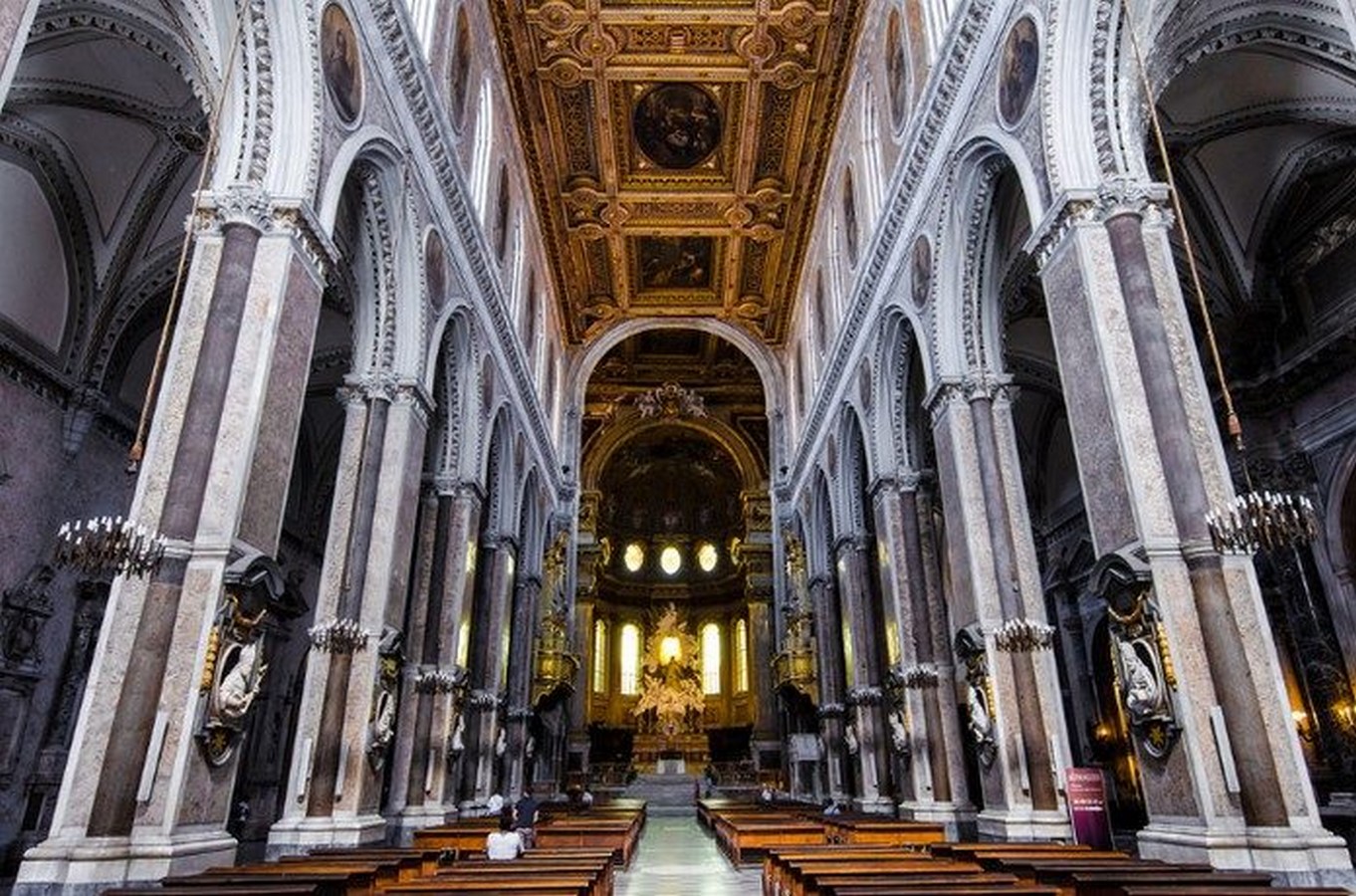
The 13th century-old Roman Catholic cathedral also called the Duomo is the main church in Naples and is an amalgamation of different architectural styles – Gothic, Renaissance, and Baroque. With its beautiful ornamentation, intricate frescoes, and grand altars, it is truly a sight of grandeur.
8. Castel dell’ Ovo
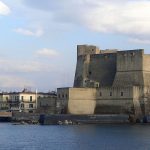
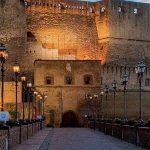
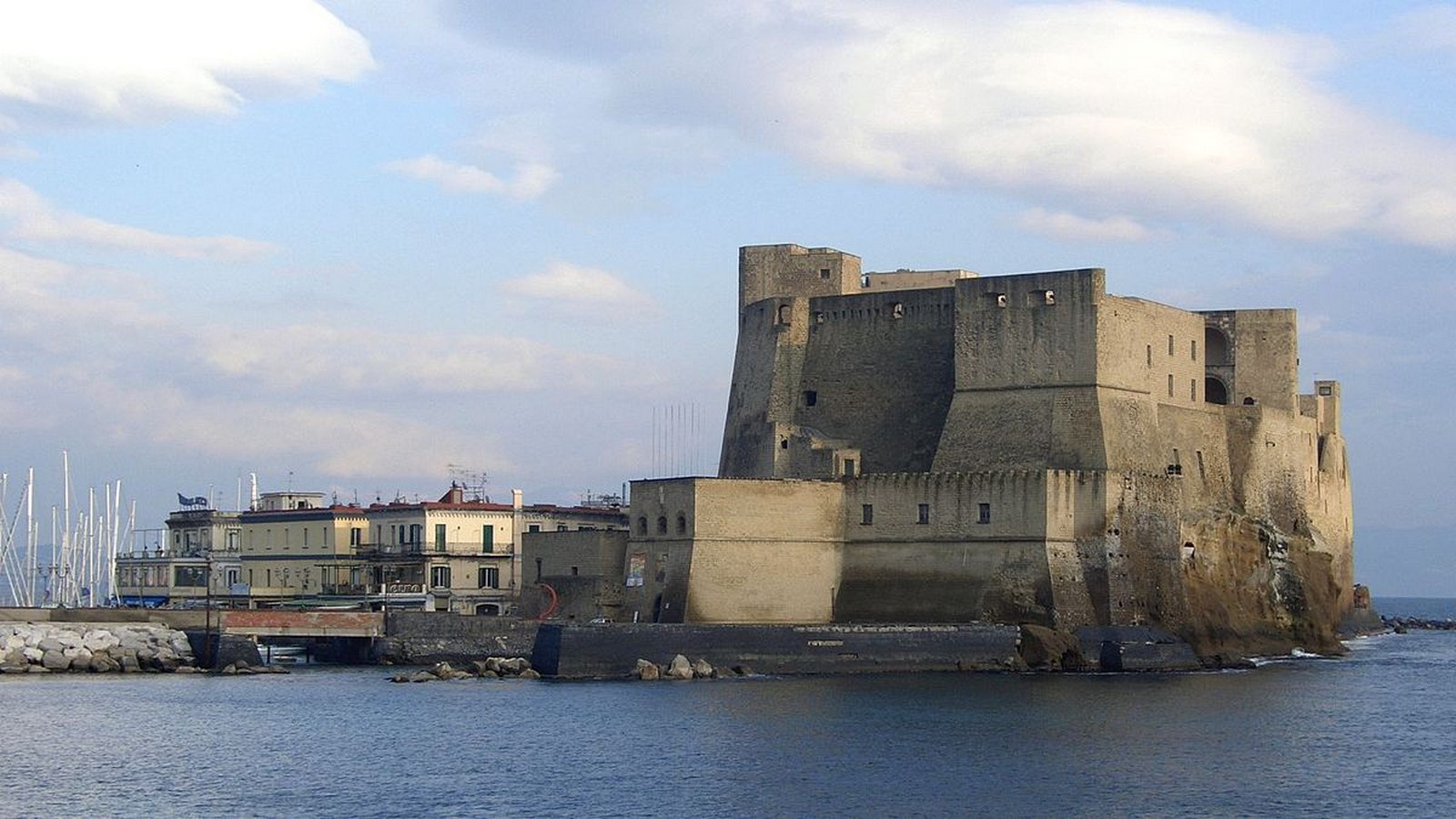
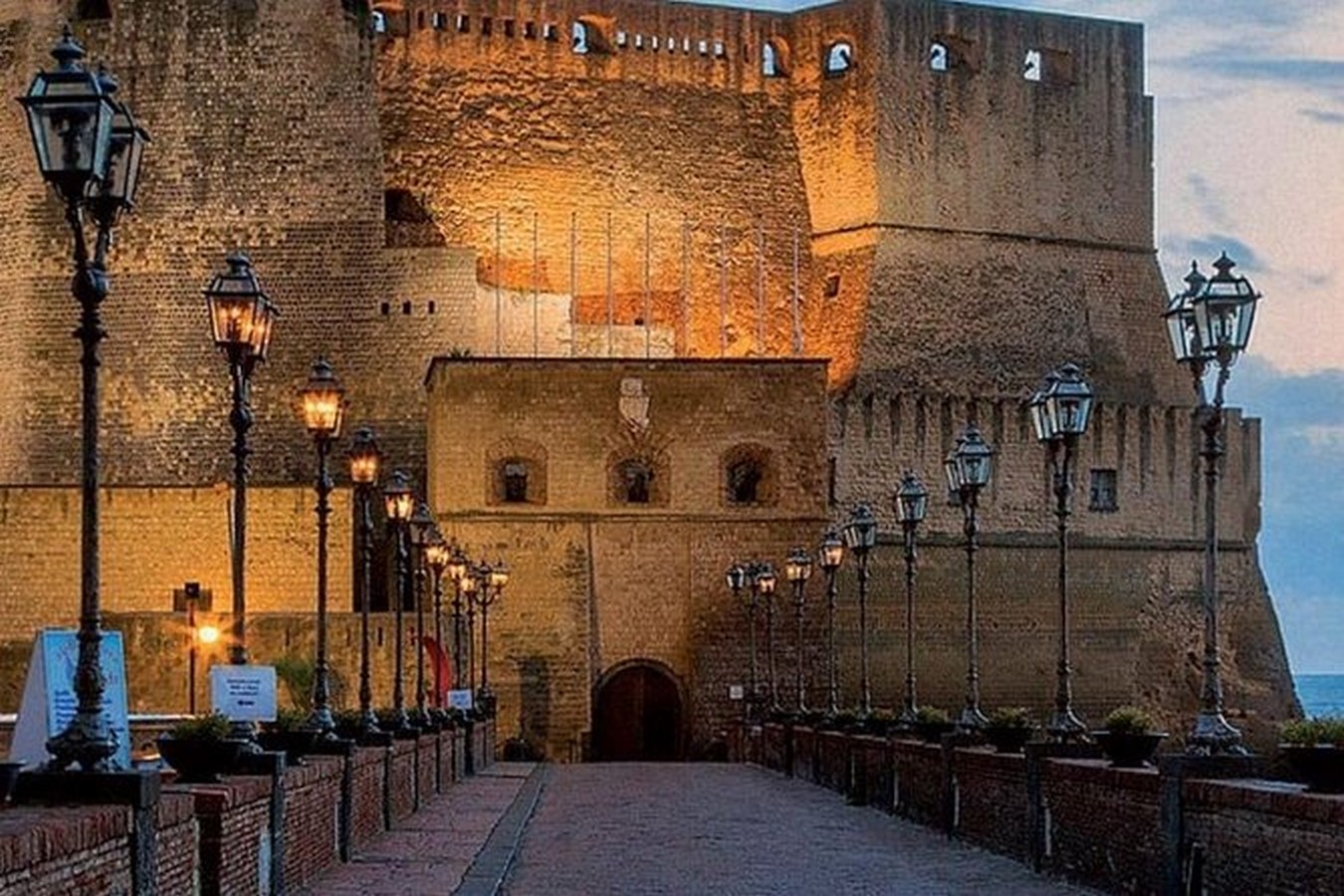
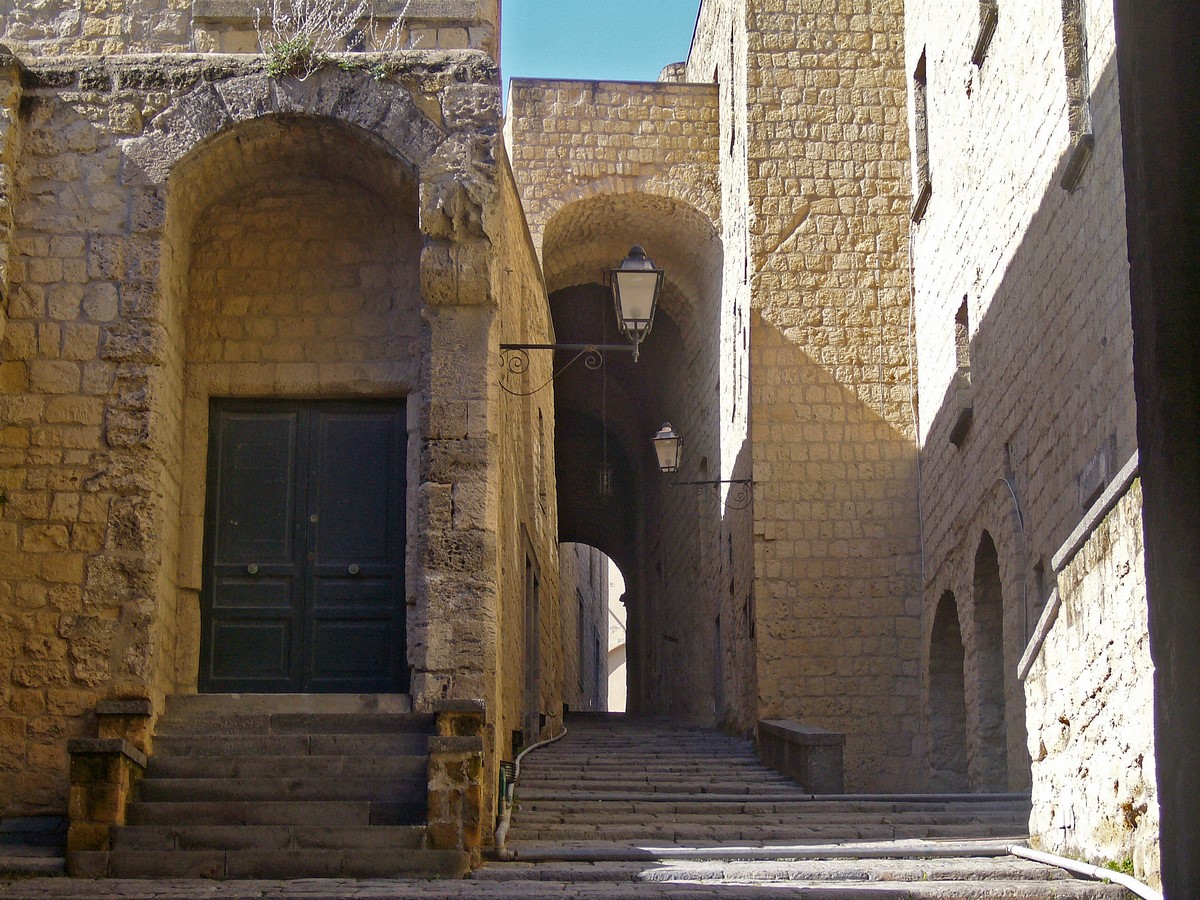
Also known as the egg castle, this imposing structure is the oldest fortification in the city located on the Naples coastline. The castle has served as a prison and royal residence in the past and is now used for temporary art exhibitions and events.
9. Royal Palace of Naples
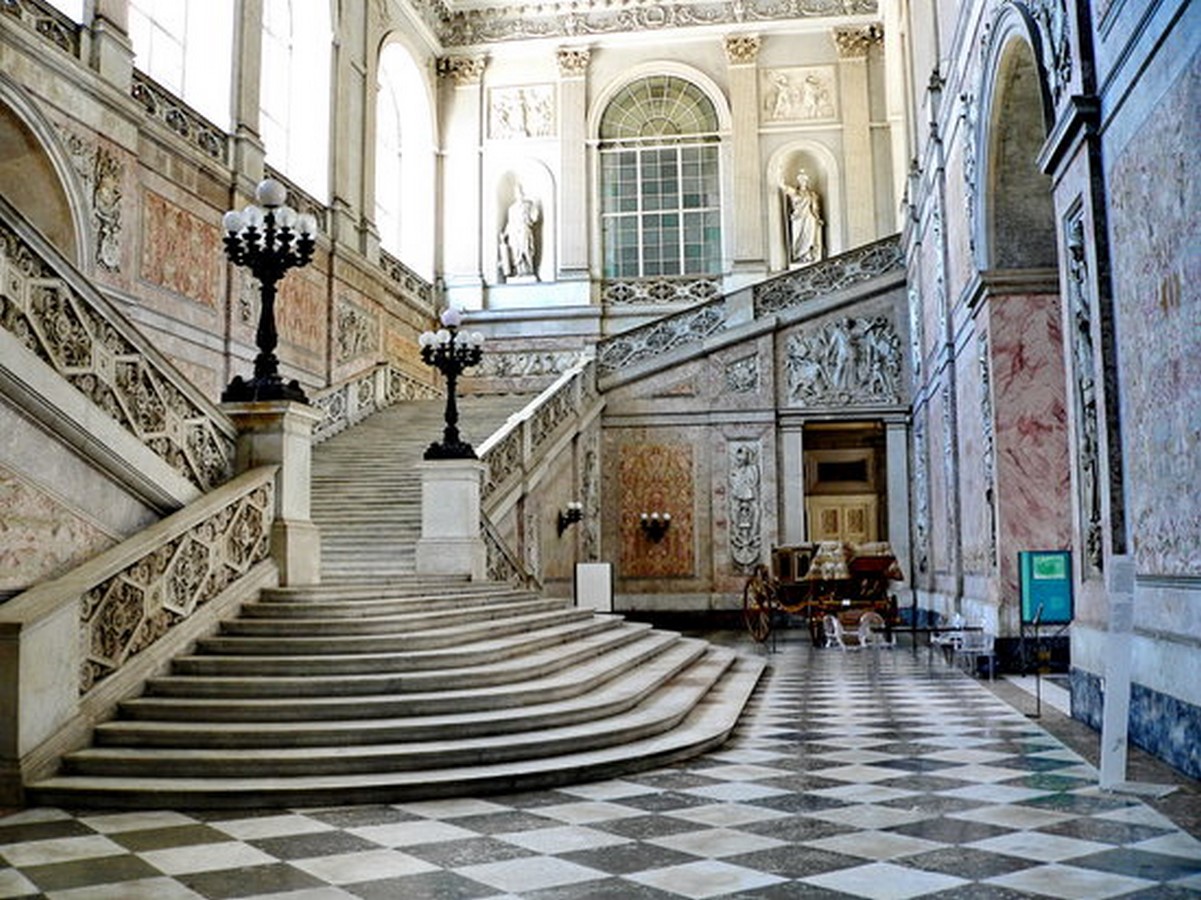
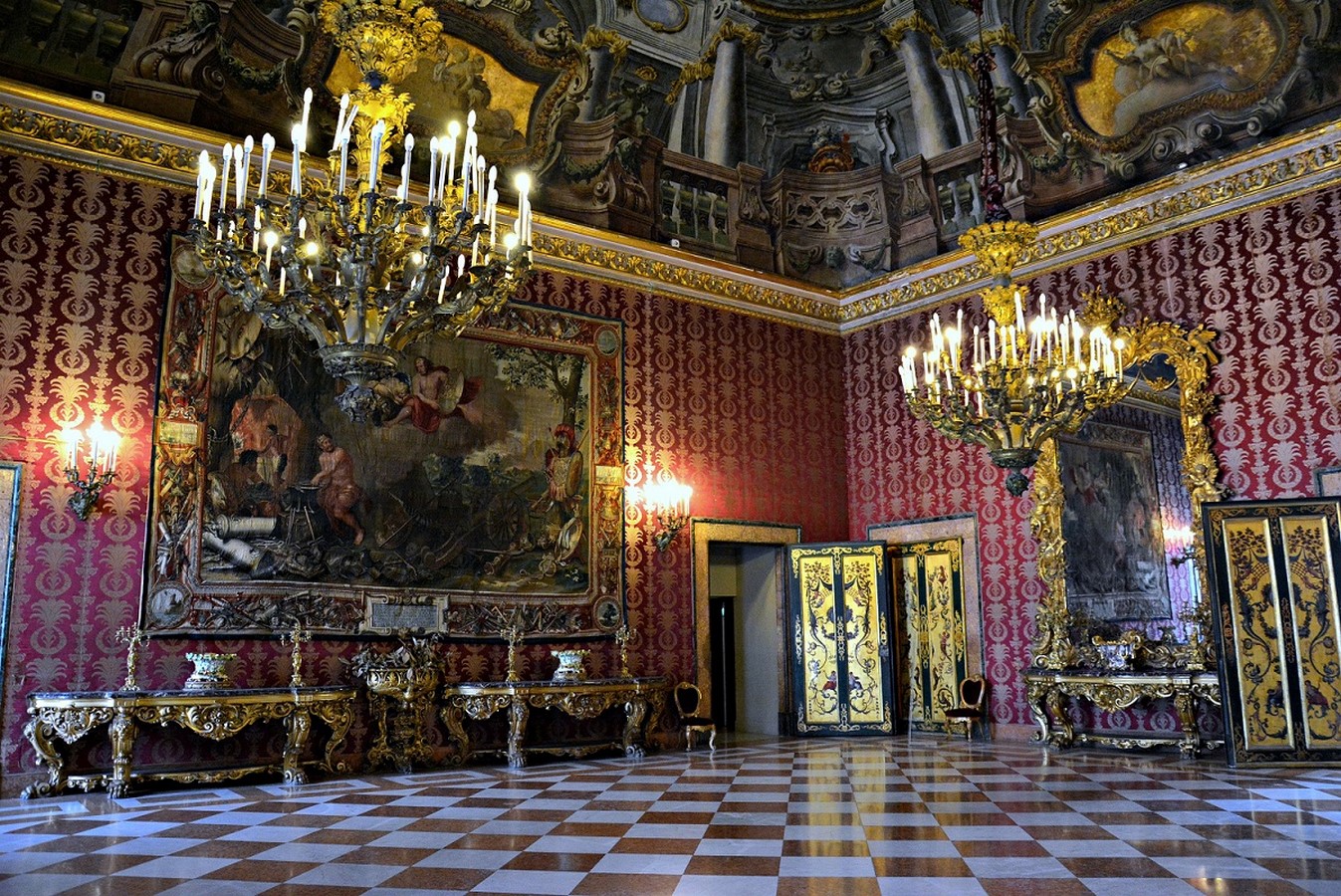
Built when Naples was under Spanish rule, the Royal Palace sits opposite the Basilica of San Francesco di Paola in Piazza del Plebiscito. The spectacularly ornamented interior of the palace offers visitors to experience the history of Naples with its many rooms, courtyards, and gardens.
10. Cappella Sansevero
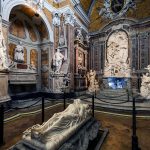
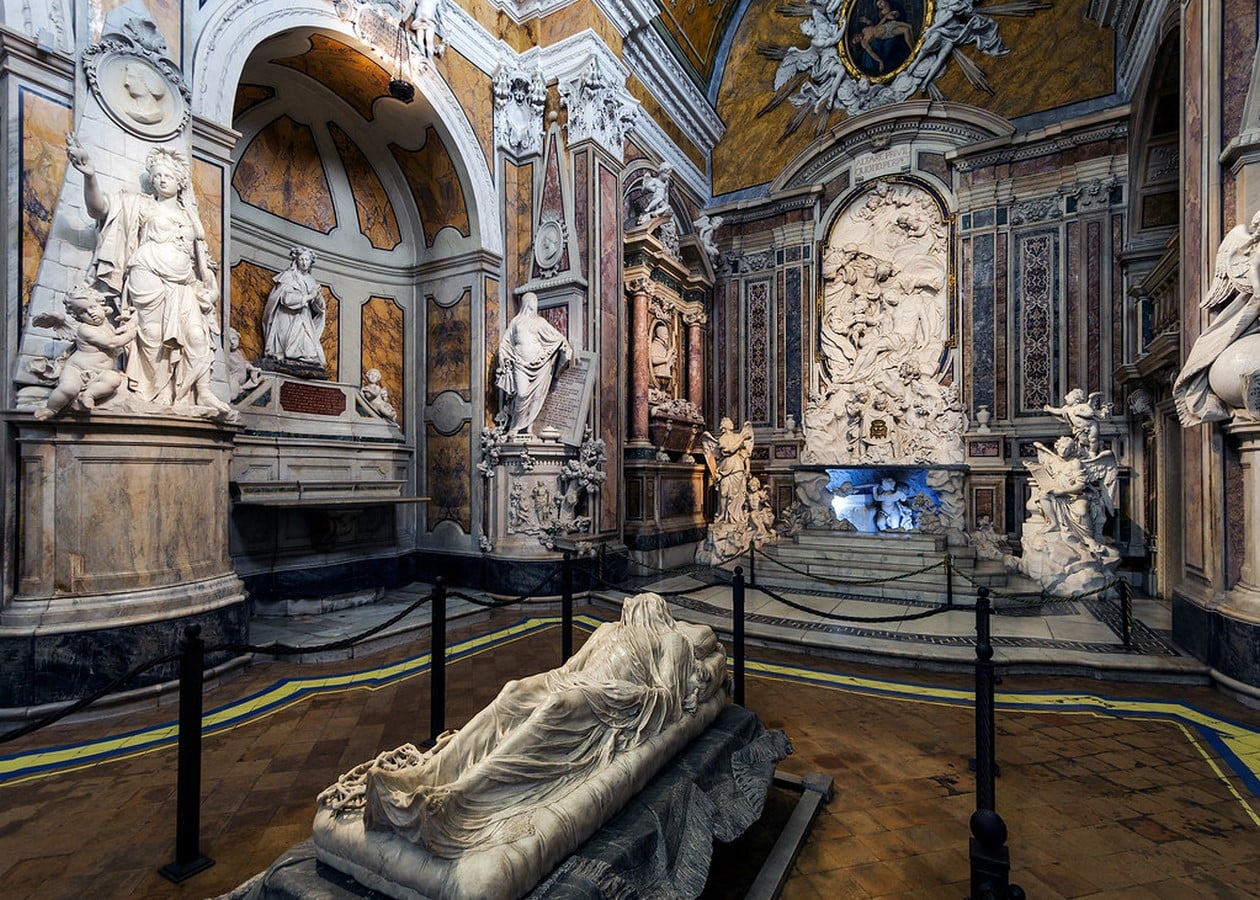
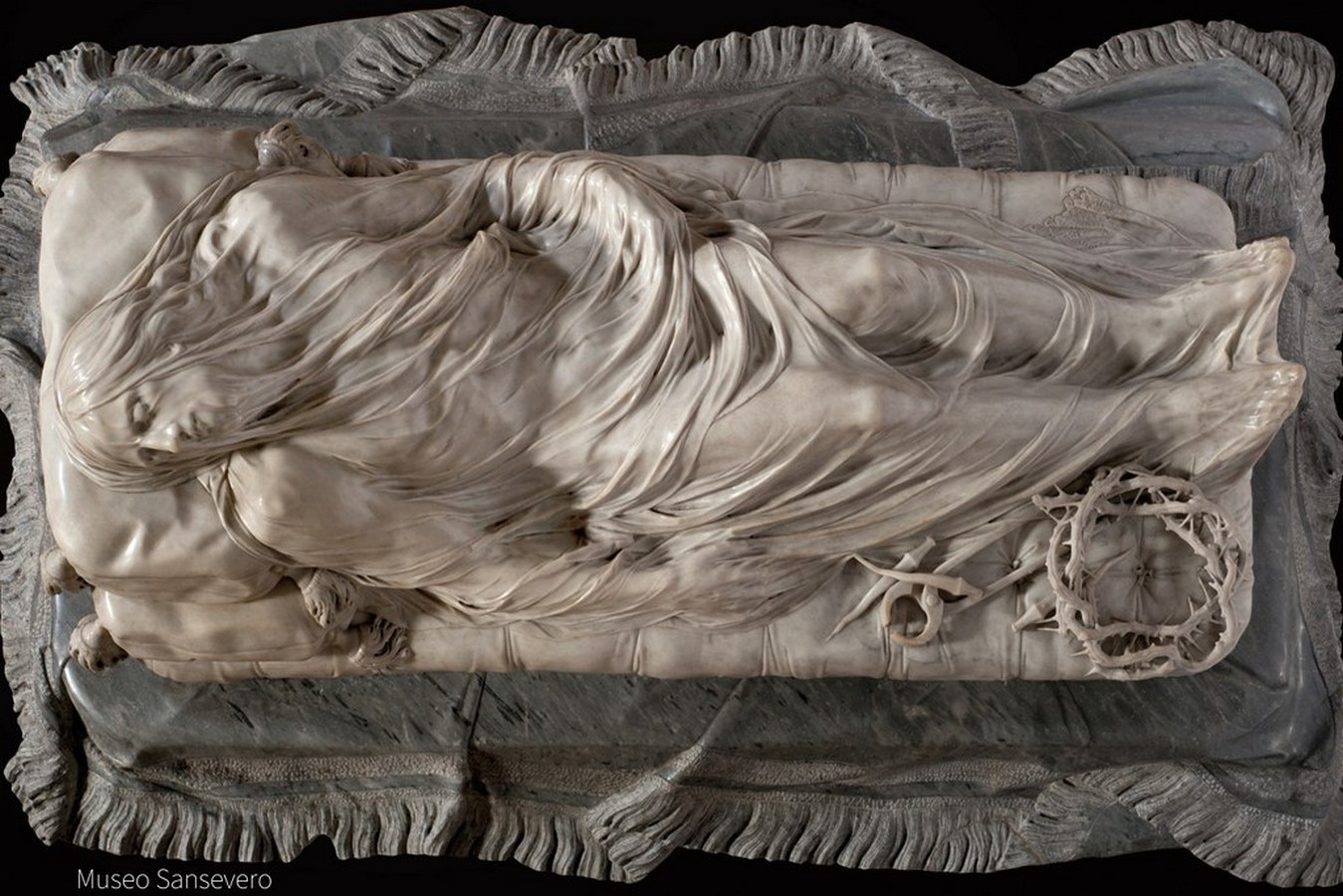
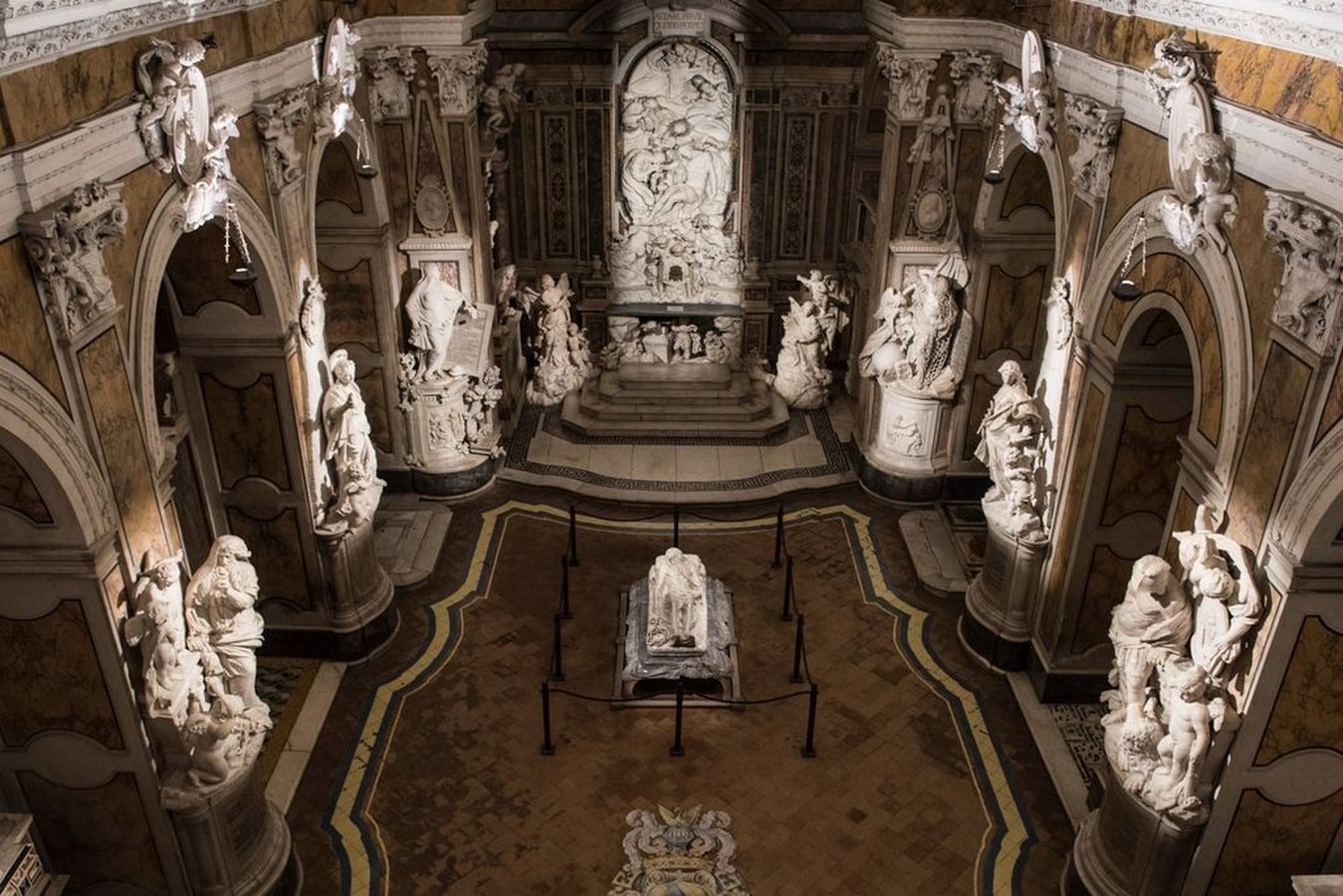
Amongst the many churches and chapels in Naples, Cappella Sansevero is the most visited museum-chapel in the city. It is known to house one of the most remarkable marble sculptures called the Veiled Christ from the 18th century. Another of its notable features is the beautiful ceiling painted fresco named the Glory of Paradise.
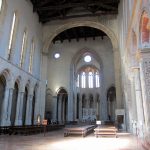
11. San Domenico Maggiore church
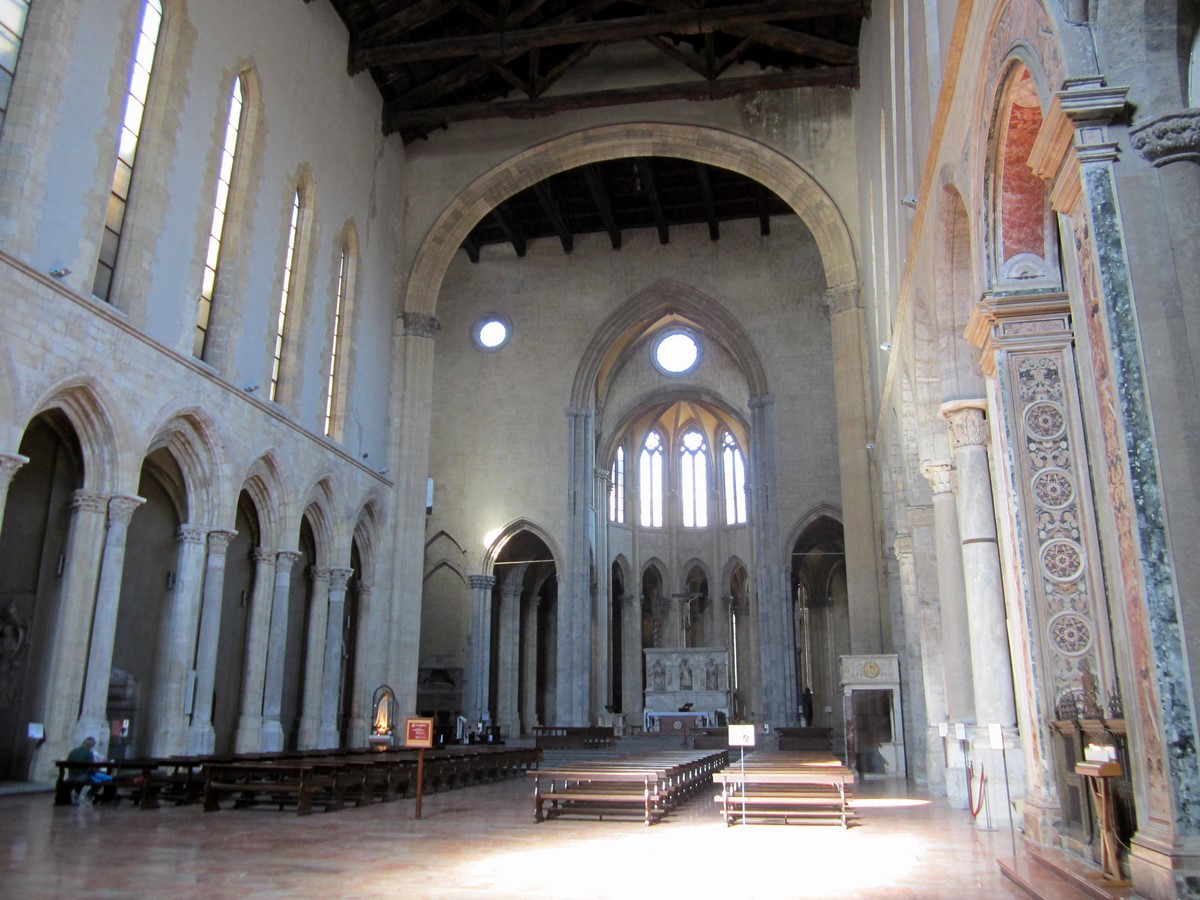
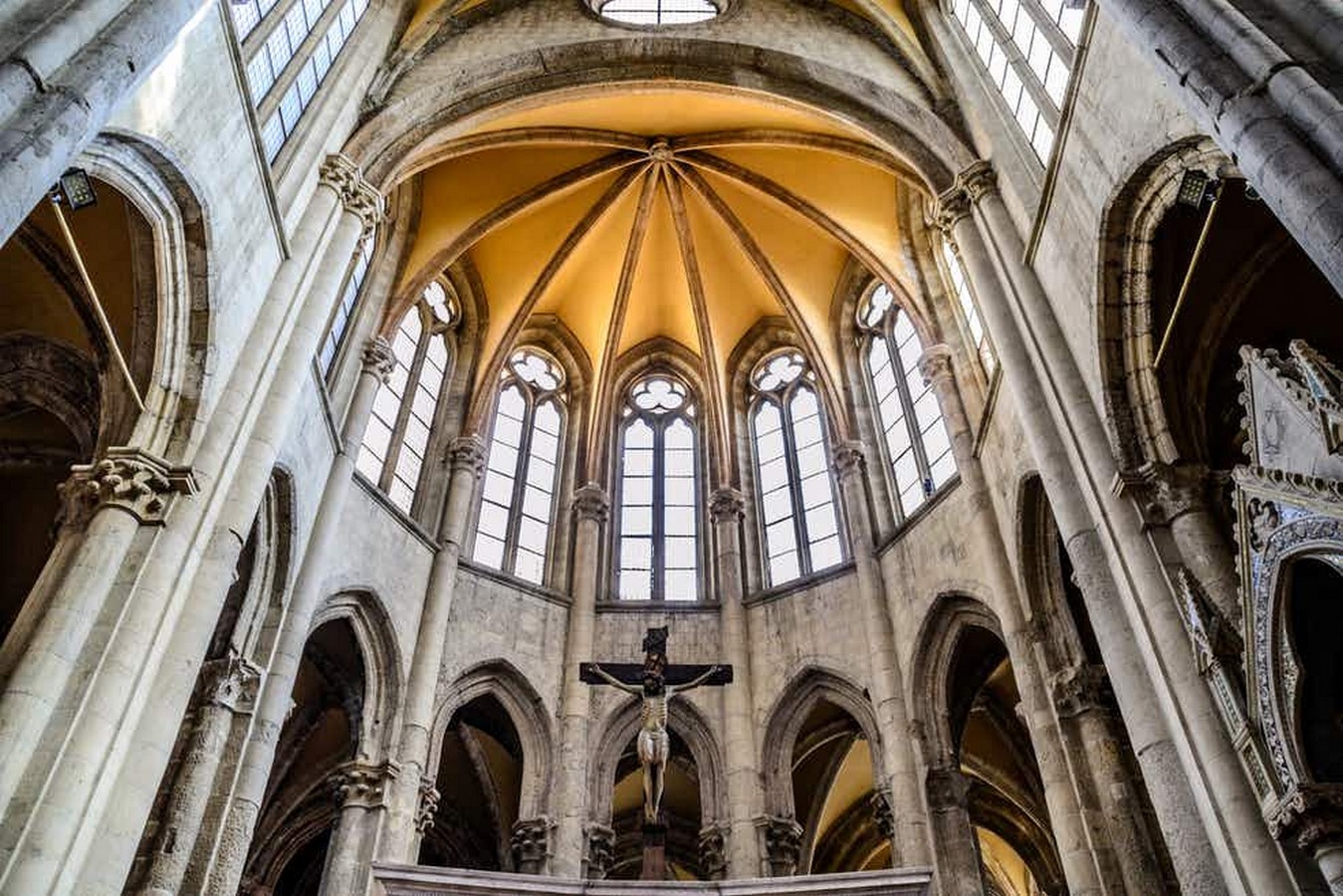
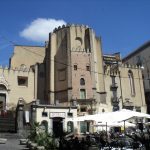
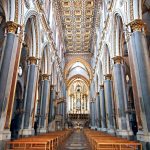
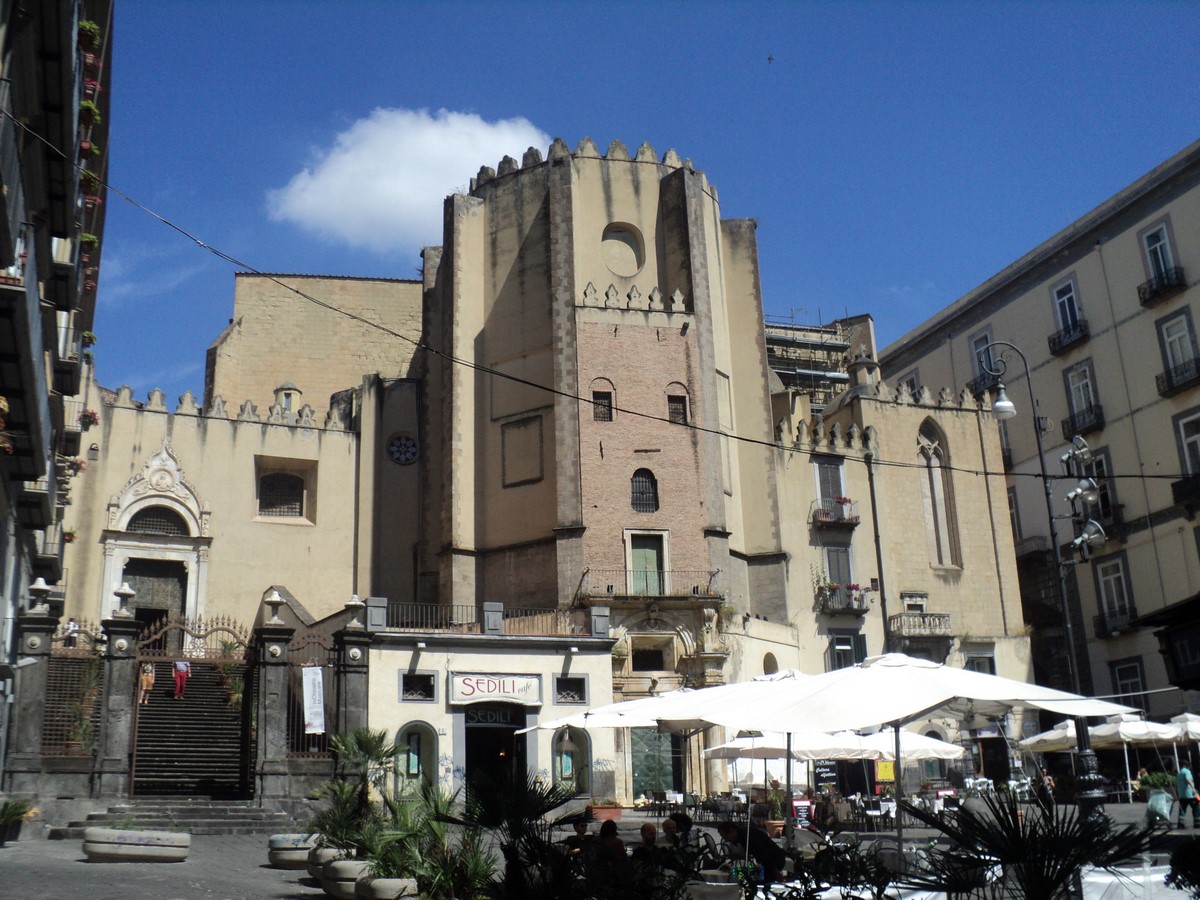
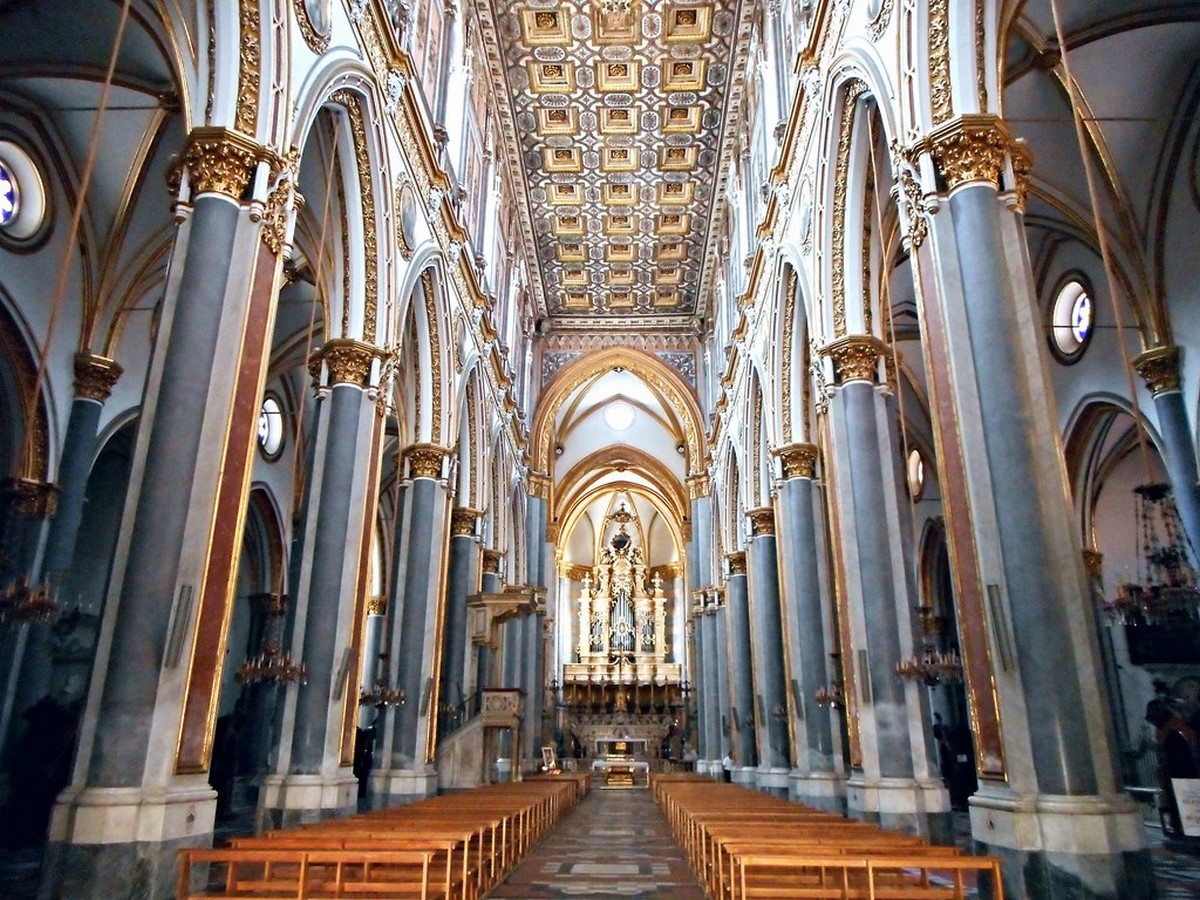
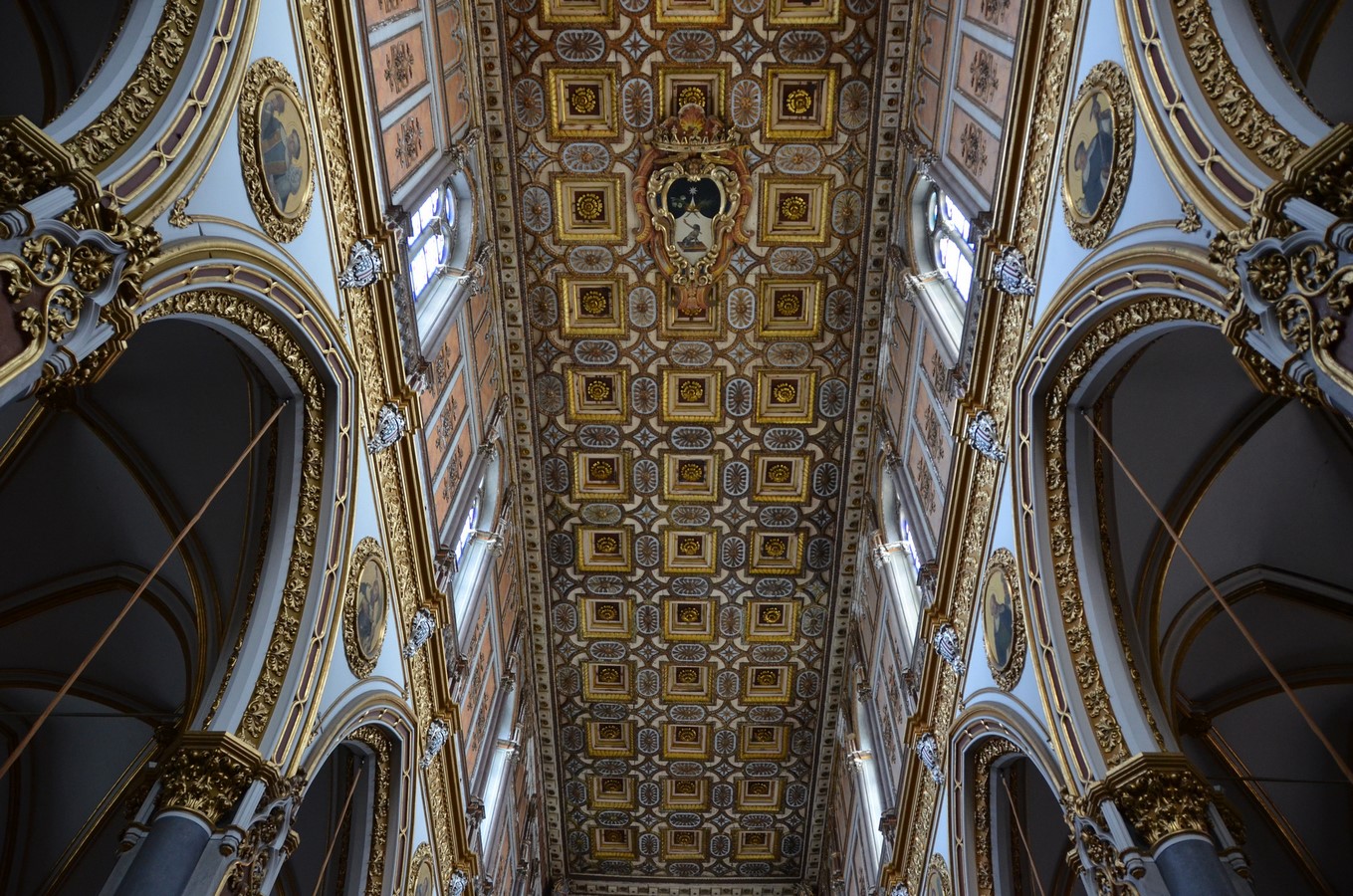
Built-in the 13th century, San Domenico Maggiore church is one of Naples’ most important places of worship with great historic value. Contrary to its blank Gothic façade, the interior is magnificently decorated with intricate gold details, frescoes, tall columns, and grand altars.
12. Galleria Umberto I
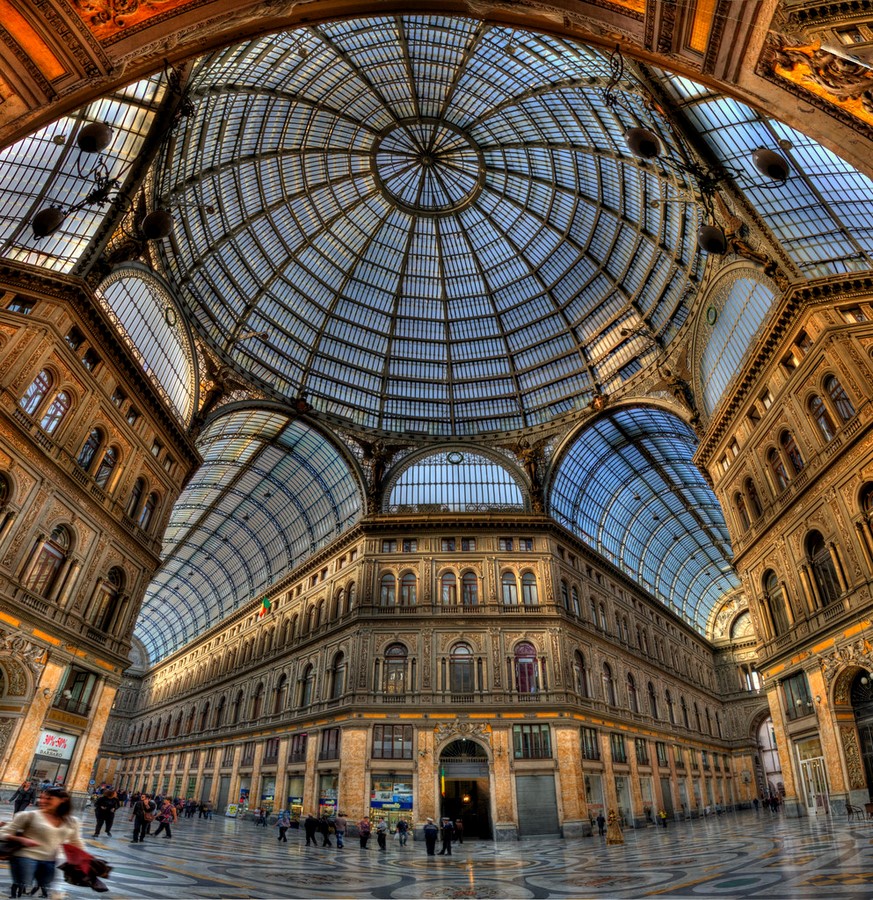
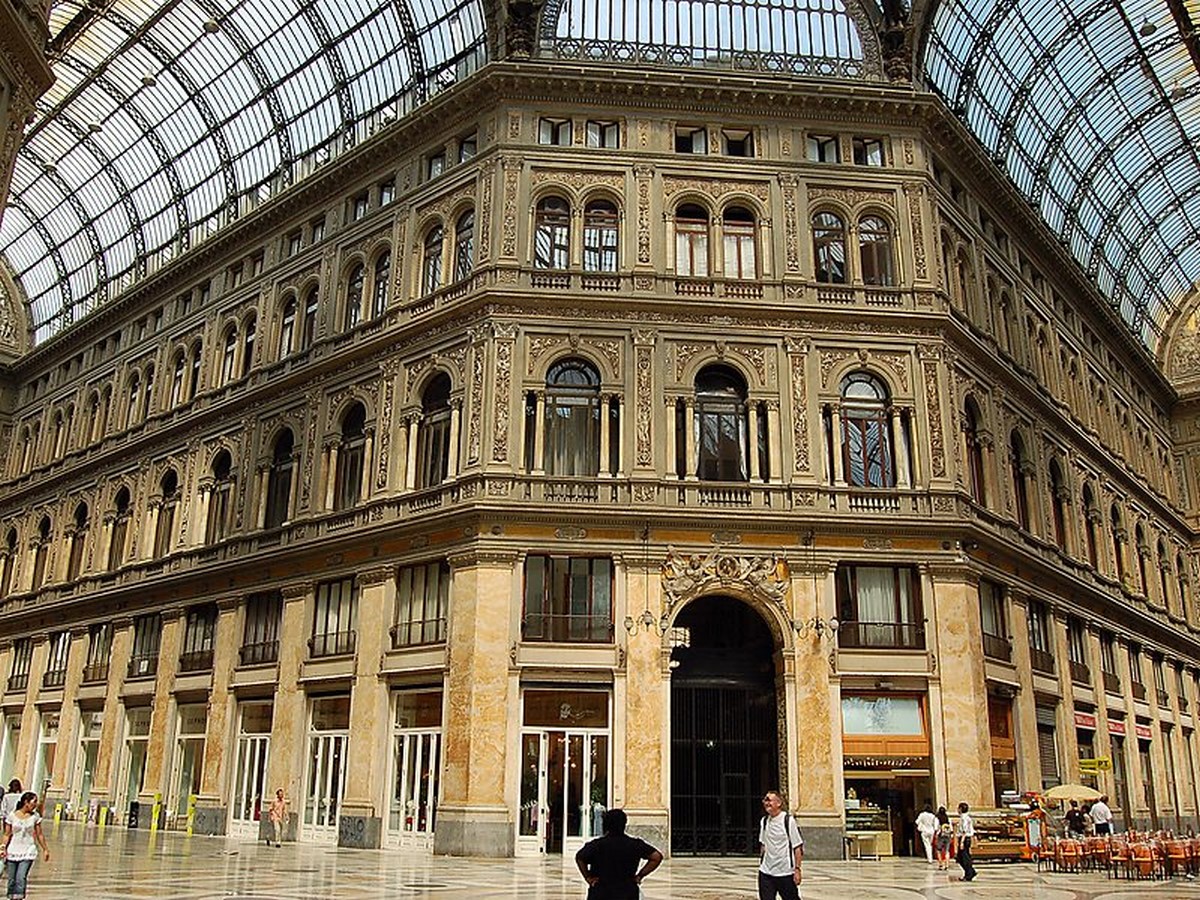
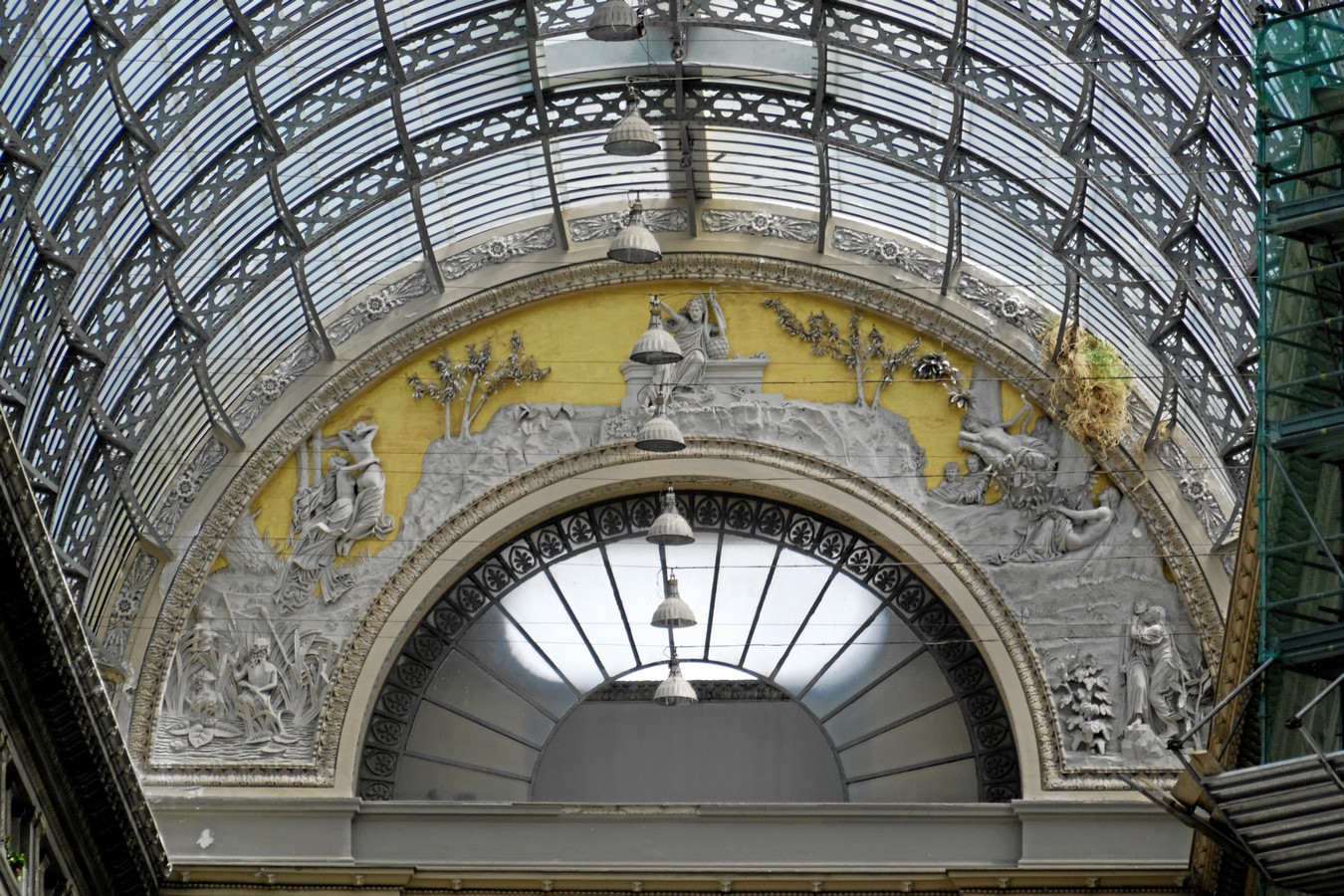
Galleria Umberto I is a 19th-century public shopping arcade located directly across the San Carlo Theatre. It was built when many Italian cities including Naples were being re-planned and re-built. The high and spacious structure with glass and steel roof has the ground floor as shops, cafes, and restaurants while the upper floors act as business offices.
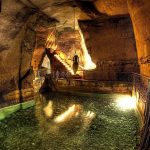
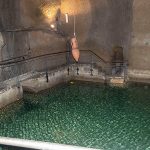
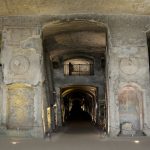
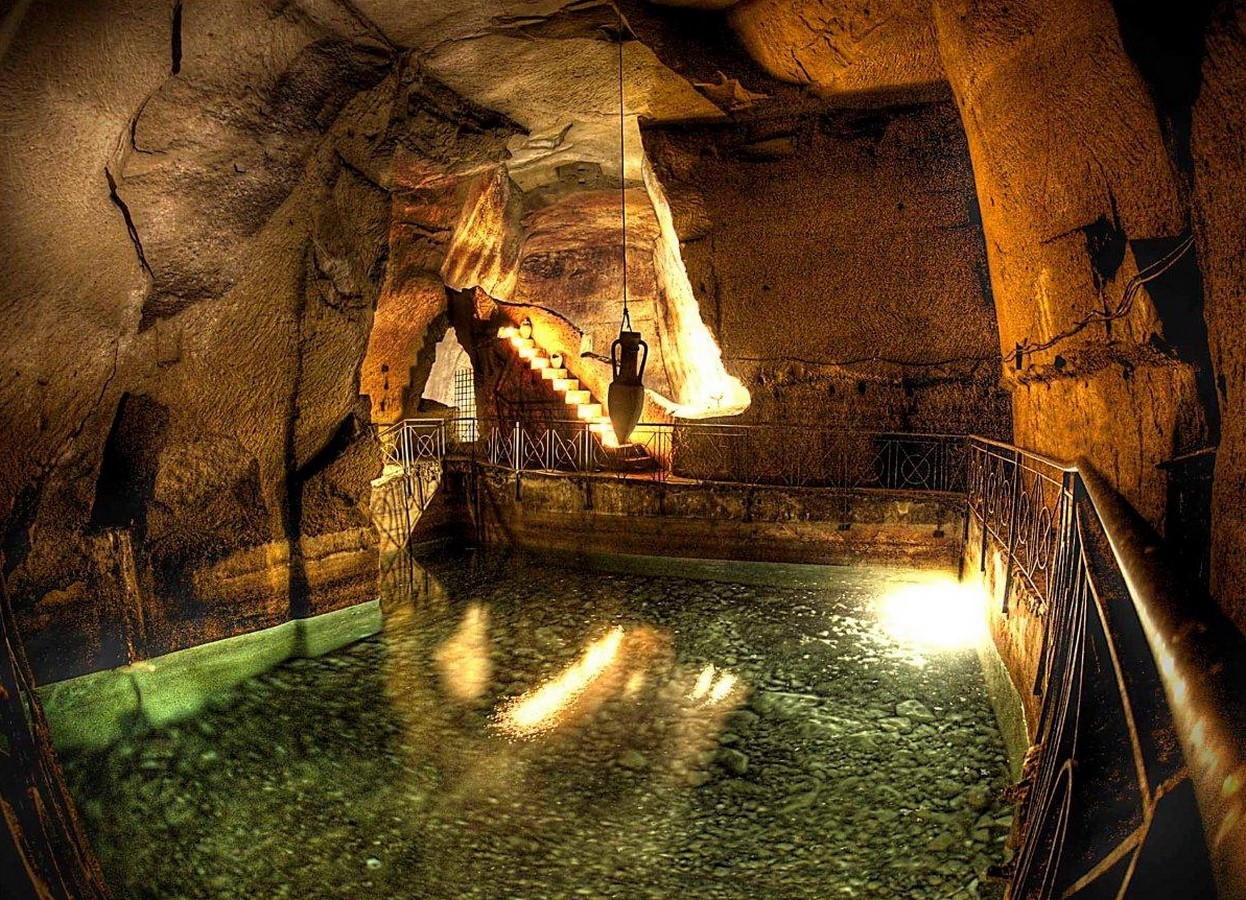
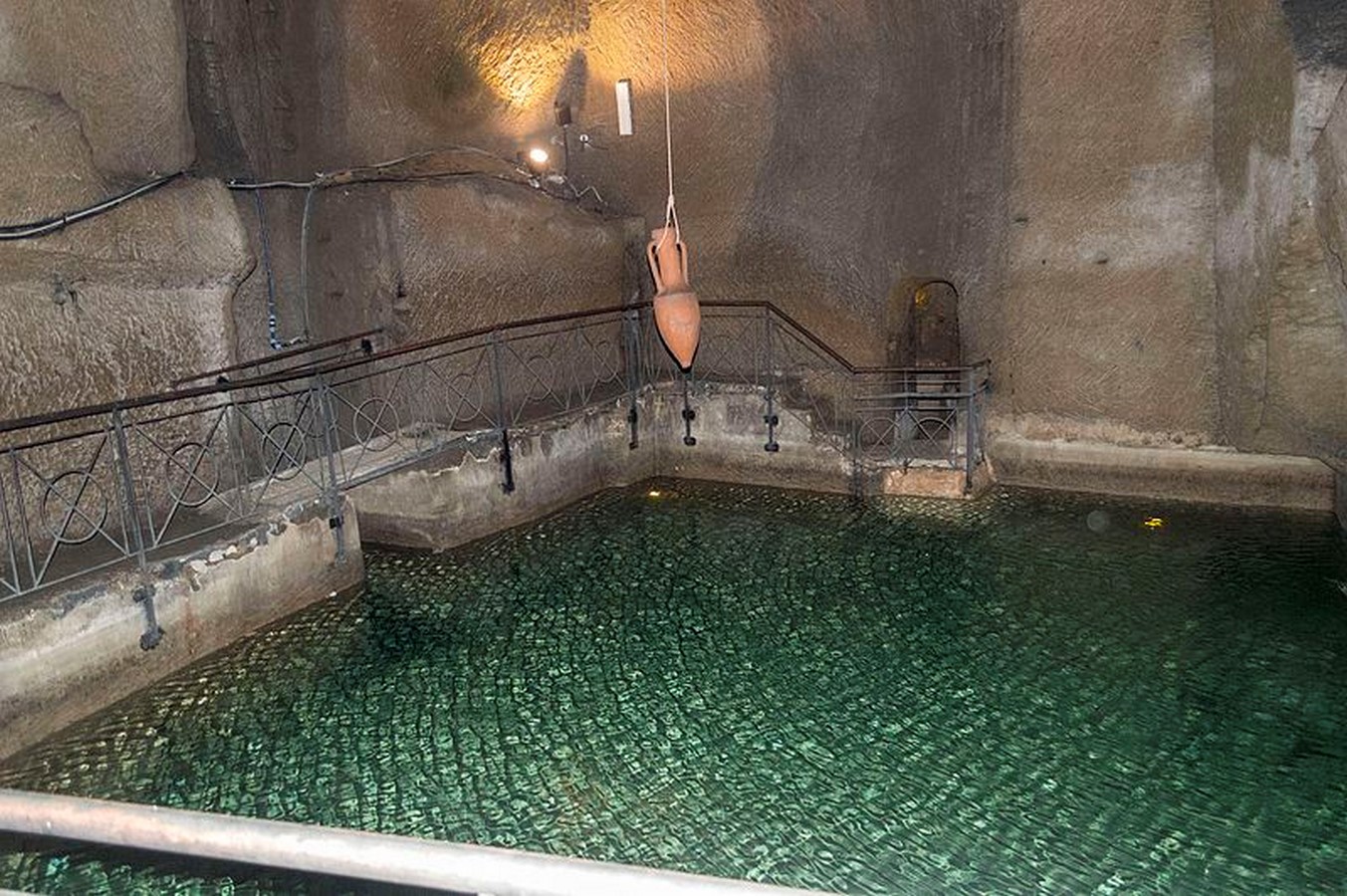
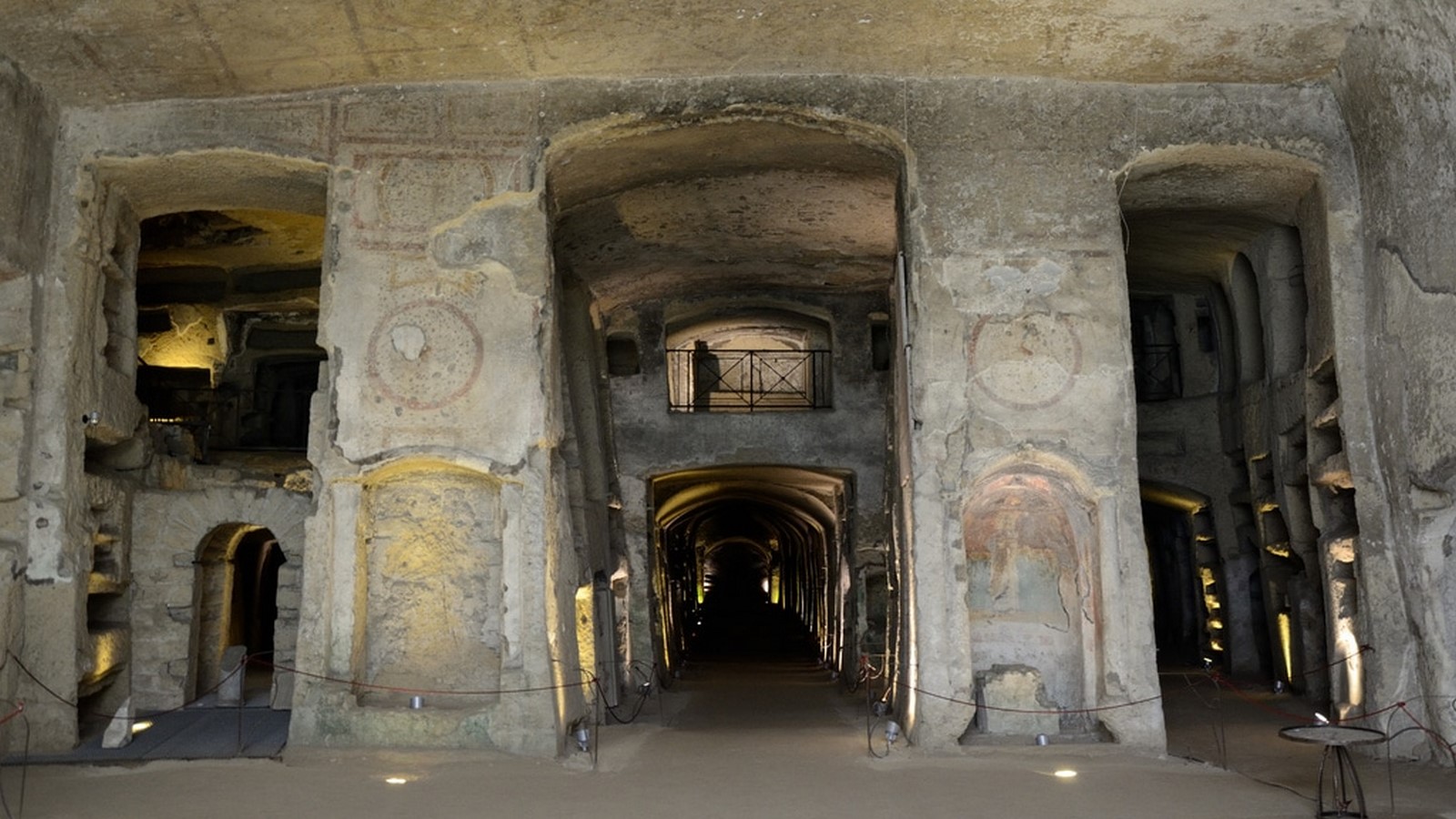
13. Naples underground
This subterranean network was originally dug up by the Ancient Greeks for material and was later used by the Romans as aqueducts. It was also used during World War II by hundreds of people as bomb shelters. This labyrinth of tunnels, caves, aqueducts, and cisterns have now been renovated and is one of the most visited places in the city.
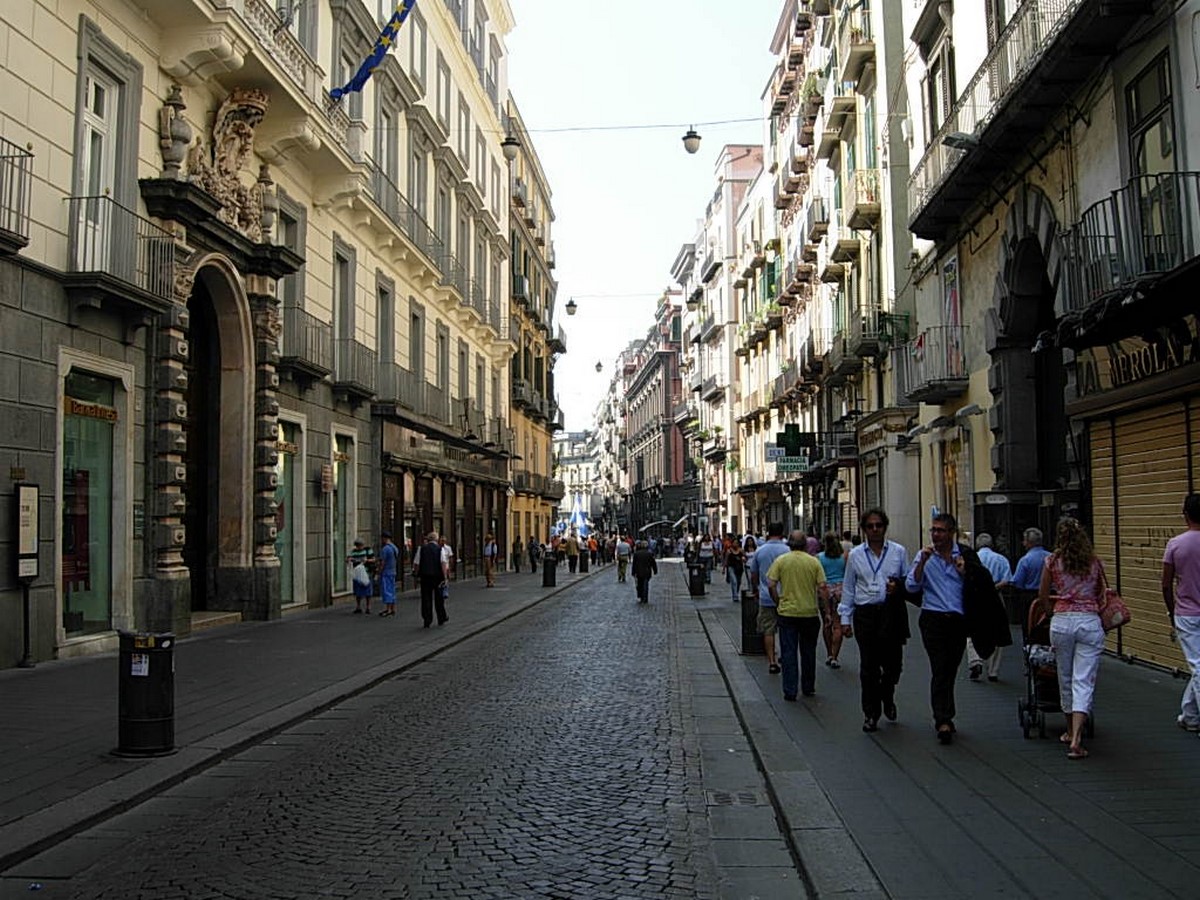
14. Via Toledo
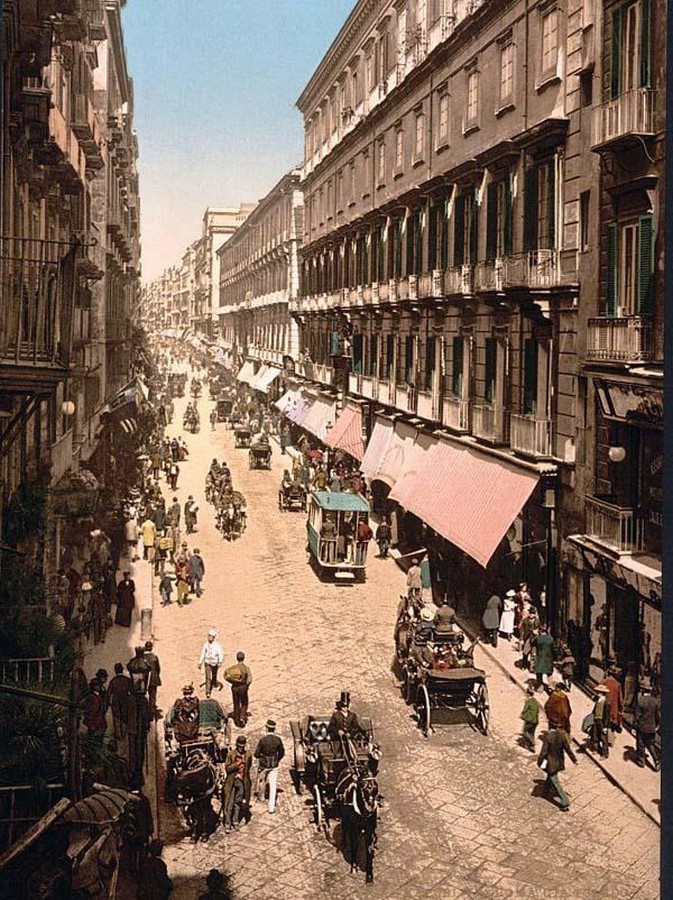
Via Toledo is one of the most ancient and buzzing shopping thoroughfares in the city of Naples. Dating back to 1536, it is home to some of the most important religious and cultural monuments.

15. San Lorenzo Maggiore Basilica
Built-in the late 1200s, it is one of the oldest churches in Naples. It is located in the exact geographical center of historic Naples with an ancient two-story Greco-Roman market below it.