‘Yes is More An Archicomic on Architectural Evolution’ by Bjarke Ingels – Books every Architecture Enthusiasts must read
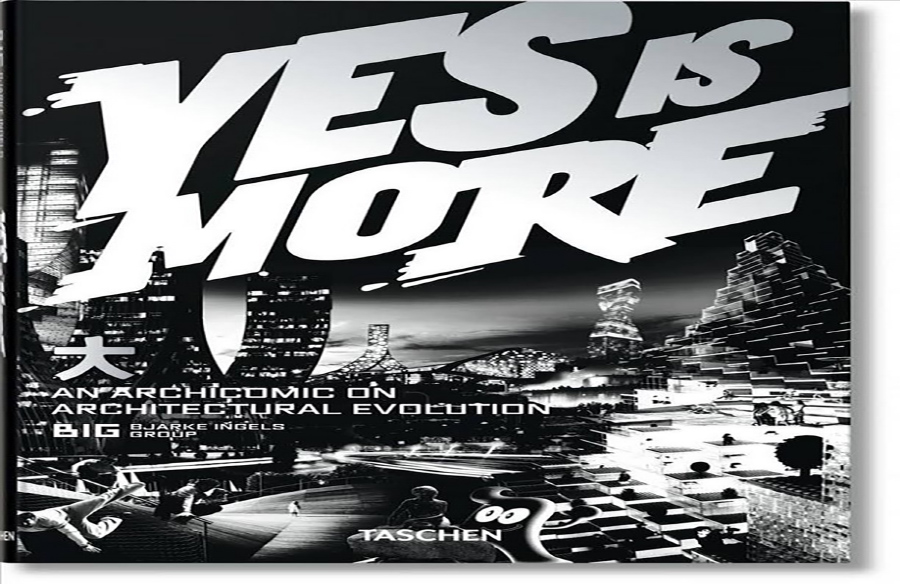
Bjarke Ingels’ ‘Yes is More’ ventures into uncharted territory within architectural literature. Departing from conventional texts, this book adopts a unique approach, presenting architectural concepts through the unconventional medium of comic strips.
A Visual Narrative of Architectural Evolution
‘Yes is More’ revolutionizes architectural discourse by embracing the power of visuals. Through a series of engaging and thought-provoking comic strips, Ingels encapsulates complex architectural ideas, projects, and philosophies. The unconventional presentation style appeals to a broader audience, breaking down barriers to understanding architectural concepts.
Exploring Ingels’ Design Philosophy
At the heart of ‘Yes is More’ lies Ingels’ design philosophy, characterized by a pragmatic approach to architecture. The book showcases his belief in architecture’s potential to solve societal challenges creatively. Ingels illustrates how architectural interventions can address environmental concerns, social issues, and urban complexities while maintaining a sense of playfulness and innovation.
Projects in Focus: From Vision to Reality
Ingels uses the comic format to narrate the journey from conceptualization to realization of various projects. Readers witness the evolution of iconic structures like the Danish Pavilion at the Shanghai Expo, the Mountain Dwellings in Copenhagen, and the 8 House complex. The book’s format enables readers to delve into the intricacies of design thinking and the complexities of architectural execution.
Big Ideas, Big Impact
‘Yes is More’ isn’t just a documentation of projects; it’s a manifesto for pushing the boundaries of traditional architecture. It challenges architects to think boldly, to explore unconventional solutions, and to view constraints as opportunities for innovation. Ingels’ narrative encourages architects to break free from conventions and embrace a mindset that fosters creativity and innovation.
Relevance in Contemporary Architecture
The book’s message resonates strongly in today’s architectural landscape, where sustainability, social responsibility, and innovation are paramount. It inspires architects to adopt a mindset of ‘yes,’ encouraging them to envision a future where design solutions are not just feasible but also impactful and visionary.
Conclusion
‘Yes is More An Archicomic on Architectural Evolution’ transcends the realm of traditional architectural literature. Bjarke Ingels’ unconventional approach challenges readers to reimagine architecture as a dynamic, playful, and innovative discipline. By blending storytelling with architectural insights, this book invites enthusiasts and professionals alike to explore the transformative power of design in shaping our built environment.