Unveiling Excellence – Undergraduate Architecture Schools in the U.S
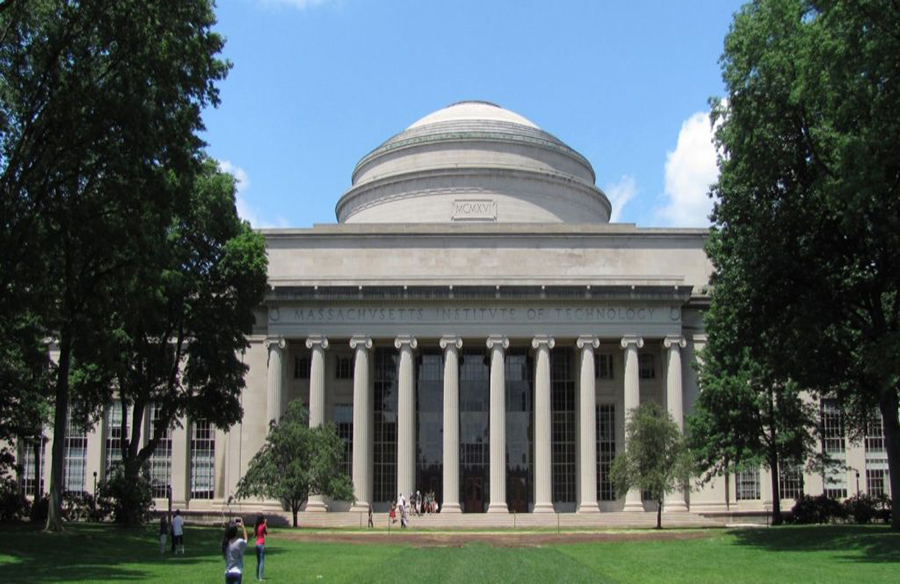
Nestled in the heart of Cambridge, Massachusetts, the Massachusetts Institute of Technology (MIT) stands as a beacon of innovation and academic prowess. Recognized globally for its cutting-edge research and groundbreaking contributions to various fields, MIT’s Department of Architecture is a testament to the institution’s commitment to shaping the future of architectural design and education.
Undergraduate Program for Architecture
MIT offers a comprehensive Undergraduate Program for Architecture that is both rigorous and inspiring. The program is designed to equip students with a solid foundation in architectural principles, encouraging creative thinking and problem-solving skills. The curriculum seamlessly blends theoretical knowledge with hands-on experience, preparing students to tackle real-world challenges in the field.
Program Structure and Curriculum
The architecture curriculum at MIT is carefully crafted to provide students with a holistic understanding of the discipline. Divided into core and elective courses, the program covers a spectrum of topics ranging from architectural history to sustainable design practices. Students engage in studio projects that foster collaboration and critical thinking, allowing them to apply theoretical concepts to practical scenarios.
Faculty Expertise and Research Opportunities
MIT boasts a stellar faculty comprising distinguished architects, scholars, and practitioners. These mentors bring a wealth of experience to the classroom, enriching students’ learning experiences. The department actively encourages students to participate in ongoing research initiatives, providing opportunities to contribute to groundbreaking projects that shape the future of architecture.
State-of-the-Art Facilities and Resources
MIT’s commitment to excellence is evident in its state-of-the-art facilities and resources dedicated to the Department of Architecture. From cutting-edge design studios to advanced fabrication labs, students have access to tools that mirror the professional environments they will encounter in their careers. This commitment to providing top-tier resources ensures that MIT students are well-prepared for the dynamic and evolving field of architecture.
Outreach Programs
MIT’s Department of Architecture extends its influence beyond the campus through various outreach programs. These initiatives aim to engage with local communities and address real-world challenges. Students have the opportunity to participate in community-based projects, gaining valuable insights into the social impact of architectural interventions.
Admission Requirements and Application Process
Aspiring architects seeking admission to MIT undergo a competitive yet holistic selection process. The university considers academic achievements, standardized test scores, letters of recommendation, and a personal statement. Prospective students with a passion for innovative design and a strong academic background are encouraged to apply. The department values diversity and looks for candidates who can contribute unique perspectives to the architectural discourse.
Extracurricular Activities
MIT recognizes the importance of a well-rounded education. The Department of Architecture actively supports and encourages students to engage in extracurricular activities. Whether through participation in design competitions, joining architectural clubs, or attending lectures by renowned professionals, students have ample opportunities to broaden their horizons and connect with the global architectural community.
Conclusion
In conclusion, the Massachusetts Institute of Technology’s Department of Architecture stands as a vanguard in architectural education. The carefully structured undergraduate program, coupled with world-class faculty, cutting-edge facilities, and a commitment to outreach, positions MIT as a leader in shaping the architects of tomorrow. Prospective students keen on embarking on a transformative journey in architecture should look no further than MIT, where innovation and excellence converge to redefine the boundaries of architectural design.