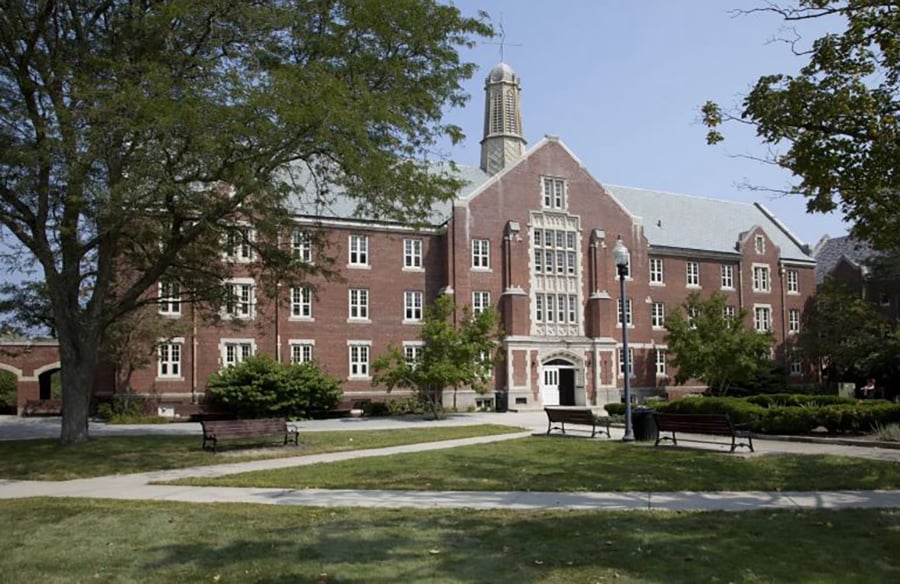
University of Connecticut – Best universities in the world for Masters in Project Management
In the realm of architectural education, the pursuit of a master’s degree in Project Management is a strategic choice for those seeking to marry design acumen with efficient execution. The University of Connecticut emerges as a distinguished player in this arena, offering a comprehensive program that blends architectural creativity with effective project leadership. In this comprehensive guide, we delve into the facets that position the University of Connecticut as a prime choice among the world’s best universities for masters in Project Management.
Academic Eminence and Expert Faculty
At the heart of the University of Connecticut’s prowess in Project Management lies its commitment to academic excellence. The program is meticulously designed to equip students with a solid foundation in project planning, execution, and control. Renowned for its faculty composed of seasoned professionals and industry experts, the university ensures that students receive not only theoretical knowledge but also practical insights derived from real-world experiences.
The faculty’s diverse expertise enriches the learning experience, providing students with a holistic understanding of the complexities involved in managing architectural projects. From sustainable design principles to the intricacies of budgeting and scheduling, the curriculum at UConn prepares students for the multifaceted challenges of the architecture and project management landscape.
Cutting-Edge Research and Innovation Hub
UConn’s commitment to staying at the forefront of architectural innovation is evident in its robust research initiatives. The university serves as a hub for cutting-edge research in project management methodologies, allowing students to engage in transformative projects that contribute to the evolution of the architectural field.
The state-of-the-art research facilities at UConn provide students with a dynamic environment to explore emerging trends in project management. Whether it’s integrating technology for efficient project execution or exploring sustainable construction practices, students at UConn are at the forefront of shaping the future of architecture through innovative research.
Strategic Industry Collaborations and Networking
Situated in close proximity to major architectural and business hubs, the University of Connecticut leverages strategic industry collaborations to provide students with unparalleled networking opportunities. Students are not just confined to the classroom; they actively engage with professionals through internships, workshops, and collaborative projects that bridge the gap between academia and industry.
The university’s strong ties with architectural firms and project management professionals create a platform for students to gain real-world insights and establish connections that extend beyond graduation. This strategic networking approach positions UConn graduates as well-rounded professionals with a deep understanding of industry dynamics.
Holistic Curriculum Tailored for Success
The Project Management program at UConn stands out for its comprehensive curriculum, meticulously curated to encompass the diverse aspects of project leadership in architecture. From foundational courses in architectural project planning and risk management to advanced studies in design thinking and leadership, the curriculum is a blend of theoretical knowledge and practical application.
In addition to traditional coursework, UConn places a strong emphasis on hands-on learning. Students engage in real-world case studies, site visits, and collaborative projects, ensuring they are well-equipped to navigate the complexities of architectural project management upon graduation. The holistic approach to education fosters a deep understanding of the symbiotic relationship between design innovation and effective project execution.
Global Perspectives and Inclusivity
UConn takes pride in its diverse and inclusive community, attracting students from various cultural backgrounds. This diversity is reflected in the Project Management program, creating a rich learning environment where students gain insights into global architectural practices and project management strategies.
Collaborative projects and group activities are designed to foster cultural exchange and teamwork, preparing students for leadership roles in an increasingly globalized architectural landscape. Exposure to different perspectives not only enhances the learning experience but also equips graduates with the adaptability needed to thrive in diverse professional settings.
Cutting-Edge Facilities Fostering Creativity
To complement its innovative curriculum, the University of Connecticut invests significantly in cutting-edge facilities that inspire creativity and collaboration. Dedicated project management labs equipped with the latest software and tools provide students with hands-on experience in architectural project planning, visualization, and execution.
The campus itself is a testament to architectural excellence, blending modern design with a commitment to sustainability. Learning spaces are designed to encourage creativity, providing students with an environment that stimulates innovative thinking and problem-solving—an essential aspect of successful project management in the architectural realm.
Career Development and Alumni Success Stories
UConn’s commitment to student success extends beyond the academic realm. The university’s robust career development services assist students in navigating their career paths, connecting them with potential employers, and providing resources for professional growth.
The success of UConn graduates in the architectural and project management industry is a testament to the effectiveness of the university’s approach. Many alumni have risen to prominent positions in architectural firms, construction companies, and project management consultancies, showcasing the real-world impact of a UConn education.
Admissions: Gateway to Architectural Excellence
For those aspiring to embark on the transformative journey of earning a master’s degree in Project Management at the University of Connecticut, the admissions process is a crucial step. While specific requirements may vary, the university typically seeks candidates with a strong academic background, relevant work experience, and a passion for contributing to the evolving field of architectural project management.
Prospective students are encouraged to thoroughly review the official UConn admissions website for the latest information on application requirements, deadlines, and any additional materials needed for a comprehensive application.
Conclusion: Nurturing Architectural Leaders of Tomorrow
In conclusion, the University of Connecticut emerges as a beacon in the realm of architectural education, particularly in the domain of Project Management. Through its commitment to academic excellence, innovative research, strategic industry collaborations, and a holistic curriculum, UConn shapes students into visionary leaders prepared to navigate the complexities of architectural project management.
Prospective students looking to not only master the technical aspects of project management but also embrace the artistry of architectural design should consider the University of Connecticut as their gateway to a transformative educational experience. The fusion of academic rigor, industry engagement, and a global perspective positions UConn graduates at the forefront of shaping the future of architectural innovation and project leadership.