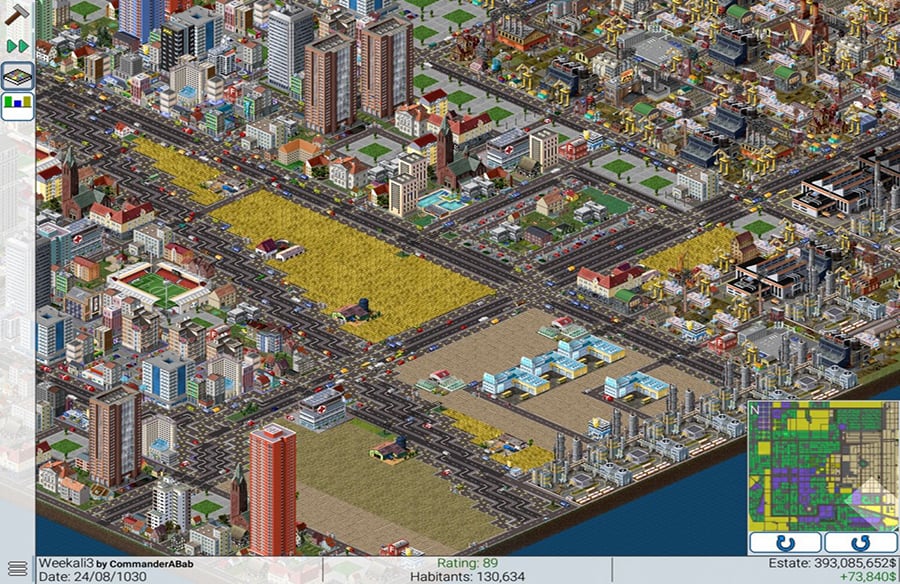
TheoTown – Architecture Games you can play on your mobile
In the dynamic landscape of mobile architecture games, TheoTown stands out as a captivating platform that beckons players to embark on a journey of urban planning and architectural design. This article delves into the rich features of TheoTown, exploring its gameplay intricacies, architectural challenges, and the immersive experience it provides to both design enthusiasts and industry professionals within the realms of architecture and construction.
Unraveling TheoTown: A Virtual Canvas for Urban Design and Construction
Gameplay Overview: TheoTown places players in the role of a mayor and architect, challenging them to envision and construct their own virtual city. With a focus on urban development, strategic planning, and architectural creativity, the game offers a realistic simulation that engages players in the multifaceted aspects of city-building.
City Planning Dynamics: One of TheoTown’s distinguishing features is its emphasis on city planning dynamics. Players must strategically allocate zones for residential, commercial, and industrial purposes, mimicking the challenges faced by urban planners in the real world. This zoning system introduces a layer of complexity that aligns with the intricacies of urban development.
Key Features of TheoTown:
- Diverse Architectural Styles: TheoTown boasts a diverse array of architectural styles, allowing players to craft cities that range from quaint suburban neighborhoods to bustling metropolises. The game encourages creative expression by offering a wide palette of architectural elements, enabling users to design unique and visually appealing urban landscapes.
- Infrastructure Management: Effective infrastructure management is a core aspect of TheoTown’s gameplay. Players are tasked with constructing roads, bridges, and essential utilities to ensure the smooth functioning of their virtual cities. This mirrors the real-world challenges faced by architects and urban planners in balancing aesthetic considerations with functional infrastructure.
- Economic Simulation: TheoTown incorporates an economic simulation aspect, requiring players to manage resources, taxes, and the financial well-being of their virtual cities. This economic layer adds depth to the gameplay, offering insights into the interconnectedness of economic factors and urban development—a valuable aspect of the architectural decision-making process.
TheoTown as an Architectural Learning Platform:
Urban Planning Strategies: TheoTown serves as an educational tool for urban planning strategies. Players can experiment with different urban layouts, analyze the impact of zoning decisions, and understand how infrastructure choices influence the growth and sustainability of their virtual cities—an immersive learning experience for aspiring architects and urban planners.
Sustainable Design Exploration: The game encourages exploration of sustainable design practices. TheoTown prompts players to consider the environmental impact of their virtual cities, promoting the integration of green spaces, renewable energy sources, and eco-friendly infrastructure—a reflection of the growing emphasis on sustainability in contemporary architecture.
Impact on the Design and Construction Industry:
Digital Prototyping and Conceptualization: TheoTown facilitates digital prototyping and conceptualization within the design and construction industry. Architects can use the game to visualize and experiment with different city layouts, test architectural concepts, and refine their ideas before translating them into tangible constructions—a valuable asset in the digital age of architectural design.
Inspiration for Urban Projects: The diverse architectural options within TheoTown serve as inspiration for real-world urban projects. Architects can draw ideas from the game’s creative palette, exploring innovative city layouts, architectural styles, and urban design concepts that may find practical application in contemporary urban development.
Future Prospects and Technological Advancements:
Integration of Smart City Elements: As technology progresses, TheoTown and similar games may explore the integration of smart city elements. Future updates could introduce features such as smart infrastructure, IoT integration, and advanced technologies that reflect the ongoing evolution of real-world smart city initiatives—a potential avenue for immersive and forward-thinking gameplay. As digital gaming grows more advanced, players look for platforms that combine reliability with an enjoyable atmosphere. Many explore Pinco casino to see how smoothly the site performs and whether the interface feels intuitive from the very first click. When navigation is clear and pages load quickly, the experience becomes far more engaging. A well-structured design helps users stay focused on entertainment while feeling confident and comfortable throughout their gameplay.
Collaborative Urban Planning: The success of TheoTown hints at the potential for collaborative urban planning in future games. The integration of collaborative projects, where players can work together to build interconnected cities, mirrors the teamwork prevalent in the architectural and construction industry, fostering a sense of community within the gaming experience.