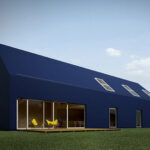
The Zig-Zag House, United States – Architectural projects made out of recycled materials
In the realm of architectural innovation, the Zig-Zag House stands as a testament to the creative fusion of sustainability and design. Nestled in the United States, this architectural gem showcases the possibilities of constructing remarkable structures using recycled materials. This article delves into the intricacies of the Zig-Zag House, exploring its design, construction, and the broader implications it carries for sustainable architecture.
Design Concept: Harmonizing Form and Function
The Zig-Zag House, conceptualized by renowned architects, emerges as a distinctive masterpiece in sustainable architecture. The design ethos revolves around maximizing both form and function while incorporating recycled materials seamlessly. The angular structure of the house not only lends it a visually captivating appeal but also serves a functional purpose, optimizing natural light and ventilation.
Innovative Use of Recycled Materials
At the core of the Zig-Zag House lies a commitment to environmental responsibility. The architects meticulously selected recycled materials, demonstrating that sustainable construction can be aesthetically pleasing. Salvaged wood, reclaimed metal, and recycled glass find purpose in creating a dwelling that not only minimizes its ecological footprint but also pushes the boundaries of architectural expression.
Construction: Melding Tradition with Innovation
The construction process of the Zig-Zag House mirrors a delicate dance between tradition and innovation. Skilled craftsmen employed time-honored techniques to work with the recycled materials, showcasing the seamless integration of sustainability into the construction industry.
Challenges and Solutions
Undoubtedly, constructing a house primarily from recycled materials presented its set of challenges. The architects, however, adeptly navigated these hurdles, employing innovative solutions to ensure structural integrity and durability. Rigorous testing and adherence to industry standards underscored the commitment to creating a sustainable dwelling without compromising on safety or longevity.
Sustainable Features: A Green Oasis
The Zig-Zag House not only stands out for its architectural prowess but also for its myriad sustainable features. From energy-efficient lighting to rainwater harvesting systems, every aspect of the house embodies eco-friendly living. Solar panels adorn the roof, harnessing the power of the sun to meet a significant portion of the household’s energy needs, further solidifying the residence’s commitment to sustainability.
Environmental Impact
Quantifying the environmental impact of the Zig-Zag House unveils a compelling narrative. The use of recycled materials significantly reduced the demand for virgin resources, lowering carbon emissions associated with traditional construction. The incorporation of energy-efficient systems further contributes to a reduced ecological footprint, setting a precedent for future architectural endeavors.
Reception and Recognition: A Beacon of Inspiration
Since its completion, the Zig-Zag House has garnered widespread recognition within the architectural community and beyond. The design has been celebrated for its innovative approach, earning accolades and awards that highlight its contribution to sustainable living and architectural excellence.
Public Engagement
The Zig-Zag House extends its influence beyond its physical boundaries through public engagement initiatives. Tours, workshops, and educational programs hosted by the architects allow the public to appreciate the marriage of design and sustainability. This outreach fosters a deeper understanding of the possibilities inherent in recycled materials and encourages a broader adoption of sustainable practices.
Future Implications: Paving the Way for Sustainable Architecture
The Zig-Zag House serves as a beacon, illuminating the path for future architectural projects. Its success underscores the feasibility and desirability of sustainable design, challenging the industry to embrace environmentally conscious practices. As cities worldwide grapple with issues of climate change and resource depletion, the Zig-Zag House stands as a symbol of hope and inspiration.
Influence on Industry Practices
The impact of the Zig-Zag House extends beyond its immediate design and locale. Architects, builders, and developers globally are taking note of the project’s success, prompting a shift towards more sustainable practices. The incorporation of recycled materials in construction is becoming a prevalent trend, marking a paradigm shift in the industry’s approach to environmental responsibility.
Conclusion: A Paradigm of Sustainable Ingenuity
In conclusion, the Zig-Zag House in the United States stands as a paradigm of sustainable ingenuity in architecture. From its innovative design concept to the meticulous construction using recycled materials, every facet of this project radiates a commitment to environmental responsibility. As the world grapples with the challenges of a rapidly changing climate, the Zig-Zag House serves as a beacon, showcasing that sustainable living is not just a choice but a necessity that can be seamlessly integrated into the fabric of modern architecture.