The Vital Role of Landscape – Things to remember while designing in Hot & Humid climate
In hot and humid climates, the landscape plays a pivotal role in shaping the microclimate and enhancing the overall livability of outdoor and indoor spaces. Recognizing the significance of landscape design is essential for creating harmonious and comfortable environments.
Mitigating Heat Through Thoughtful Landscape Planning
Shade and Shelter
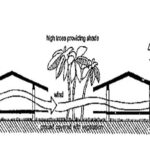
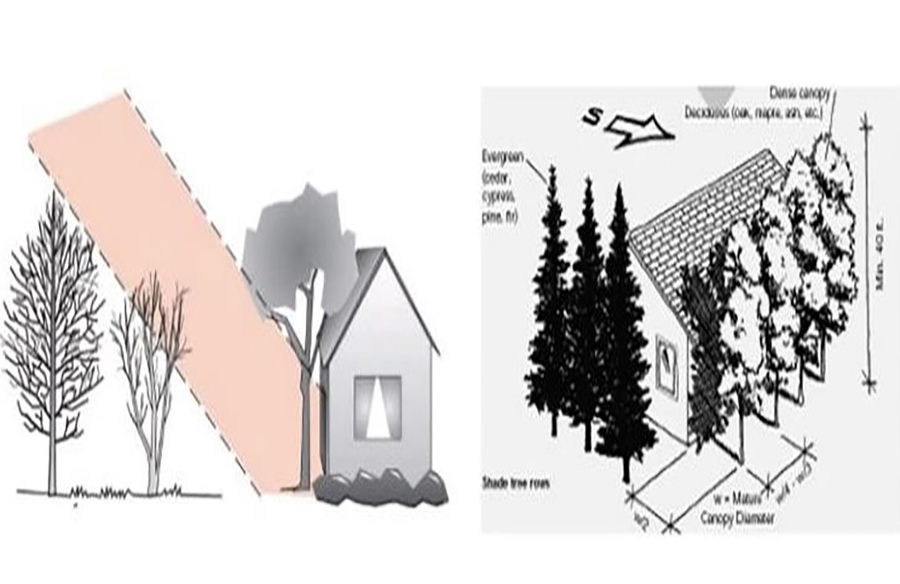
Strategic placement of trees, pergolas, and trellises provides much-needed shade, reducing direct sunlight exposure to surfaces and structures. This minimizes heat absorption and creates cooler outdoor areas, serving as retreats from the scorching sun.
Greenery for Thermal Comfort
Integrating greenery, such as vegetation and lawns, aids in temperature moderation. Evapotranspiration from plants cools the surrounding air, contributing to a more pleasant outdoor environment.
Managing Humidity Levels with Landscape Design
Water Features for Humidity Control
Incorporating water elements, like fountains or ponds, helps in moisture moderation. Water features aid in evaporative cooling, balancing humidity levels and counteracting the effects of excessive moisture in the air.
Plant Selection for Humidity Absorption
Carefully selecting plants that thrive in hot and humid conditions assists in humidity absorption. Plants with high transpiration rates help regulate humidity by absorbing moisture from the air.
Design Considerations for Effective Landscape in Hot and Humid Climates
Indigenous Planting
Utilizing native plants and vegetation suited to the climate ensures better adaptation and resilience to local conditions. Indigenous flora requires less maintenance and irrigation, contributing to sustainable landscape design.
Microclimate Creation
Designing microclimates within outdoor spaces optimizes comfort. Creating shaded seating areas or pockets of greenery enhances the microclimate, offering cool respites amid the heat.
Benefits Beyond Temperature Regulation
Aesthetic Enhancement
Landscape design in hot and humid climates contributes to aesthetic appeal. Thoughtfully curated green spaces, gardens, and hardscapes elevate the visual appeal of outdoor areas.
Biodiversity and Ecological Balance
Diverse landscaping supports biodiversity and ecological balance. Well-designed landscapes attract beneficial wildlife, promote soil health, and contribute to the local ecosystem.
Sustainable and Functional Landscapes
Water Conservation Measures
Implementing water-wise irrigation systems and employing drought-resistant landscaping practices conserve water. These measures align with sustainable practices and reduce the strain on local water resources.
Low-Maintenance Landscaping
Opting for low-maintenance landscapes reduces resource consumption. Using native plants and minimizing turf areas reduce the need for excessive watering and upkeep.
Collaborative Approach for Effective Landscape Design
Collaboration Among Design Disciplines
Architects, urban designers, landscape architects, and interior designers should collaborate to integrate effective landscape design strategies. Embracing a holistic approach enhances the functionality and aesthetic appeal of spaces.
Action for Optimized Landscape Design
Implementing Sustainable Landscapes
Adopt sustainable landscaping practices in projects for hot and humid climates. Collaborate with landscape professionals to create functional, aesthetically pleasing, and environmentally conscious outdoor spaces.
Embrace Effective Landscape Design Today
Incorporating landscape design tailored to hot and humid climates enriches the livability and sustainability of spaces. Engage with experts to integrate landscape solutions that optimize comfort, aesthetics, and environmental stewardship.