The Merdeka Palace, Indonesia – World’s Largest Office Buildings
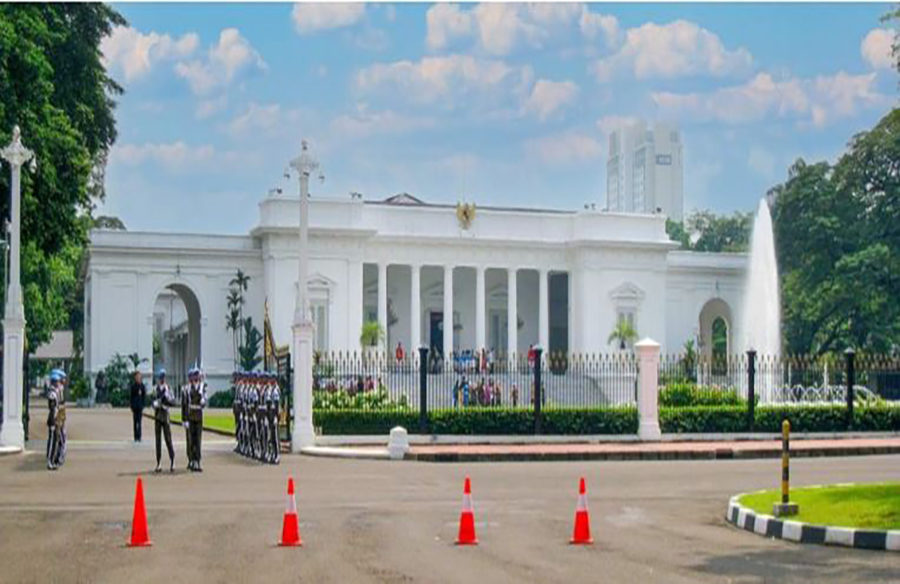
The Merdeka Palace, IndonesiaIndonesia, a nation of diverse cultures and rich history, proudly boasts the iconic Merdeka Palace, a monumental structure that stands as a symbol of the country’s sovereignty. This article delves into the intricate details of this architectural marvel, exploring its history, typology, uses, and the profound impact it has on the urban fabric of Jakarta.
Historical Significance
The Genesis of Merdeka Palace
Built during the Dutch colonial era in the early 19th century, Merdeka Palace has undergone significant transformations, mirroring Indonesia’s journey from colonization to independence. Originally known as the Paleis te Koningsplein, it served as the residence for the Dutch governor-general. Following Indonesia’s declaration of independence in 1945, the palace became the official residence of the President of the Republic of Indonesia.
Architectural Marvels
Design and Architecture
Designed by the famed Dutch architect Jacob F. Klinkhamer, the Merdeka Palace showcases a blend of architectural styles. The initial neoclassical design was later infused with elements of Indonesian culture, resulting in a unique synthesis. The building’s facade, adorned with intricate detailing and symbolic elements, reflects the nation’s unity in its diversity.
Interior Design
The interior of Merdeka Palace is a testament to meticulous craftsmanship and cultural representation. Each room tells a story through its design, incorporating traditional Indonesian motifs and artistry. The Presidential Reception Room, for instance, features exquisite Indonesian woodwork, offering a visual narrative of the nation’s craftsmanship.
Urban Planning and Design
Integration with Jakarta’s Urban Fabric
Merdeka Palace stands at the heart of Jakarta, serving as a pivotal element in the city’s urban design. Surrounded by vast lawns and gardens, the palace integrates seamlessly with the surrounding landscape. The strategic placement of the palace reflects careful urban planning, ensuring a harmonious coexistence with the city’s infrastructure.
Typology and Functionality
The palace serves multiple functions, acting not only as the official residence of the President but also as a venue for state events, ceremonies, and official meetings. Its diverse typology encompasses residential, ceremonial, and administrative spaces, each designed to fulfill a specific purpose.
The Functionality of Merdeka Palace
Administrative Spaces
Merdeka Palace houses a myriad of administrative spaces, including offices, meeting rooms, and conference halls. These spaces facilitate the governance process, providing a centralized location for the nation’s leadership to conduct official business.
Residential Quarters
Beyond its administrative functions, the palace incorporates residential quarters for the President and their family. These living spaces are designed to provide comfort while maintaining the dignity and grandeur befitting the head of state.
Ceremonial Spaces
The palace’s ceremonial spaces, such as the Grand Ballroom and the Independence Room, play a crucial role in hosting state functions, diplomatic events, and national celebrations. The design of these spaces is a meticulous balance between cultural representation and functional elegance.
Calls to Action
Explore the Rich History
For architecture enthusiasts and history buffs alike, a visit to Merdeka Palace is a must. Guided tours provide an in-depth exploration of the architectural nuances and historical significance embedded in every corner of this majestic structure.
Attend Cultural Events
Keep an eye on the palace’s event calendar for cultural festivals, art exhibitions, and performances. Merdeka Palace often serves as a venue for showcasing Indonesia’s vibrant arts and culture scene.
Stay Informed on Architectural Initiatives
As a symbol of national pride, Merdeka Palace reflects Indonesia’s commitment to architectural excellence. Stay informed about upcoming architectural initiatives and projects that contribute to the nation’s urban development.
Conclusion
In the heart of Jakarta stands the Merdeka Palace, a living testament to Indonesia’s journey from colonial rule to a sovereign nation. Its architectural grandeur, rich history, and multifaceted functionality make it a pivotal landmark in the nation’s capital. As Indonesia continues to evolve, so does the role of Merdeka Palace, serving as a symbol of unity and progress for generations to come. Explore the architectural tapestry of Indonesia through the lens of Merdeka Palace, where history and design converge in a majestic display of national identity.