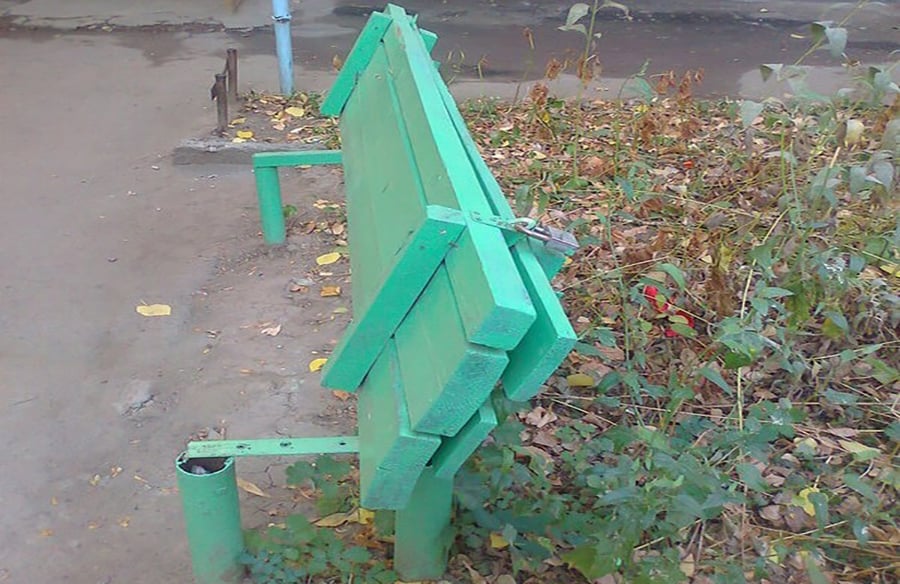
The Locked Bench in Volgodonsk, Russia – Examples of Hostile Architecture around the World
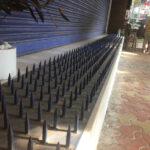
In the cityscape of Volgodonsk, Russia, a peculiar architectural challenge unfolds through the presence of locked benches—a phenomenon that raises questions about the accessibility and inclusivity of public spaces. This article delves into the distinctive characteristics of these locked benches, explores their impact on urban dynamics, and investigates the architectural considerations that contribute to their existence in the city.
The Enigma of Locked Benches
Locked benches, once seen as straightforward elements of public seating, have taken an unexpected turn in Volgodonsk. These benches, equipped with locking mechanisms, pose a unique set of challenges, inviting a closer look at the factors contributing to their implementation and the consequences for urban environments.
Restricting Access
The primary feature of locked benches is their deliberate restriction of access. These benches are equipped with mechanisms that prevent individuals from using them, raising questions about the intent behind such design choices and their implications for the city’s public spaces.
Architectural Considerations: Balancing Design and Security
Volgodonsk’s architects grapple with the dual objectives of creating aesthetically pleasing public spaces while addressing concerns related to security and anti-social behavior. Understanding the architectural considerations that lead to locked benches sheds light on the broader context of urban planning in the city.
Anti-Lingering Measures
One key architectural consideration is the implementation of anti-lingering measures. Locked benches are strategically placed in areas where lingering or loitering is perceived as undesirable. This intentional design choice aims to deter certain activities and maintain a sense of order in public spaces.
Contextual Security Concerns
Locked benches often emerge in areas where security concerns are heightened. Architects take into account the specific context of each location, considering factors such as crime rates, public safety, and community feedback in their decision to incorporate locking mechanisms.
Statistical Insights: Examining the Impact
Statistical data provides valuable insights into the impact of locked benches on urban dynamics, shedding light on their effectiveness in addressing security concerns and the potential consequences for community engagement.
Reduction in Anti-Social Behavior
Cities that have implemented locked benches report a reduction in anti-social behavior in the surrounding areas. The intentional design strategy disrupts the conditions that often lead to undesirable activities, contributing to a safer urban environment.
Community Perceptions
Data indicates a shift in community perceptions following the installation of locked benches. Residents often report feeling safer and more comfortable using public spaces where anti-lingering measures are in place, attributing these positive changes to the visible impact of the design interventions.
Community Engagement and Public Discourse
The implementation of locked benches prompts community engagement and fuels public discourse on the balance between security measures and the creation of inclusive public spaces.
Community Feedback Sessions
Architects actively engage with local communities through feedback sessions to understand the impact of locked benches on residents’ daily lives. These sessions contribute to ongoing discussions about the trade-offs between security concerns and the need for welcoming public spaces.
Advocacy for Inclusive Design
Public discourse often leads to advocacy for more inclusive design practices. Community members may express concerns about the visual impact of locked benches and advocate for alternative security measures that do not compromise the accessibility of public spaces.
Designing for Inclusivity: Exploring Alternatives
The challenge posed by locked benches prompts architects to explore alternative design solutions that prioritize inclusivity without compromising security.
Surveillance Technology Integration
One alternative involves the integration of surveillance technology to address security concerns. Architects explore the use of smart cameras and sensors that can detect and deter anti-social behavior without the need for physical barriers.
Community Policing Initiatives
Collaborative efforts with local law enforcement and community policing initiatives offer an alternative approach to addressing security concerns. Architects work with authorities to design public spaces that are actively monitored, fostering a sense of safety without resorting to locked benches.
Future Trajectories in Urban Security and Design
The success and challenges associated with locked benches in Volgodonsk prompt reflections on future trajectories in urban security and design. Architects explore new possibilities to create environments that balance safety, inclusivity, and aesthetic appeal.
Advancements in Surveillance Technology
As technology continues to advance, architects explore the integration of more sophisticated surveillance technology. Artificial intelligence and machine learning algorithms are employed to enhance the efficiency of security measures without compromising accessibility.
Designing for Social Interaction
Future trajectories in urban design prioritize creating spaces that encourage positive social interaction. Architects explore designs that foster community engagement and inclusivity, recognizing the role of public spaces in enhancing the overall quality of urban life.
Conclusion: Striking a Balance
Locked benches in Volgodonsk represent a nuanced response to the complex interplay between security concerns and the creation of inclusive public spaces. As the city evolves, architects play a pivotal role in navigating the challenges posed by such design choices, fostering community engagement, and shaping urban environments that strike a balance between safety and accessibility.
The lessons learned from locked benches become a source of inspiration for architects globally, highlighting the importance of thoughtful design strategies and the ongoing dialogue between architects, communities, and authorities. Through adaptive and inclusive design choices, architects contribute to the narrative of urban resilience, creating cities that are both secure and welcoming, responsive to the dynamic needs and aspirations of their diverse communities.