The Handicraft Industry – Role and Importance of Indian Handicraft Industry
In the realm of design, construction, and architecture, the Indian Handicraft Industry stands as a testament to the marriage of tradition and contemporary creativity. This vibrant sector not only showcases the artistic prowess of skilled craftsmen but also plays a pivotal role in the economic landscape. In this article, we delve into the present-day scenario of the Handicraft Industry in India, exploring its multifaceted roles and highlighting its significant impact.
The Historical Tapestry: Unraveling the Roots
Before delving into the contemporary landscape, it is imperative to appreciate the historical tapestry that laid the foundation for the flourishing Handicraft Industry in India. Rich in diversity and steeped in cultural heritage, Indian handicrafts date back centuries, reflecting the country’s intricate craftsmanship and artistic finesse.
Economic Catalyst: Driving Growth and Employment
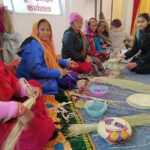
The Handicraft Industry in India has emerged as a substantial contributor to the country’s economic growth. With a vast array of traditional and contemporary artifacts, this sector has become a powerhouse, generating employment and fostering entrepreneurial spirit. According to recent statistics, the Indian Handicraft Industry employs millions of skilled artisans, providing livelihoods to both urban and rural communities.
Artistry Meets Commerce: The Global Perspective
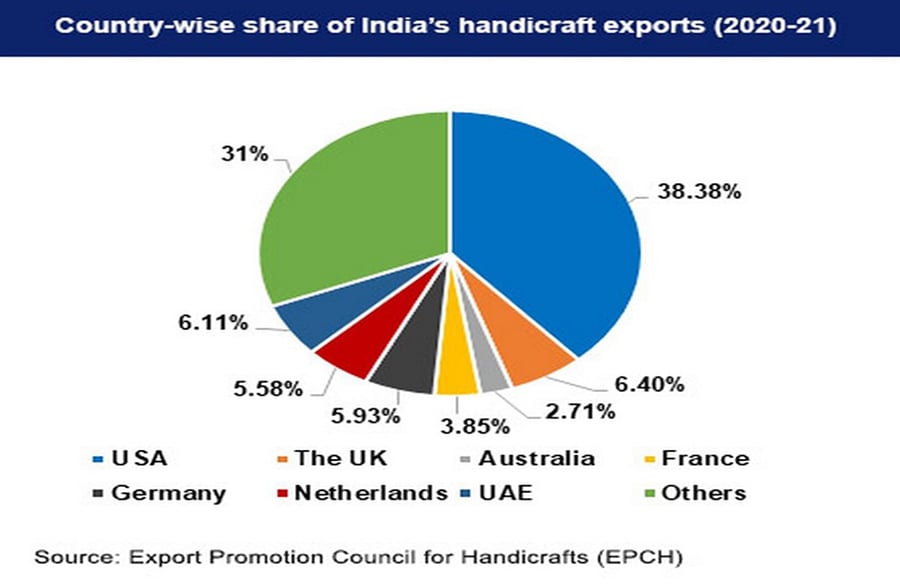
In today’s interconnected world, the Indian Handicraft Industry has transcended geographical boundaries, gaining international acclaim. Exquisite handwoven textiles, intricate pottery, and ornate metalwork are finding their way into homes and galleries worldwide. The global appreciation for Indian handicrafts not only bolsters the country’s cultural image but also contributes significantly to its export revenue.
Challenges and Resilience: Navigating the Modern Landscape
Despite its undeniable importance, the Handicraft Industry faces several challenges in the contemporary era. Mass production, technological advancements, and changing consumer preferences pose threats to traditional craftsmanship. However, the industry has exhibited remarkable resilience, adapting to modern demands while preserving the authenticity of its craft.
Sustainable Practices: Crafting a Greener Future
As sustainability takes center stage in the architecture and design industries, the Handicraft Industry in India is not lagging behind. Many artisans and craftsmen are embracing eco-friendly materials and practices, aligning their creations with the principles of environmental consciousness. This shift not only addresses contemporary concerns but also positions Indian handicrafts as ethical and sustainable choices in the global market.
Government Initiatives: Nurturing Artistic Heritage
Recognizing the significance of the Handicraft Industry, the Indian government has implemented various initiatives to support and promote this sector. Financial incentives, skill development programs, and participation in international trade fairs are among the measures aimed at empowering artisans and boosting the industry’s growth.
Digital Age Artisans: Leveraging Technology for Tradition
In an era dominated by digitalization, the Handicraft Industry is not untouched by technological advancements. Artisans are leveraging online platforms to showcase their creations, reaching a broader audience and eliminating traditional market constraints. E-commerce platforms dedicated to handicrafts have opened new avenues for artisans, connecting them directly with consumers around the globe.
Reviving Traditional Crafts: A Cultural Renaissance
In the wake of globalization, there is a growing appreciation for preserving and reviving traditional crafts. Architects and designers are increasingly integrating handmade artifacts into contemporary spaces, creating a seamless blend of tradition and modernity. This revival not only celebrates cultural diversity but also ensures the survival of endangered crafts.
The Ripple Effect: Impact on Tourism and Local Economies
The Handicraft Industry acts as a cultural ambassador, attracting tourists seeking authentic experiences. Handicraft-centric tourism has witnessed a surge, with visitors eager to explore the craftsmanship behind each artifact. This influx of tourism not only boosts local economies but also fosters a sense of pride and preservation within artisan communities.
Conclusion: A Tapestry of Tradition and Innovation
In conclusion, the Indian Handicraft Industry stands at the intersection of tradition and innovation, weaving a tapestry that reflects the rich cultural heritage of the country. As a catalyst for economic growth, a global cultural ambassador, and a bastion of sustainability, this industry continues to evolve, embracing the challenges of the modern era while staying true to its roots. In the dynamic landscape of design, construction, and architecture, the Handicraft Industry remains an invaluable thread, connecting the past with the present and charting a course for a vibrant and culturally rich future.