Mobile Homes in Modern Residential Design – Thesis topics related to Residential Design
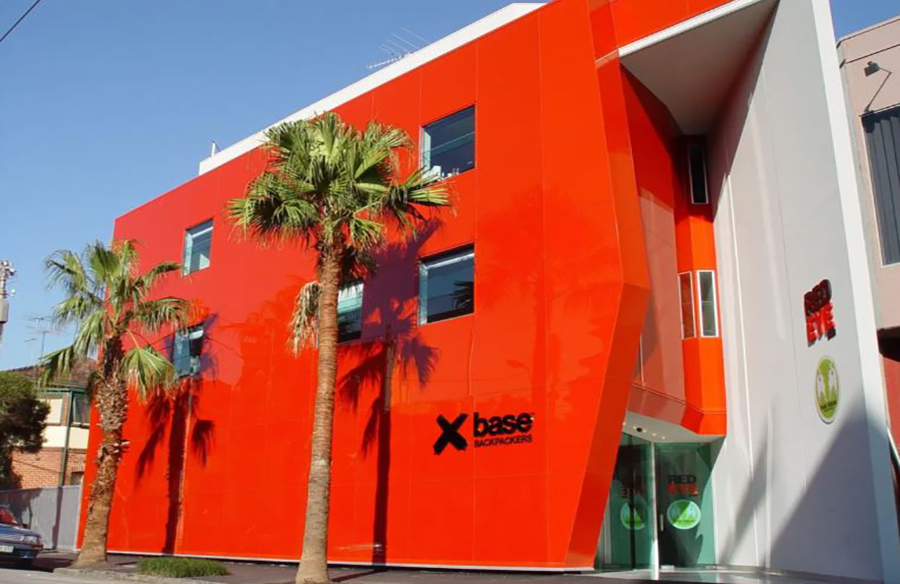
Hostels, once perceived as budget accommodations primarily catering to travelers, have undergone a profound transformation in the realm of residential design. Today, they stand not just as cost-effective lodging options but as innovative spaces that blend functionality, community, and modern aesthetics.
Historical Roots and Evolution
The roots of hostels can be traced back centuries, often associated with providing affordable lodging for travelers, students, and individuals seeking communal living spaces. Over time, their purpose and design have evolved significantly to meet the changing needs and preferences of residents.
Modern Hostel Architecture
Contemporary hostel architecture has shifted the paradigm of communal living. Architects and designers are reimagining these spaces to offer more than just a place to sleep. They focus on creating vibrant, multi-functional environments that foster community engagement, social interaction, and cultural exchange among residents.
Sustainable Design Practices
In recent years, sustainability has emerged as a core principle in hostel design. Architects are integrating eco-friendly materials, energy-efficient systems, and innovative waste management solutions to minimize environmental impact. Hostels are becoming showcases of sustainable living, inspiring residents and setting benchmarks for environmentally conscious design.
Spatial Efficiency and Flexible Design
The utilization of space is a critical aspect of hostel design. Architects employ clever spatial planning, multifunctional furniture, and adaptable layouts to maximize the utility of every square foot. This emphasis on spatial efficiency allows for comfortable living areas within compact spaces, catering to the needs of modern residents.
Technology Integration
The integration of technology has revolutionized the hostel experience. From keyless entry systems to smart room controls, technology plays a pivotal role in enhancing convenience, security, and connectivity for residents. High-speed internet access and communal workspaces cater to the digital lifestyle of today’s generation.
Cultural Integration and Community Engagement
Hostels have become hubs for cultural exchange and community engagement. Architects design communal spaces that encourage interaction, collaboration, and the sharing of experiences among residents from diverse backgrounds. Events, workshops, and common areas foster a sense of belonging and connectivity within the hostel community.
Challenges and Innovations
Challenges persist in hostel design, including balancing privacy with communal living, addressing noise concerns, and meeting regulatory standards. However, these challenges have spurred innovative solutions. Architects experiment with soundproofing techniques, pod-style accommodations, and creative zoning to address these issues while preserving the essence of hostel living.
Future Trends in Hostel Design
The future of hostel design looks promising, with a focus on further enhancing sustainability, fostering wellness initiatives, and incorporating biophilic design elements. Concepts like co-living spaces, wellness-focused amenities, and adaptive reuse of existing structures are anticipated to shape the evolution of hostels in the coming years.
Conclusion
The evolution of hostels from basic lodging to dynamic communal living spaces exemplifies the transformative power of architectural design. As architects continue to push boundaries, integrating sustainability, technology, and community-centric approaches, hostels are poised to redefine residential living for the modern era.
In conclusion, hostels stand as testaments to the convergence of innovation, community, and design excellence in the residential landscape. They embody not just a place to stay but a lifestyle that celebrates diversity, sustainability, and human connectivity—an embodiment of the future of residential design.