The Economic Hub of the Area – Facts about The Oculus NYC -Transportation Hub
In the realm of architecture, few structures embody the intersection of functionality, innovation, and economic significance as profoundly as the Oculus. This architectural marvel, with its distinctive design and multifaceted purpose, stands as a testament to the evolving landscape of urban spaces and their pivotal role in economic development. In this comprehensive exploration, we delve into the profound impact of the Oculus on urban economics, unraveling the intricacies that make it a symbol of architectural prowess and a catalyst for economic growth.
Understanding the Oculus: A Fusion of Form and Function
The Architectural Symphony – Design and Purpose
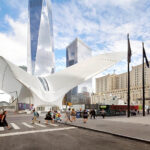
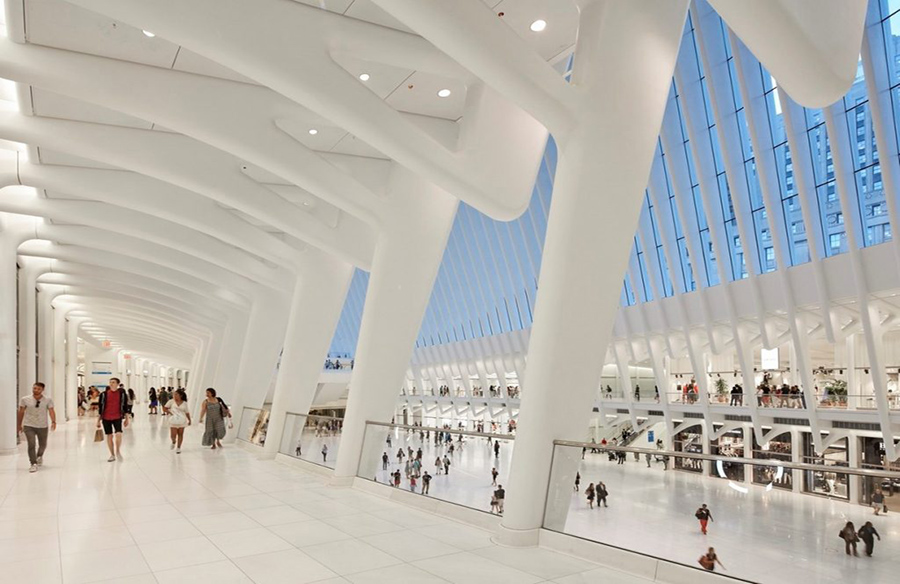
The Oculus, officially known as the World Trade Center Transportation Hub, is an architectural masterpiece nestled in the heart of Lower Manhattan, New York City. Designed by the renowned architect Santiago Calatrava, this structure seamlessly integrates form and function, serving both as a transportation hub and a symbol of rebirth after the tragic events of 9/11.
A Gateway to Progress – The Economic Significance
Beyond its aesthetic appeal, the Oculus plays a pivotal role in shaping the economic landscape of the surrounding area. The integration of transportation facilities, commercial spaces, and public areas creates a dynamic environment that attracts businesses, tourists, and residents alike. This symbiotic relationship between architectural innovation and economic activity underscores the transformative power of well-designed urban spaces.
Oculus as an Economic Catalyst: Unveiling the Dynamics
Infrastructure Boost – Connecting Communities
One of the primary functions of the Oculus is to serve as a transportation hub, connecting various modes of transit seamlessly. With connections to multiple subway lines, PATH trains, and proximity to major roadways, the Oculus acts as a nexus, facilitating the smooth flow of people in and out of the area. This accessibility not only enhances the quality of life for residents but also attracts businesses seeking well-connected locations.
Commercial Epicenter – The Oculus Effect
The Oculus stands tall as a commercial hub, housing a diverse array of retail spaces, dining establishments, and cultural venues. Its strategic location at the World Trade Center site amplifies its appeal, drawing in a constant stream of visitors, from commuters to tourists. The economic vibrancy generated by the commercial activities within the Oculus radiates outward, contributing to the overall prosperity of the surrounding area.
Real Estate Renaissance – A Magnet for Development
The presence of the Oculus has sparked a real estate renaissance in its vicinity. Property values have surged, and new developments have emerged, transforming the once somber landscape into a thriving urban center. This influx of investment and development not only enhances the visual appeal of the area but also solidifies its status as an economic powerhouse.
Educational Significance: Inspiring the Architects of Tomorrow
Architectural Pedagogy – Learning from Oculus
For students of architecture, the Oculus serves as an invaluable case study in the integration of design principles and functionality. Its innovative use of materials, emphasis on natural light, and attention to spatial dynamics provide a rich tapestry of lessons for aspiring architects. Studying the Oculus offers insights into the harmonious coexistence of form and function in creating structures that stand the test of time.
Urban Planning Paradigm – Lessons for Future Architects
Architects, as the visionaries behind urban landscapes, find inspiration in the Oculus’s role in reshaping Lower Manhattan. The thoughtful urban planning that blends transportation, commerce, and public spaces sets a precedent for future architectural endeavors. Aspiring architects can draw profound lessons from the Oculus, understanding the role of their creations in fostering economic growth and community well-being.
The New York Example: Oculus in Action
Case Study – Oculus in the New York Context
To illustrate the economic impact of the Oculus, let’s delve into the New York example. Since its inauguration in 2016, the Oculus has become a focal point of Lower Manhattan’s resurgence. The influx of businesses, tourists, and residents has revitalized the area, turning it into a thriving economic hub.
Tourist Magnet – Drawing Global Attention
The Oculus’s striking architecture has transformed it into a tourist attraction in its own right. The influx of visitors, both local and international, has boosted the local economy through increased tourism-related activities. The adjacent Westfield World Trade Center Mall, seamlessly integrated into the Oculus structure, further enhances its allure as a shopping and dining destination.
Business Magnet – A Hub for Commerce
From global corporations to local startups, businesses have flocked to the vicinity of the Oculus. The convenient transportation links and the vibrant atmosphere created by the architectural marvel make it an ideal location for offices, retail outlets, and cultural institutions. The economic ripple effect extends beyond the Oculus itself, creating a network of prosperity in the surrounding area.
Conclusion: A Call to Action for Architects and Urban Planners
In conclusion, the Oculus stands not only as a physical embodiment of architectural brilliance but also as a dynamic force shaping the economic trajectory of its surroundings. Architects and urban planners, both students and professionals, should heed the lessons offered by the Oculus. The fusion of form and function, the seamless integration of diverse elements, and the resulting economic revitalization make it a beacon for future projects.
As we look toward the future of urban development, the Oculus serves as a call to action—a testament to the transformative power of thoughtful architecture. Whether in the classroom or the drafting room, architects can draw inspiration from the Oculus, creating spaces that not only captivate the eye but also catalyze economic growth and community development. As the Oculus continues to redefine Lower Manhattan, it stands as a shining example of the profound impact architecture can have on the economic hub of an area.