Tehran, Iran – Most Populated Cities in the World
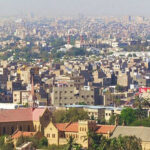
Tehran, the vibrant capital of Iran, stands at the crossroads of tradition and modernity, exemplifying architectural resilience and cultural richness. This article explores Tehran’s architectural landscape, highlighting its population dynamics, iconic structures, urban planning endeavors, and the city’s commitment to sustainable and innovative design.
Population Dynamics of Tehran
Balancing Growth and Livability
As one of the most populous cities globally, Tehran navigates the complexities of urban density by focusing on creating inclusive and livable spaces. Architects and urban planners in Tehran are dedicated to finding innovative solutions that accommodate a burgeoning population while preserving the city’s cultural and historical identity.
Architectural Diversity in Tehran
Synthesis of Tradition and Innovation
Tehran’s architectural diversity reflects its rich history and dynamic present. From the ancient grandeur of Golestan Palace to the contemporary elegance of Milad Tower, the city showcases a harmonious synthesis of tradition and innovation.
Sustainable Architecture Initiatives
Greening Tehran’s Future
Tehran places a strong emphasis on sustainable architecture, with projects like the Tabiat Pedestrian Bridge and the Mellat Park Cineplex leading the way. These initiatives underscore the city’s commitment to creating environmentally conscious urban spaces that prioritize energy efficiency and ecological responsibility.
Urban Planning and Zoning Strategies
Preserving Heritage in a Modern Context
Tehran’s urban planning strategies focus on preserving its architectural heritage while fostering modern development. Initiatives like the revitalization of Tehran Grand Bazaar and the Tehran Book Garden exemplify the city’s dedication to creating a balance between historical preservation and contemporary urban living.
Resilience in the Face of Urban Challenges
Innovative Solutions for Quality Living
Tehran addresses urban challenges, such as traffic congestion and limited space, with forward-thinking architectural solutions. The Tehran International Tower and the Darakeh Trails Park demonstrate how architects contribute to creating efficient, livable spaces that cater to the needs of a growing and diverse population.
Technological Integration in Tehran’s Architecture
Smart City Innovations
Tehran integrates technology into its architecture to enhance urban living. The Tehran International Exhibition Center and the Tabriz Residential Complex feature advanced technologies that contribute to sustainability, connectivity, and overall quality of life for Tehran’s residents.
Architectural Icons of Tehran
Azadi Tower
A symbol of Tehran’s modern identity, Azadi Tower stands as an iconic landmark, representing the city’s cultural pride and architectural prowess.
The National Jewelry Museum
Exemplifying Tehran’s historical significance, the National Jewelry Museum showcases a rich collection of cultural artifacts within a meticulously designed architectural space.
Tehran’s Future Architectural Landscape
As Tehran moves into the future, its architectural landscape is poised for transformative growth. Urban planners and architects envision a city where sustainability, resilience, and technological advancements converge to shape an architectural narrative that remains deeply rooted in cultural heritage.
Conclusion
In conclusion, Tehran, Iran, emerges as a city that seamlessly blends the echoes of its rich past with the aspirations of a dynamic future in its architectural tapestry. From the timeless elegance of Azadi Tower to the cultural treasure trove of the National Jewelry Museum, Tehran’s architectural journey reflects a commitment to cultural resilience, technological innovation, and sustainable urban development. As the city progresses, Tehran’s architectural landscape promises to be a captivating synthesis of tradition and forward-thinking design, solidifying its position as a global architectural hub and a cultural beacon in the Middle East.