Tate Modern Museum, London – Examples of Innovative Use of Natural Light in Architecture
The Tate Modern Museum in London stands as a testament to the seamless integration of architectural brilliance and the transformative power of natural light. This article explores the innovative use of natural light within the museum’s design, unraveling the statistical impact it has on both the visual aesthetics and functionality of this iconic cultural institution.
Historical Context:
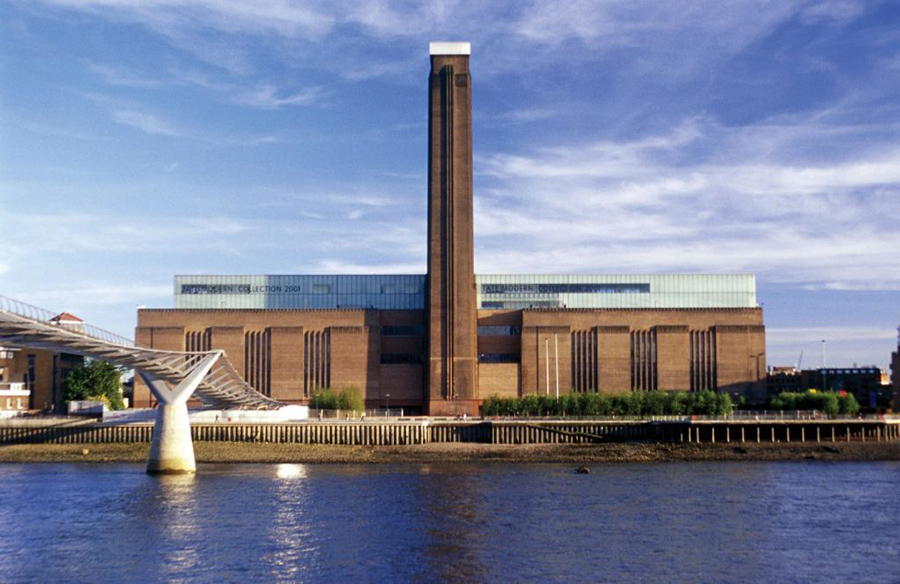
Repurposing Industrial Heritage Situated on the banks of the River Thames, the Tate Modern Museum is housed in a former power station, originally designed by Sir Giles Gilbert Scott. The transformation from an industrial powerhouse to a cultural hub began in the late 20th century, with architects Herzog & de Meuron leading the redevelopment efforts. The historical context of repurposing an industrial structure adds a unique layer to the museum’s architectural narrative.
Architectural Design:
The Turbine Hall as a Light-filled Nexus The Turbine Hall, a central feature of the Tate Modern, serves as a prime example of the innovative use of natural light. Spanning the length of the building, this colossal space has been transformed into an expansive exhibition area flooded with daylight. The architects strategically opened the roof, allowing sunlight to cascade into the hall, creating a dynamic interplay of light and shadow.
Striking Balance Between Light and Structure Herzog & de Meuron struck a delicate balance between preserving the industrial character of the power station and introducing elements that enhance the play of natural light. The architects designed perforated brickwork on the façade, filtering daylight into the galleries while maintaining a connection to the building’s heritage. This thoughtful integration showcases a harmonious blend of contemporary design and historical preservation.
Construction Techniques:
Innovative Roof Opening Mechanism The architects implemented an innovative solution for harnessing natural light in the Turbine Hall. A retractable roof mechanism was introduced, allowing the hall to be open to the sky during certain periods. This dynamic feature not only maximizes the intake of natural light but also offers flexibility in adapting the space for different exhibitions and events.
Optimizing Natural Light for Gallery Spaces Beyond the Turbine Hall, the Tate Modern’s gallery spaces benefit from carefully calibrated natural light. Clerestory windows and strategically positioned skylights contribute to the overall illumination of the galleries. The choice of materials also plays a crucial role, with light-colored surfaces and reflective finishes helping to distribute and amplify natural light throughout the museum.
Sustainability Impact:
Energy Efficiency Through Natural Light The Tate Modern’s commitment to sustainability is evident in its reliance on natural light to illuminate its spaces. By maximizing daylight, the museum significantly reduces its dependence on artificial lighting during daylight hours. This not only lowers energy consumption but aligns with contemporary architectural trends that emphasize environmental responsibility.
Balancing Conservation and Illumination Safeguarding artworks while optimizing natural light is a delicate balance, and the Tate Modern excels in achieving this equilibrium. Advanced glazing technologies and UV filtering ensure that the artworks are protected from excessive light exposure, allowing the museum to prioritize conservation without compromising the benefits of natural illumination.
User Experience:
Enhancing Visitor Engagement The strategic use of natural light within the Tate Modern enhances the overall visitor experience. The dynamic quality of light in the Turbine Hall, coupled with its adaptability for different exhibitions, creates a captivating environment for art enthusiasts. The interplay of light and architecture becomes an integral part of the immersive journey through the museum’s diverse collections.
Visual Connections with the Thames The Tate Modern’s location along the River Thames adds another layer to the visitor experience. Large windows offer panoramic views of the river, allowing natural light to stream into the museum while establishing a visual connection with the iconic London landscape. This integration of exterior views enhances the spatial quality of the interior, making the museum a dynamic and engaging space.