Sustainability – An Important Ingredient in the Mix – Mall Design
Sustainability has emerged as a pivotal aspect in the realm of architecture, influencing not only the design and construction of buildings but also shaping the future of our cities. In this article, we delve into the multifaceted role of sustainability as a crucial ingredient in the conceptual framework of architecture. From the principles guiding sustainable architecture to its impact on interior design, urban planning, and education, this exploration aims to provide architects and enthusiasts with a comprehensive understanding of the subject.
Principles of Sustainable Architecture
-
Integration of Renewable Resources
Sustainable architecture places a strong emphasis on utilizing renewable resources to minimize environmental impact. Architects are increasingly incorporating solar panels, wind turbines, and other green technologies to harness the power of nature, ensuring a harmonious coexistence between built structures and the environment.
-
Efficient Use of Space
The efficient use of space is a cornerstone of sustainable architecture. By optimizing spatial layouts, architects can reduce the overall footprint of a building, thereby minimizing its ecological footprint. This principle extends to both residential and commercial designs.
-
Sustainable Materials and Construction Techniques
Choosing eco-friendly materials and employing sustainable construction techniques are vital components of green architecture. This includes the use of recycled materials, responsibly sourced timber, and innovative construction methods that reduce waste and energy consumption.
Sustainability in Interior Design
-
Energy-Efficient Lighting and Appliances
In sustainable interior design, the focus extends beyond aesthetics to encompass energy efficiency. Architects and interior designers are integrating energy-efficient lighting solutions and appliances, contributing to a reduction in overall energy consumption within a space.
-
Indoor Air Quality
Sustainable interior design prioritizes the well-being of occupants. This involves selecting materials with low volatile organic compounds (VOCs) to enhance indoor air quality. Proper ventilation systems are also incorporated to ensure a healthy living or working environment.
-
Adaptive Reuse and Upcycling
A sustainable approach to interior design involves the creative reuse of existing structures and materials. Architects are increasingly exploring adaptive reuse and upcycling techniques, breathing new life into old spaces and reducing the demand for new resources.
Urban Design and Sustainability
-
Mixed-Use Development
Sustainable urban design encourages mixed-use development, creating communities where residential, commercial, and recreational spaces coexist. This approach reduces the need for extensive commuting, fostering a sense of community and minimizing the environmental impact of transportation.
-
Green Spaces and Biodiversity
Integrating green spaces and promoting biodiversity are integral aspects of sustainable urban design. Architects and urban planners are incorporating parks, rooftop gardens, and wildlife-friendly landscaping to enhance the ecological balance within urban environments.
-
Sustainable Transportation
Efficient and sustainable transportation systems are crucial for reducing the carbon footprint of cities. Urban designers are incorporating cycling lanes, pedestrian-friendly pathways, and efficient public transportation networks to promote sustainable mobility.
Sustainability in Architectural Education
-
Curriculum Integration
Architectural education is evolving to incorporate sustainability into its core curriculum. Students are exposed to the principles of green design, sustainable construction techniques, and the ethical considerations associated with environmentally conscious architecture.
-
Research and Innovation
Architectural education institutions are fostering research and innovation in sustainable practices. This includes exploring new materials, construction methods, and technologies that push the boundaries of eco-friendly architecture.
-
Collaborative Learning
Sustainability in architecture often involves collaboration between disciplines. Architectural education programs are promoting interdisciplinary collaboration, encouraging students to work with experts in environmental science, engineering, and other relevant fields to develop holistic solutions.
Typology of Sustainable Architecture: A Focus on Shopping Mall Design
-
Green Roofs and Facades
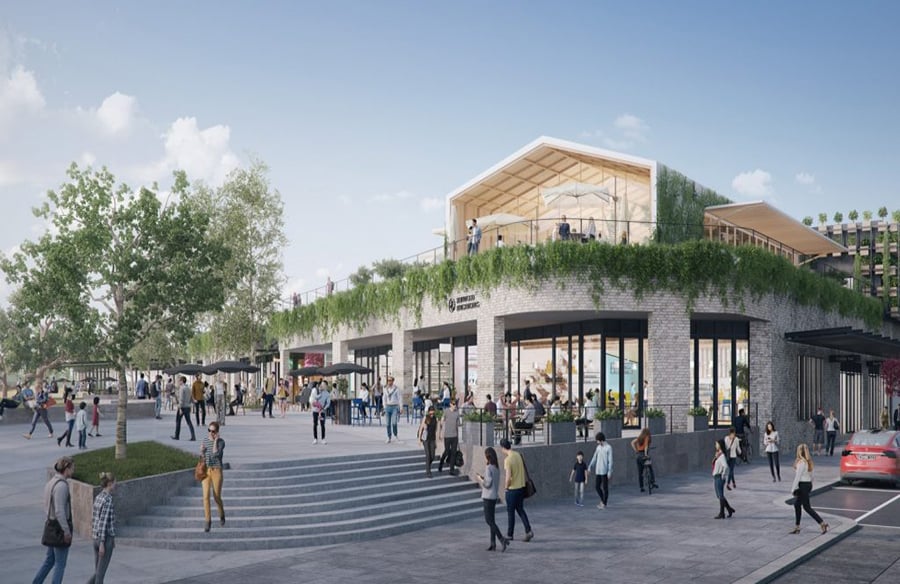
Incorporating green roofs and facades in shopping mall design is a sustainable strategy that enhances aesthetics while providing environmental benefits. These features contribute to insulation, reduce heat absorption, and promote biodiversity in urban settings.
-
Energy-Efficient Lighting and Climate Control
Shopping malls, known for their extensive energy consumption, can adopt sustainable lighting systems and climate control solutions. LED lighting, natural daylighting strategies, and energy-efficient HVAC systems contribute to reduced energy usage and operational costs.
-
Waste Management and Recycling Facilities
Sustainable shopping mall design includes robust waste management systems and recycling facilities. Incorporating spaces for collection, sorting, and recycling of waste materials ensures a responsible approach to resource utilization and waste reduction.
Case Study: Exemplifying Sustainable Shopping Mall Design
One notable example of sustainable shopping mall design is the “EcoPlaza.” Located in a bustling urban center, EcoPlaza incorporates cutting-edge sustainable features. The mall boasts a green roof with a diverse range of plant species, providing a serene escape for visitors while contributing to the local ecosystem.
Energy-efficient LED lighting is strategically placed throughout the mall, minimizing energy consumption without compromising on visual appeal. Additionally, EcoPlaza has implemented a comprehensive waste management system, partnering with local recycling initiatives to ensure responsible disposal of waste generated within the mall.
Architectural innovation is evident in the mall’s design, which maximizes natural ventilation and incorporates rainwater harvesting systems to meet water needs. EcoPlaza stands as a testament to the possibilities and benefits of integrating sustainability into shopping mall architecture.
Conclusion
In conclusion, sustainability has become a defining and essential ingredient in the conceptualization of architecture. From the principles guiding sustainable architecture to its impact on interior design, urban planning, and education, the influence of sustainability is far-reaching. Architects embracing this ethos are not only contributing to a greener future but are also shaping the way we live, work, and interact with our built environment. As we move forward, the integration of sustainability in architectural practices will play an increasingly pivotal role in creating resilient, efficient, and harmonious spaces for generations to come.