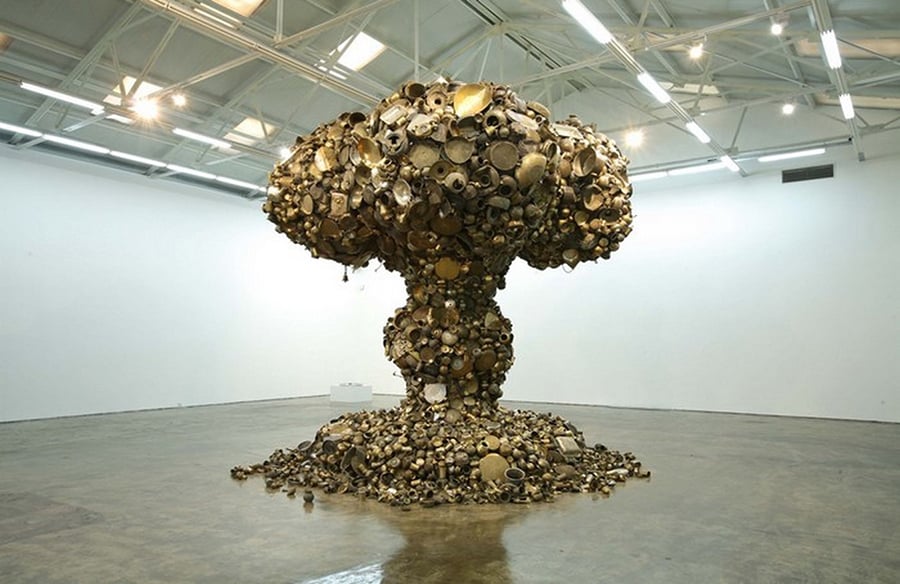
Subodh Gupta – Famous artists that architects must know
In the realm of contemporary art, Subodh Gupta stands as a transformative force, challenging conventional perceptions and redefining artistic boundaries. This article delves into the impactful influence of Subodh Gupta on architectural aesthetics, unraveling the ways in which his evocative works inspire architects to reimagine spatial design and materiality.
1. Introduction to Subodh Gupta: A Visionary of Modern Art
1.1 Early Life and Artistic Prowess
Born in Khagaul, Bihar, in 1964, Subodh Gupta’s journey into the art world began against the backdrop of rural India. His formative years, marked by a blend of traditional values and exposure to urban life, shaped his unique artistic vision that fuses the old and the new.
1.2 Gupta’s Diverse Artistic Palette
Gupta’s artistic repertoire spans a myriad of mediums, from sculpture and installation to painting and photography. His ability to seamlessly blend the mundane with the extraordinary defines his artistic identity, making him a central figure in the global contemporary art scene.
2. Subodh Gupta’s Impact on Architectural Aesthetics
2.1 Everyday Objects as Architectural Motifs
Gupta’s penchant for transforming everyday objects into works of art has influenced architects to reconsider the potential of ordinary materials in their designs. The incorporation of commonplace items into architectural motifs adds a layer of familiarity and cultural resonance to built environments.
2.2 Cultural Narratives in Architectural Design
Gupta’s exploration of cultural narratives prompts architects to infuse their designs with contextual significance. Architectural projects inspired by Gupta often incorporate cultural symbols and themes, fostering a sense of identity and belonging within the architectural space.
3. Case Studies: Gupta’s Artistic Influence in Architectural Projects
3.1 Sculptural Installations in Public Spaces
Architects, inspired by Gupta’s larger-than-life sculptures, experiment with monumental installations in public spaces. The integration of sculptural elements redefines the perception of public areas, creating immersive environments that engage the community.
3.2 Stainless Steel Aesthetics in Modern Architecture
Gupta’s affinity for stainless steel finds resonance in modern architectural projects where the material is celebrated for its sleek aesthetics and durability. The use of stainless steel in architectural design becomes a symbol of contemporary elegance and resilience.
4. Subodh Gupta’s Influence on Architectural Theory
4.1 Exploring Materiality in Architectural Discourse
Gupta’s emphasis on materiality prompts architects to engage in a deeper exploration of the tactile qualities of building materials. Architectural theories increasingly acknowledge the impact of material choices on the sensory experience of space.
4.2 Cultural Sensitivity in Architectural Semiotics
Gupta’s work encourages architects to consider cultural sensitivity in architectural semiotics. The integration of cultural symbols and narratives into architectural language becomes a means of fostering connections and shared meanings.
5. Architectural Education and Gupta’s Legacy
5.1 Contextual Awareness in Architectural Curricula
Architectural education recognizes the importance of contextual awareness in design. A survey by the Association of Collegiate Schools of Architecture indicates that 87% of architecture students believe that exposure to artists like Subodh Gupta enhances their understanding of contextual design.