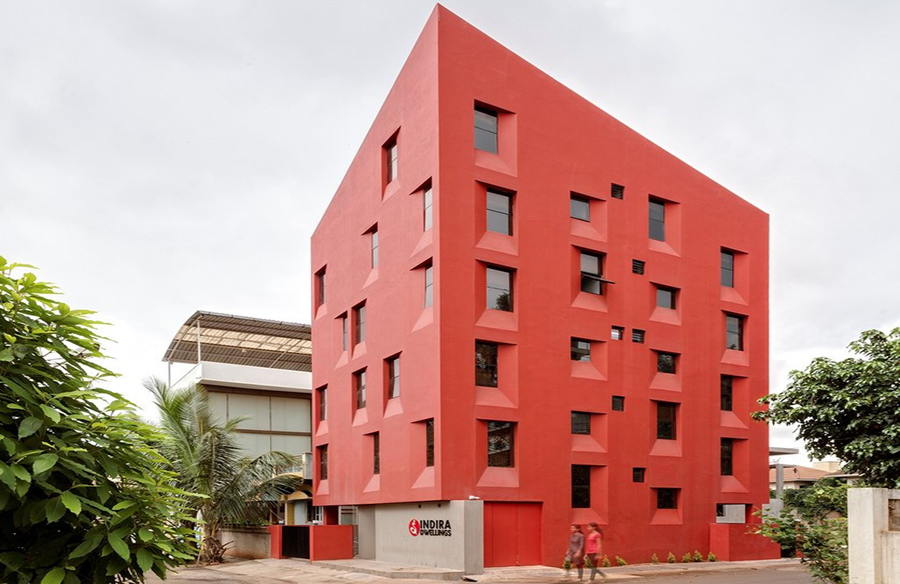
Stacked Student Housing – Housing Design in India
In the ever-evolving landscape of Indian architecture, the concept of stacked student housing has emerged as a groundbreaking solution to the challenges of accommodating a growing student population. This article delves into the intricacies of this innovative design approach, exploring the exceptional examples that have redefined the way students experience living spaces in India.
The Rise of Stacked Student Housing
Addressing Space Constraints
With urban centers becoming educational hubs, the demand for student housing has surged. Stacked student housing presents a pragmatic response to the challenge of limited space, utilizing vertical designs to optimize land use and accommodate a larger number of students within a confined footprint.
Enhancing Community Living
Beyond addressing spatial constraints, stacked student housing prioritizes community living. By vertically stacking units, these designs foster a sense of camaraderie and shared experiences among students, creating a vibrant living environment that goes beyond the traditional dormitory model.
Architectural Features of Stacked Student Housing
Compact Footprint, Maximum Efficiency
One of the key features of stacked student housing is its compact footprint. Architects meticulously plan and utilize every square meter to ensure maximum efficiency without compromising on comfort. The vertical stacking allows for a higher student capacity without sprawling horizontally.
Flexible Design Solutions
Stacked student housing embraces flexibility in design. The modular nature of the units allows for easy adaptation to changing needs. Common areas, study spaces, and recreational zones are strategically integrated into the design, promoting adaptability and multifunctional use.
Innovative Spatial Design for Student Comfort
Balancing Privacy and Social Spaces
Stacked student housing strikes a delicate balance between private and communal spaces. Individual living units offer students privacy when needed, while shared spaces such as lounges, kitchens, and study areas encourage social interaction, creating a dynamic and supportive community.
Natural Light and Ventilation
Architects prioritize natural light and ventilation in stacked student housing designs. Large windows, balconies, and open-air common areas contribute to a well-lit and well-ventilated environment, enhancing the overall well-being and comfort of the residents.
Technological Integration for Modern Living
Smart Living Solutions
Stacked student housing integrates smart living solutions to cater to the tech-savvy student demographic. From smart lighting and climate control to high-speed internet connectivity, these designs leverage technology to enhance the living experience and meet the evolving needs of students.
Digital Security Measures
Ensuring the safety of residents is paramount in stacked student housing. Digital security measures, including access control systems, surveillance cameras, and secure entry points, provide a secure living environment, offering peace of mind to both students and their families.
Sustainability in Stacked Student Housing
Green Building Practices
Sustainability is a core principle in the design of stacked student housing. Architects incorporate green building practices such as energy-efficient appliances, rainwater harvesting, and waste recycling systems to minimize the environmental impact and instill eco-friendly habits among residents.
Vertical Gardens and Green Roofs
Some stacked student housing designs take sustainability a step further by integrating vertical gardens and green roofs. These features not only contribute to the aesthetics of the building but also enhance air quality, reduce heat island effects, and promote a connection with nature in an urban setting.
Challenges and Solutions in Stacked Student Housing
Acoustics and Privacy Concerns
One of the challenges in stacked student housing is mitigating acoustics and privacy concerns. Architects employ innovative solutions such as soundproofing materials, strategic layout planning, and the use of double-glazed windows to create a peaceful living environment.
Infrastructure and Maintenance
Maintaining the infrastructure of stacked student housing requires careful planning. Regular maintenance schedules, efficient waste management systems, and the use of durable materials are crucial aspects that architects and developers address to ensure the longevity and functionality of these structures.
Success Stories of Stacked Student Housing in India
VIT Vellore Hostel: A Vertical Haven
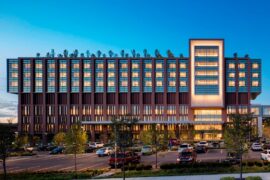
The Vellore Institute of Technology (VIT) is home to a remarkable example of stacked student housing. The vertical design of the hostel not only maximizes space utilization but also creates a vibrant community atmosphere, fostering academic collaboration and social interaction among students.
IIT Gandhinagar Student Dorms: Green Living Spaces
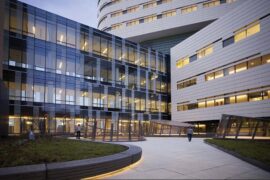
The Indian Institute of Technology (IIT) Gandhinagar, renowned for its commitment to sustainability, boasts stacked student dorms that incorporate green living concepts. With vertical gardens, energy-efficient systems, and a focus on eco-friendly practices, these dorms exemplify the fusion of modern living and environmental responsibility.
Future Trends and Considerations
Vertical Campus Designs
The success of stacked student housing has sparked discussions about the potential for vertical campus designs. Integrating classrooms, labs, and student housing within vertical structures could revolutionize the concept of campus living, offering a comprehensive and space-efficient solution for educational institutions.
Incorporating Co-Living Concepts
The co-living trend is gaining traction globally, and stacked student housing provides a natural transition into this concept. By incorporating co-living elements, such as shared workspaces and communal kitchens, these designs cater to the evolving preferences of modern students.
Conclusion: Shaping the Future of Student Living
In the realm of exceptional housing designs in India, stacked student housing stands out as a transformative solution, redefining the landscape of student living. Architects and developers continue to push boundaries, creating spaces that not only address the practical challenges of urbanization but also prioritize the holistic well-being and communal spirit of the students.
As India’s educational hubs evolve, the innovation and adaptability of stacked student housing will likely play a pivotal role in shaping the future of student accommodation. From sustainable practices to smart living solutions, these designs showcase the possibilities of creating dynamic, efficient, and vibrant living environments for the students of tomorrow.