Setting up an idealized Daylighting Scene – Ultimate Lumion rendering tips
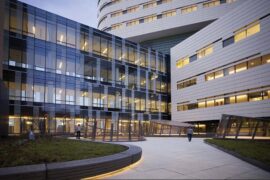
Daylighting stands as a fundamental aspect of architectural design, influencing both aesthetics and functionality. In the realm of architectural visualization, creating an idealized daylighting scene is paramount. Lumion, renowned for its rendering capabilities, offers a plethora of tools to simulate and enhance natural light, enabling architects to craft immersive and visually compelling scenes. This article explores the intricate process of setting up an idealized daylighting scene using Lumion.
Harnessing Natural Light: The Essence of Daylighting
-
Emulating Realistic Sunlight
The foundation of an ideal daylighting scene lies in the accurate representation of sunlight. Lumion’s sun position tool allows architects to precisely position the sun, mimicking real-world lighting conditions. Understanding the angle, intensity, and color temperature of sunlight is crucial in creating a natural and inviting ambiance within architectural renderings.
-
Leveraging Sky and Atmosphere Effects
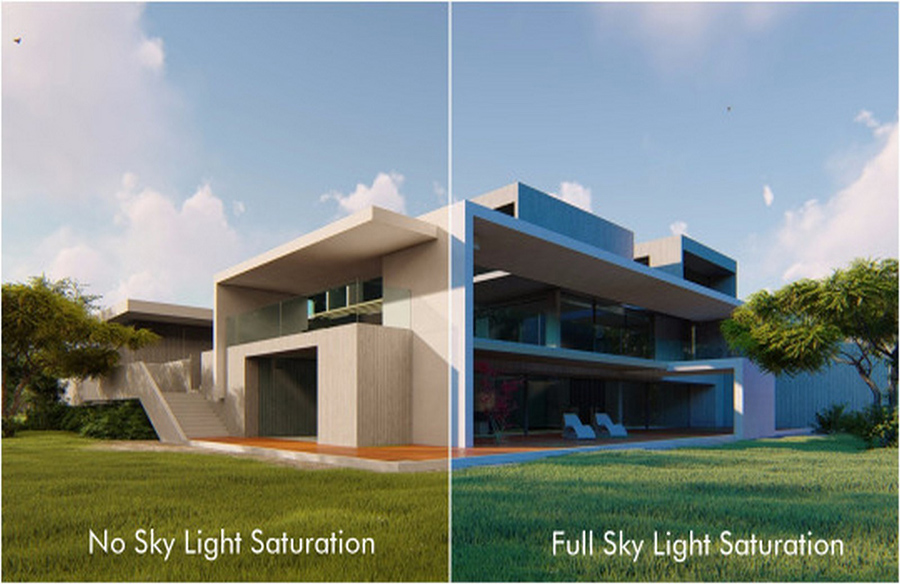
Beyond the sun, Lumion offers controls for the sky and atmosphere, enabling architects to manipulate cloud cover, haze, and sky quality. Crafting a believable sky with variations in cloud formations and atmospheric effects adds depth and realism to daylighting scenes, enhancing the overall visual impact.
-
Integrating Light and Shadow Dynamics
The interplay of light and shadow defines the character of a space. Lumion’s lighting tools allow for the manipulation of shadows, enabling architects to achieve the desired balance between illumination and shadowing. Understanding how light interacts with architectural elements aids in creating visually captivating scenes.
Techniques for Crafting an Idealized Daylighting Scene
-
Analyzing Site-specific Conditions
Understanding the site-specific conditions is paramount in creating realistic daylighting scenes. Considering factors like geographic location, orientation, and surrounding context influences the quality and quantity of natural light. Lumion empowers architects to simulate various environmental conditions, ensuring daylighting scenes resonate with the intended design context.
-
Utilizing Material Properties for Light Interaction
Materials interact uniquely with light, affecting how it reflects, refracts, or absorbs. Lumion’s material editor allows architects to manipulate material properties, enhancing the realism of daylighting scenes. Adjusting material finishes, textures, and translucency adds authenticity to the interplay of light within architectural renderings.
-
Optimizing Camera Settings for Daylight Capture
Capturing the essence of daylighting scenes involves adeptly setting up camera parameters. Lumion’s camera controls offer options for exposure, depth of field, and white balance, enabling architects to fine-tune settings for optimal daylight capture. Mastery of these settings ensures accurate portrayal of natural light within renderings.
Advanced Techniques for Daylighting Realism
-
Real-time Global Illumination (GI) Adjustments
Lumion’s Global Illumination (GI) technology is pivotal in achieving photorealistic daylighting. Fine-tuning GI settings allows architects to simulate light bounces accurately, affecting the overall illumination of scenes. Understanding GI parameters and optimizing them based on scene requirements elevates the realism of daylighting scenes.
-
Dynamic Time-lapse Rendering
Exploring the dynamic evolution of natural light over time enhances the visual storytelling aspect of daylighting scenes. Lumion’s time-lapse rendering feature enables architects to showcase changing light conditions throughout the day, emphasizing the dynamic nature of daylight within architectural spaces.
-
Integrating Contextual Elements
Contextual elements such as landscaping, interior furnishings, and human-scale objects complement daylighting scenes. Lumion’s vast library of objects and assets aids in populating scenes, fostering a sense of scale and contextuality, enriching the visual narrative of daylighting renderings.
The Evolution of Daylighting in Architectural Visualization
The significance of daylighting transcends aesthetics—it influences occupant well-being, energy efficiency, and sustainable design practices. As architectural paradigms shift towards more environmentally conscious approaches, daylighting assumes a pivotal role in shaping designs that prioritize human-centric and eco-friendly spaces.
Conclusion: Elevating Architectural Renderings with Lumion’s Daylighting Realism
Crafting an idealized daylighting scene within architectural renderings necessitates a nuanced understanding of light dynamics, spatial context, and design intent. Lumion, with its array of tools and capabilities, empowers architects to transcend static renderings, breathing life into designs through immersive and realistic daylighting scenes.
The mastery of daylighting in architectural visualization is an art form—a delicate balance between technical expertise and creative finesse. By leveraging Lumion’s capabilities to simulate natural light, architects infuse renderings with authenticity, evoking emotions and fostering connections between designs and their audience.
The art of setting up an idealized daylighting scene isn’t just about visual appeal; it’s about orchestrating experiences—harmonizing light and space to create environments that inspire, uplift, and resonate deeply with those who inhabit them.
As architectural aspirations evolve, the ability to craft compelling daylighting scenes using Lumion becomes an invaluable asset—a testament to the transformative potential of architectural visualization in shaping a brighter, more illuminated future.