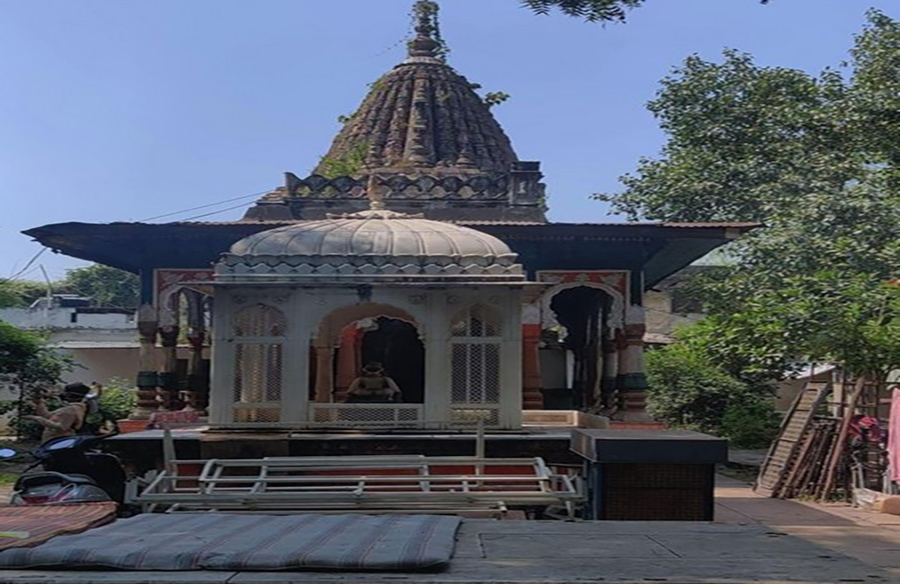
Rukhmini Temple Complex – The lesser-known historical monuments in India
India, with its rich tapestry of history, conceals within its folds lesser-known architectural treasures that narrate tales of the past. The Rukhmini Temple Complex, tucked away in the heart of the country, stands as an epitome of architectural elegance, silently narrating the cultural nuances of ancient India.
Discovering the Rukhmini Temple Complex: A Glimpse into Antiquity
Timeless Heritage
The Rukhmini Temple Complex, often overshadowed by more renowned counterparts, holds a timeless heritage that harks back to an era steeped in religious and architectural fervor. This hidden gem unfolds the pages of history, providing a glimpse into the spiritual and artistic fervor that once permeated the region.
Architectural Splendor
The complex is a harmonious blend of architectural styles, reflecting the cultural amalgamation prevalent in ancient India. Its structures, adorned with intricate carvings and sculptural details, bear witness to the craftsmanship and artistic prowess of the bygone era. The Rukhmini Temple Complex stands as a testament to the cultural syncretism that has shaped the architectural landscape of the Indian subcontinent.
Design Elements of the Rukhmini Temple Complex
Sacred Geometry
One of the defining features of the Rukhmini Temple Complex is the adherence to sacred geometry in its architectural layout. The placement of the temples, courtyards, and other structures follows a meticulously calculated design, creating a sense of divine harmony. This sacred geometry not only adds to the visual appeal but also imbues the space with a spiritual aura.
Sculptural Marvels
The complex boasts an array of sculptural marvels that adorn the temple facades. Intricately carved reliefs depict mythological narratives, showcasing the artistic flair of the craftsmen of that era. Every sculpture is a narrative in stone, telling stories of devotion, mythology, and the cultural ethos of the time.
Preservation Challenges and Conservation Initiatives
Modern Challenges
Despite its historical significance, the Rukhmini Temple Complex faces modern challenges that threaten its architectural legacy. Urban encroachment, environmental factors, and the passage of time have taken a toll on the structures. Recognizing and addressing these challenges is imperative for the sustained preservation of this cultural treasure.
Conservation Endeavors
In recent years, concerted efforts have been undertaken to conserve and restore the Rukhmini Temple Complex. Governmental and non-governmental organizations have collaborated on initiatives ranging from structural restoration to community awareness programs. These endeavors aim to ensure that the architectural grandeur of the complex remains intact for future generations.
Exploring the Rukhmini Temple Complex: A Journey into Devotion
Spiritual Odyssey
Visitors to the Rukhmini Temple Complex embark on a spiritual odyssey, immersing themselves in the sacred ambiance of the surroundings. The well-preserved structures, coupled with the serene atmosphere, create an environment conducive to contemplation and reflection.
Educational Significance
Beyond its religious significance, the Rukhmini Temple Complex serves as an educational treasure trove for architects, historians, and enthusiasts. Guided tours and interpretive materials unravel the architectural nuances and historical context of the complex, offering a comprehensive understanding of its cultural significance.
The Future of the Rukhmini Temple Complex: A Collective Responsibility
Community Engagement
Preserving the architectural and cultural legacy of the Rukhmini Temple Complex necessitates active community engagement. Initiatives that involve local residents in the preservation efforts foster a sense of ownership and pride in the cultural heritage. Community-led projects can play a pivotal role in ensuring the sustained maintenance and protection of the structures.
Cultural Promotion and Tourism
Promoting the Rukhmini Temple Complex as a cultural and religious tourism destination is essential for its preservation. Increased footfall not only contributes to the economic sustainability of the site but also raises awareness about its historical and architectural significance. Collaborative efforts between tourism boards, local communities, and heritage organizations can position the complex as a must-visit destination on India’s cultural map.
Conclusion
In conclusion, the Rukhmini Temple Complex stands as a hidden jewel, waiting to be discovered by those passionate about architecture, history, and spirituality. Its architectural splendor, cultural significance, and contemporary challenges underscore the importance of concerted efforts in preservation. As we delve into the architectural wonders of India, let the Rukhmini Temple Complex serve as a poignant reminder of the need to safeguard and celebrate the lesser-known gems that contribute to the rich heritage of the subcontinent.