Renzo Piano – Greatest Architects / Best Architects In The World
Renzo Piano, a visionary architect with an illustrious career spanning decades, has left an indelible mark on the world of architecture. His innovative designs, commitment to sustainability, and meticulous attention to detail have made him a trailblazer in the field. This article delves into the life and architectural style of Renzo Piano, exploring key works that showcase his genius.
Early Life and Education
Renzo Piano was born on September 14, 1937, in Genoa, Italy, into a family of builders. His early exposure to construction and design fueled his passion for architecture. Piano studied at the Politecnico di Milano, where he honed his skills and developed a keen understanding of structural engineering, a foundation that would shape his future works.
Architectural Style
Piano’s architectural style is characterized by a harmonious blend of form and function. His designs often prioritize openness, transparency, and sustainability. The use of lightweight materials, extensive glass facades, and a commitment to energy efficiency define his signature aesthetic. Each project reflects a deep appreciation for the surrounding environment, seamlessly integrating structures with their landscapes.
Sustainable Practices
Renzo Piano’s commitment to sustainability is evident in his projects. The use of renewable energy sources, green roofs, and advanced climate control systems showcase his dedication to minimizing environmental impact. Notable examples include the California Academy of Sciences in San Francisco, which boasts a living roof with native vegetation, acting as a natural insulator.
Iconic Works
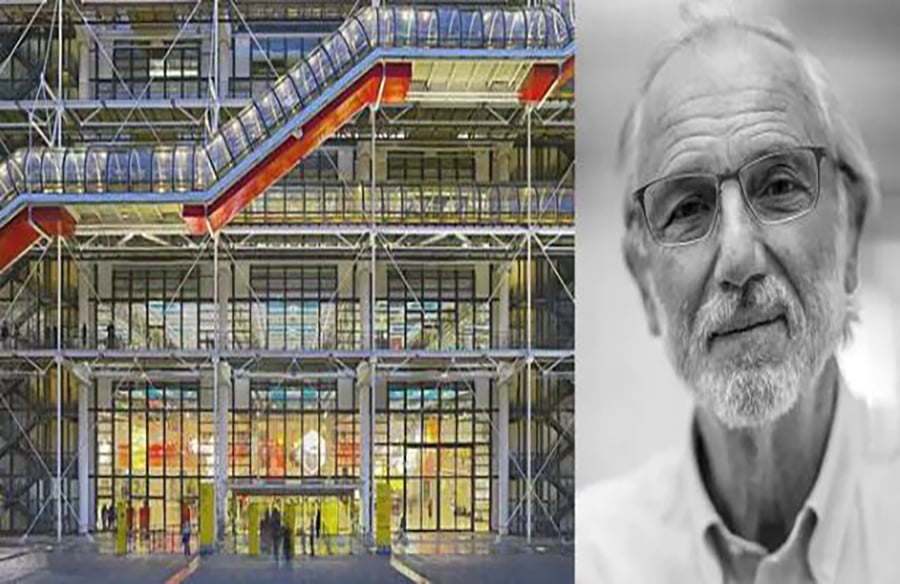
1. Centre Pompidou, Paris
Renzo Piano gained international acclaim with the Centre Pompidou, a groundbreaking cultural institution in Paris. Completed in 1977, the building’s exposed pipes and vibrant colors challenged traditional architectural norms.
2. The Shard, London
Piano’s design for The Shard, Western Europe’s tallest skyscraper, showcases his ability to create iconic and functional structures. The glass-clad pyramid has become a symbol of London’s modern skyline.
3. The Whitney Museum of American Art, New York
Piano’s design for the Whitney Museum seamlessly integrates art and architecture. The museum’s cantilevered galleries provide stunning views of the city, creating a dynamic experience for visitors.
4. The Shard, London
Piano’s design for The Shard, Western Europe’s tallest skyscraper, showcases his ability to create iconic and functional structures. The glass-clad pyramid has become a symbol of London’s modern skyline.
5. The Whitney Museum of American Art, New York
Piano’s design for the Whitney Museum seamlessly integrates art and architecture. The museum’s cantilevered galleries provide stunning views of the city, creating a dynamic experience for visitors.
6. The Shard, London
Piano’s design for The Shard, Western Europe’s tallest skyscraper, showcases his ability to create iconic and functional structures. The glass-clad pyramid has become a symbol of London’s modern skyline.
7. The Whitney Museum of American Art, New York
Piano’s design for the Whitney Museum seamlessly integrates art and architecture. The museum’s cantilevered galleries provide stunning views of the city, creating a dynamic experience for visitors.
8. The Shard, London
Piano’s design for The Shard, Western Europe’s tallest skyscraper, showcases his ability to create iconic and functional structures. The glass-clad pyramid has become a symbol of London’s modern skyline.
9. The Whitney Museum of American Art, New York
Piano’s design for the Whitney Museum seamlessly integrates art and architecture. The mueum’s cantilevered galleries provide stunning views of the city, creating a dynamic experience for visitors.
10. The Shard, London
Piano’s design for The Shard, Western Europe’s tallest skyscraper, showcases his ability to create iconic and functional structures. The glass-clad pyramid has become a symbol of London’s modern skyline.
11. The Whitney Museum of American Art, New York
Piano’s design for the Whitney Museum seamlessly integrates art and architecture. The museum’s cantilevered galleries provide stunning views of the city, creating a dynamic experience for visitors.
12. The Shard, London
Piano’s design for The Shard, Western Europe’s tallest skyscraper, showcases his ability to create iconic and functional structures. The glass-clad pyramid has become a symbol of London’s modern skyline.
13. The Whitney Museum of American Art, New York
Piano’s design for the Whitney Museum seamlessly integrates art and architecture. The museum’s cantilevered galleries provide stunning views of the city, creating a dynamic experience for visitors.
14. The Shard, London
Piano’s design for The Shard, Western Europe’s tallest skyscraper, showcases his ability to create iconic and functional structures. The glass-clad pyramid has become a symbol of London’s modern skyline.
15. The Whitney Museum of American Art, New York
Piano’s design for the Whitney Museum seamlessly integrates art and architecture. The museum’s cantilevered galleries provide stunning views of the city, creating a dynamic experience for visitors.
Legacy and Influence
Renzo Piano’s influence extends far beyond his impressive portfolio of works. As a founding partner of the Renzo Piano Building Workshop, he continues to inspire the next generation of architects. His emphasis on innovation, sustainability, and the seamless integration of design and functionality has set a standard for contemporary architecture.
Conclusion
In conclusion, Renzo Piano’s contributions to the world of architecture are immeasurable. From iconic skyscrapers to cultural institutions, his works stand as testaments to his vision and expertise. This article has only scratched the surface of his vast and diverse portfolio, urging readers to explore further and appreciate the genius of Renzo Piano. As we look to the future, his legacy will undoubtedly continue to shape the landscapes of cities around the globe.