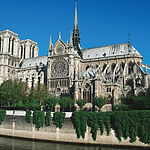
Renaissance Architecture- 1400 AD to 1600 AD – Timeline of prominent architectural styles
At the heart of Renaissance architecture lies a profound reverence for classical Greco-Roman aesthetics. Architects of this era sought inspiration from the architectural wonders of ancient Greece and Rome, endeavoring to recapture the harmony, proportion, and balance that defined those illustrious civilizations.
Humanism and Architectural Expression
Humanism, a cultural movement emphasizing human intellect and achievements, played a pivotal role in shaping Renaissance architecture. Architects embraced the idea of human-centered design, incorporating symmetry and proportion to create structures that harmonized with the human form and intellect.
Architectural Elements: Pillars of Renaissance Grandeur
Classical Orders
One of the defining features of Renaissance architecture is the meticulous application of classical orders—Doric, Ionic, and Corinthian columns. These elements, borrowed from ancient Greece and Rome, adorned facades, creating a sense of visual continuity and sophistication.
Symmetry and Proportion
Symmetry became the hallmark of Renaissance buildings. Architects, influenced by mathematical principles, meticulously crafted structures with balanced proportions, instilling a sense of visual harmony. This emphasis on proportion extended to every facet, from window placement to overall building dimensions.
Domes and Daring Designs
Renaissance architects exhibited a penchant for grandeur, exemplified by the widespread use of domes. The dome, with its symbolic significance and engineering challenges, became an iconic feature in buildings like Brunelleschi’s Florence Cathedral Dome, showcasing the era’s architectural audacity.
Use of Classical Motifs
Intricate detailing marked Renaissance architecture, with architects employing classical motifs such as pediments, friezes, and pilasters. These elements adorned buildings, providing a visual narrative that celebrated the cultural and intellectual resurgence of the time.
Notable Examples: Immortalizing Renaissance Ingenuity
St. Peter’s Basilica, Vatican City
Designed by Michelangelo and others, St. Peter’s Basilica exemplifies Renaissance grandeur. Its colossal dome, supported by colossal columns and adorned with classical motifs, stands as a testament to the era’s architectural prowess.
Palazzo Medici Riccardi, Florence
Commissioned by the influential Medici family, this palace, designed by Michelozzo di Bartolomeo, showcases Renaissance residential architecture. Its use of rustication, harmonious proportions, and classical detailing epitomize the era’s residential aesthetic.
Château de Chambord, France
Incorporating Renaissance elements beyond Italy, Château de Chambord in France blends French Gothic and Renaissance styles. Its intricate facades, steeped in classical motifs, exemplify the cross-cultural influence of Renaissance architecture.
Legacy and Influence: Shaping the Architectural Canon
The legacy of Renaissance architecture extends far beyond the 17th century, influencing subsequent architectural movements. Neoclassicism, for instance, drew inspiration from Renaissance ideals, perpetuating the use of classical orders and symmetry well into the 18th and 19th centuries.
Preserving the Renaissance Heritage: A Call to Action
Architectural Conservation
Preserving Renaissance architecture requires a concerted effort in architectural conservation. Governments, institutions, and individuals must collaborate to safeguard these cultural treasures, ensuring that future generations can marvel at the brilliance of the Renaissance era.
Educational Initiatives
Educational programs focusing on Renaissance architecture can foster a deeper appreciation for the era’s cultural and intellectual underpinnings. By integrating these studies into architectural curricula, institutions can ensure that aspiring architects draw inspiration from the timeless lessons of the Renaissance.
Promoting Public Awareness
Raising public awareness about the importance of Renaissance architecture is crucial. Initiatives such as guided tours, exhibitions, and online resources can disseminate knowledge and foster a sense of collective responsibility for preserving these architectural gems.
Conclusion: Nurturing the Renaissance Flame
As we reflect on the splendor of Renaissance architecture, it becomes evident that its enduring legacy transcends mere aesthetics. It symbolizes a profound cultural rebirth, an era where architects dared to dream, drawing inspiration from the past to shape the future. Today, the responsibility lies with architects, historians, and enthusiasts alike to safeguard and celebrate the timeless elegance of Renaissance architecture, ensuring that its flame continues to illuminate the path of architectural innovation for generations to come.