
Rebuild – Architecture Games you can play on your mobile
In the realm of mobile architecture games, Rebuild emerges as a unique and compelling platform that challenges players to navigate the complexities of urban planning and construction in a post-apocalyptic setting. This article delves into the intricate features of Rebuild, exploring its gameplay dynamics, architectural challenges, and the strategic thinking it instills in players as they rebuild civilization from the ground up.
Unveiling Rebuild: A Post-Apocalyptic Architectural Odyssey
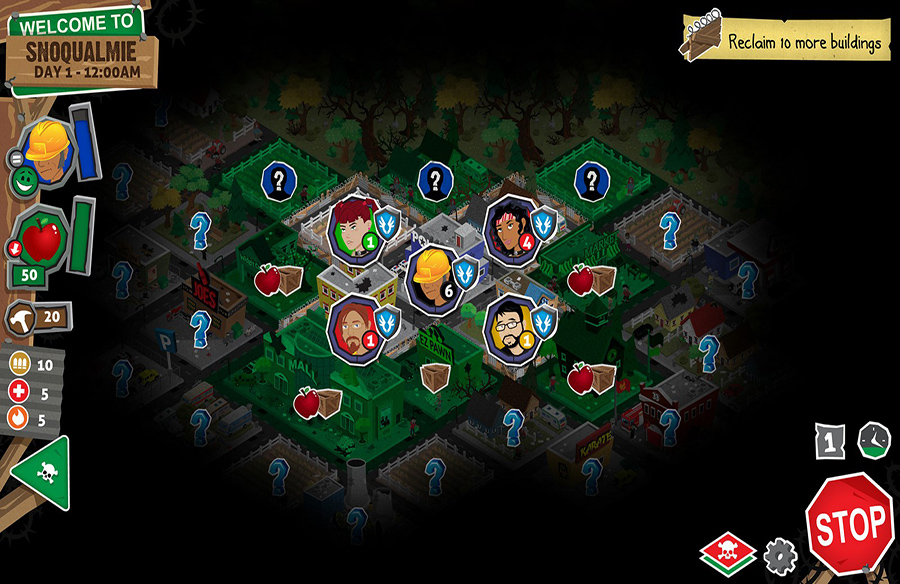
Gameplay Overview: Rebuild sets itself apart by immersing players in a world recovering from a zombie apocalypse. As leaders of a group of survivors, players must reclaim, rebuild, and fortify a city, making critical decisions to ensure the survival and prosperity of their community. The game intricately weaves elements of urban planning, resource management, and strategic construction into a compelling narrative of resilience.
City Reclamation Challenges: One of Rebuild’s defining features is its focus on city reclamation challenges. Players must strategically allocate resources, manage survivor populations, and defend against zombie attacks. This dynamic interplay of elements mirrors the real-world challenges architects face in post-disaster urban planning, where resilience and adaptability are paramount.
Key Features of Rebuild:
- Strategic Decision-Making: Rebuild emphasizes strategic decision-making at every turn. From choosing the optimal location for buildings to deciding on resource allocation and defensive measures, players must think critically about the long-term consequences of their choices—a reflection of the nuanced decision-making architects encounter in real-world urban development.
- Urban Expansion and Rebuilding: The game introduces urban expansion and rebuilding as central themes. Players must gradually reclaim and expand territories, constructing buildings that serve multiple functions, from housing survivors to providing essential services. This aspect aligns with the urban redevelopment strategies employed by architects in rebuilding post-disaster landscapes.
- Defensible Architecture: Rebuild introduces the concept of defensible architecture, where players must strategically fortify structures to withstand zombie attacks. This adds a layer of complexity, requiring players to consider both the functional and defensive aspects of their buildings—a unique challenge reflective of the multifaceted nature of architectural design.
Rebuild as an Architectural Learning Platform:
Adaptive Urban Planning: Rebuild serves as an educational tool for adaptive urban planning. Players must adapt their strategies based on evolving circumstances, a skillset crucial in the architectural field where designs often need to respond to changing environmental, social, and economic factors.
Sustainable Resource Management: The game promotes sustainable resource management as players navigate the scarcity of resources in a post-apocalyptic world. Architects can draw parallels, learning the importance of efficient resource allocation and sustainability—a pertinent aspect in contemporary architectural practices.
Impact on the Design and Construction Industry:
Resilient Urban Design Inspiration: Rebuild provides inspiration for resilient urban design. Architects can draw ideas from the game’s emphasis on fortification and adaptability, exploring innovative ways to design structures that not only fulfill functional requirements but also withstand unforeseen challenges.
Disaster-Responsive Architecture: The game highlights the importance of disaster-responsive architecture. Architects can glean insights into designing structures that can endure and recover from catastrophic events, contributing to the evolving discourse on resilient and disaster-responsive urban planning.
Future Prospects and Technological Advancements:
Integration of Augmented Reality (AR): As technology advances, Rebuild and similar games may explore the integration of augmented reality (AR). This advancement could offer users a more immersive experience by overlaying post-apocalyptic elements onto real-world environments, providing a unique perspective on disaster-responsive urban planning.
Collaborative Rebuilding Projects: Future updates might introduce collaborative rebuilding projects, allowing players to join forces and contribute to shared post-apocalyptic landscapes. This collaborative element could mimic the teamwork prevalent in the architectural and construction industry, fostering a sense of community within the gaming experience.