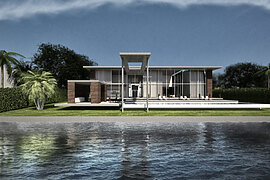
PostModernism – 1950 to 2007 – Timeline of prominent architectural styles
In the mid-20th century, a revolutionary movement emerged in the world of architecture, challenging the norms and conventions of the Modernist era. This movement, known as PostModernism, spanned from 1950 to 2007, leaving an indelible mark on the built environment. In this in-depth exploration, we delve into the intricacies of PostModern architecture, its historical context, key characteristics, notable architects, and its lasting impact on the architectural landscape.
Origins and Historical Context
The roots of PostModernism can be traced back to the mid-20th century as a reaction against the rigid principles of Modernism. Modernist architecture, prevalent from the late 19th century to the mid-20th century, emphasized functionality, minimalism, and a rejection of historical ornamentation. PostModernism, in contrast, sought to reintroduce historical references, symbolism, and a sense of context to architectural design.
Key Characteristics of PostModern Architecture
1. Eclecticism and Historical References
PostModern architecture is characterized by its eclectic approach, drawing inspiration from a wide range of historical styles. Architects embraced ornamentation, classical motifs, and diverse materials to create visually striking and diverse structures.
2. Rejection of Uniformity
Unlike the uniformity championed by Modernism, PostModernism celebrated diversity. Architects experimented with asymmetry, varied geometries, and diverse materials, breaking away from the monotony of Modernist structures.
3. Symbolism and Narrative
PostModern buildings often convey a narrative or symbolic meaning. Architects used ornamentation and decoration to communicate ideas, fostering a deeper connection between the structure and its cultural or historical context.
4. Playfulness and Wit
Humor and playfulness became integral elements of PostModern architecture. Buildings exhibited a sense of wit through unexpected design elements, colors, and unconventional juxtapositions.
Notable Architects and Iconic Examples
1. Robert Venturi
An influential figure in PostModern architecture, Robert Venturi’s work challenged Modernist dogmas. His book “Complexity and Contradiction in Architecture” (1966) became a manifesto for the movement. Notable examples of his work include the Vanna Venturi House and the Sainsbury Wing of the National Gallery in London.
2. Frank Gehry
While primarily associated with Deconstructivism, Frank Gehry’s architectural language often incorporates PostModern elements. The Guggenheim Museum Bilbao is a prime example, featuring unconventional forms and a playfulness in design.
3.Michael Graves
Michael Graves played a pivotal role in the emergence of PostModernism. The Portland Building in Oregon, with its classical references and colorful ornamentation, stands as a testament to his PostModern design philosophy.
Impact on the Architectural Landscape
PostModernism’s influence extended beyond the physical structures, shaping the discourse and direction of architecture. Its emphasis on contextualism, symbolism, and the rejection of a one-size-fits-all approach paved the way for a more inclusive and diverse architectural language.
Calls to Action: Embracing PostModern Principles Today
1. Rediscover Context
Architects and designers are encouraged to consider the cultural and historical context of their projects. Integrating contextual elements can create a more meaningful and harmonious built environment.
2. Celebrate Diversity
PostModernism encourages diversity in design. Embrace a variety of styles, materials, and forms to create visually rich and engaging architectural compositions.
3. Narrative-driven Design
Explore the potential for storytelling through architecture. Incorporate symbolism and narrative elements to create buildings that resonate with a deeper meaning.
Conclusion: A Lasting Legacy
PostModernism, with its rejection of the rigid doctrines of Modernism, left an enduring legacy on the architectural landscape. Its influence continues to be felt in contemporary design, reminding us of the importance of context, diversity, and narrative in shaping the built environment. As architects and enthusiasts, let us draw inspiration from the PostModern era, celebrating the past while pushing the boundaries of innovation in the ever-evolving field of architecture.