Parking for 20 Cars – Facts about Bill Gates House you should know
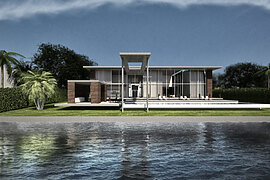
In the realm of architectural marvels, Bill Gates’ residence, Xanadu 2.0, stands as a testament to innovation and opulence. Among its lesser-known features lies an underground oasis – a parking facility designed to accommodate a staggering 20 cars. This exploration into the hidden facets of Xanadu 2.0 delves into the intricacies of this remarkable parking space, revealing a synergy of technology, design, and convenience.
The Subterranean Parking Marvel
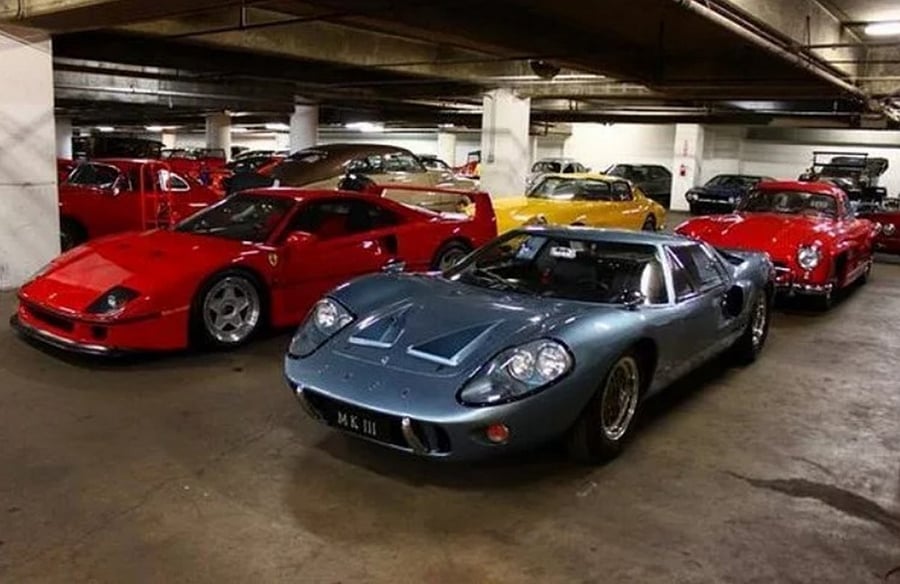
Xanadu 2.0’s underground parking is not merely a functional necessity; it is a feat of engineering that aligns with the residence’s commitment to seamless living. The space is strategically designed to accommodate a fleet of 20 cars, providing residents with a convenient and secure solution for their automotive needs.
Technological Integration
Beyond its sheer capacity, the underground parking facility integrates cutting-edge technology for an enhanced user experience. Smart systems manage entry and exit, ensuring a streamlined process for residents. The integration of advanced security measures adds an extra layer of protection, contributing to the overall safety and convenience of the space.
Architectural Ingenuity
The design of the underground parking facility reflects a thoughtful approach to architectural ingenuity. Its subterranean location not only preserves the aesthetic integrity of Xanadu 2.0’s exterior but also maximizes the use of available space. The underground oasis is seamlessly integrated into the broader design, maintaining a cohesive and visually appealing exterior.
Environmental Considerations
In line with Bill Gates’ commitment to sustainability, the underground parking facility incorporates environmentally conscious features. From energy-efficient lighting to ventilation systems that minimize environmental impact, the space aligns with Xanadu 2.0’s broader ethos of responsible and eco-friendly architecture.
Convenience and Accessibility
The parking facility is designed with resident convenience in mind. With space for 20 cars, residents have the flexibility to maintain a diverse collection of vehicles, from daily drivers to specialty cars. The accessibility and proximity to the main residence ensure that transportation needs are met with efficiency and ease.
Privacy and Security
The underground parking oasis is not only a space for vehicles; it is a sanctuary that prioritizes the privacy and security of the residents. The subterranean location adds an extra layer of discretion, shielding the contents from external eyes and enhancing the overall security of the residence.
Aesthetic Harmony
Despite being underground, the parking facility maintains an aesthetic harmony with the rest of Xanadu 2.0. The choice of materials, lighting design, and overall ambiance contribute to a space that goes beyond mere functionality. The underground oasis becomes an extension of the residence’s architectural narrative, blending practicality with elegance.
Integrated Car Maintenance
Beyond parking, the facility also integrates spaces for car maintenance. Residents have access to a dedicated area where routine tasks and servicing can be performed, ensuring that their vehicles remain in optimal condition. This additional feature enhances the overall functionality of the parking space.
Visitor Parking Convenience
The underground parking facility doesn’t solely cater to the needs of residents; it extends its convenience to visitors. With ample space for 20 cars, guests can park effortlessly, experiencing a seamless transition from arrival to the heart of Xanadu 2.0.
Conclusion
The underground parking oasis at Xanadu 2.0 is a testament to the meticulous design and technological integration that defines Bill Gates’ residence. Beyond its sheer capacity, the facility reflects a commitment to convenience, security, and sustainability. In the symphony of architecture that is Xanadu 2.0, the underground parking space stands as a harmonious note, showcasing how innovation and practicality can coalesce to create a seamless living experience within the confines of one of the world’s most iconic residences.