NRC Pavilion – Examples of Flood resistant architecture around the world
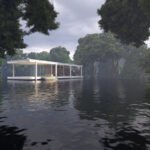
Amidst the global discourse on flood-resistant architecture, the NRC Pavilion emerges as a remarkable exemplar of innovation and resilience. This article delves into the distinctive features of the NRC Pavilion, dissecting its design strategies and exploring its significance in the evolving landscape of flood-resistant structures.
Architectural Genesis and Vision
Architectural Mastery by Industry Leaders
The NRC Pavilion, a testament to architectural prowess, was conceptualized by industry leaders with a vision for creating a structure that not only showcases design ingenuity but also addresses the challenges posed by flooding. The pavilion’s architects envisioned a dynamic and adaptable space that could withstand and transcend the impact of rising waters.
Design Strategies and Flood-Resistant Innovations
Elevated Foundations for Strategic Elevation
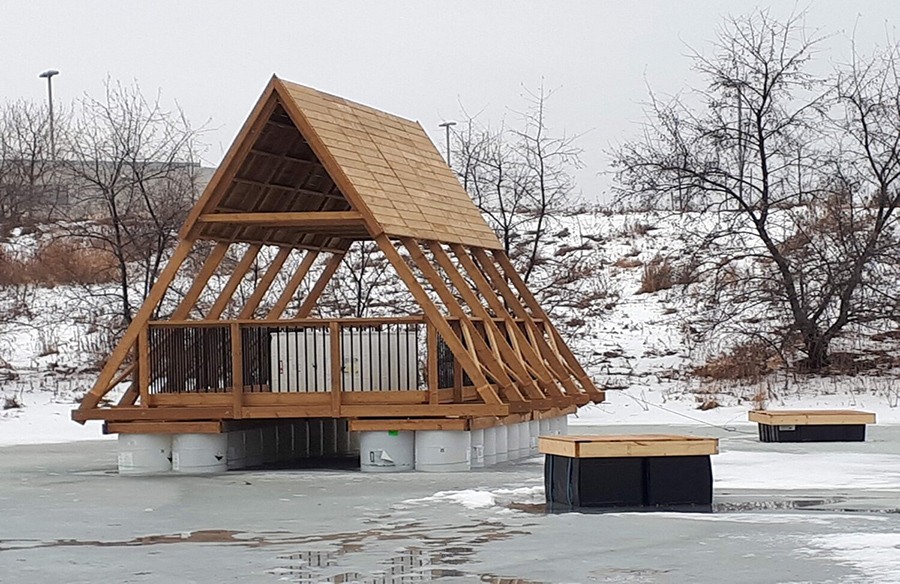
At the core of the NRC Pavilion’s flood-resistant design lies the use of elevated foundations. Strategically raising the structure above potential water levels, the pavilion not only mitigates the risk of flooding but also fosters effective ventilation. This elevated approach aligns with the principles of flood resilience while enhancing the overall adaptability of the architectural marvel.
Modular Construction: A Paradigm of Adaptability
The NRC Pavilion embraces modular construction techniques, setting a paradigm of adaptability in flood-resistant architecture. The modular components not only facilitate a streamlined construction process but also provide the flexibility to relocate the pavilion swiftly, responding effectively to changing environmental conditions. This innovative approach underscores a commitment to dynamic adaptability in the face of flood challenges.
Global Impact and Real-World Case Studies
Asia-Pacific Region
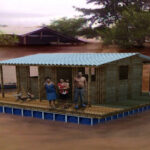
In flood-prone regions of the Asia-Pacific, such as Bangladesh and Vietnam, the NRC Pavilion has made a substantial impact. Real-world case studies highlight its effectiveness in providing resilient and adaptable spaces for communities facing the recurrent threat of flooding. The pavilion’s success in these regions underscores its relevance as a global model for flood-resistant architecture.
Coastal Cities in North America
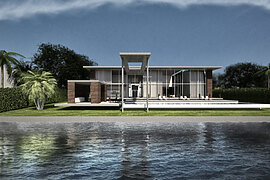
In coastal cities along North America, where hurricanes and storm surges are prevalent, the NRC Pavilion has garnered attention for its strategic elevation and modular construction. Cities like Miami and New Orleans explore the pavilion’s potential to provide robust solutions in the wake of extreme weather events, showcasing its versatility in diverse geographical contexts.
Statistical Insights: Flood Resilience Metrics
Elevation Effectiveness in Flood Mitigation
Statistical data on the NRC Pavilion’s elevation effectiveness demonstrates a substantial reduction in vulnerability to flooding. The elevated design has proven instrumental in minimizing damage and ensuring the habitability of the structure even during severe flood events, setting a benchmark for flood resilience.
Modular Construction Speed and Efficiency Metrics
Metrics related to modular construction showcase the speed and efficiency with which the NRC Pavilion can be assembled or disassembled. These statistics highlight its practicality for emergency response and the swift adaptation to changing environmental conditions, emphasizing the importance of efficiency in flood-resistant architecture.
Sustainability Integration and Environmental Harmony
Eco-Friendly Materials and Low Environmental Impact
The NRC Pavilion places a strong emphasis on sustainability, utilizing eco-friendly materials to minimize its environmental impact. This commitment aligns with contemporary architectural trends that prioritize eco-conscious design principles. The pavilion stands as a beacon of environmental harmony within the realm of flood-resistant structures.
Renewable Energy Integration
The pavilion often integrates renewable energy sources, such as solar panels, to reduce reliance on external power grids. This approach not only enhances the pavilion’s self-sufficiency but also aligns with global efforts to promote sustainable and energy-efficient architectural practices in the face of climate change.
Challenges and Ongoing Innovations
Cost-Effective Adaptations for Widespread Adoption
Challenges related to construction costs remain a consideration for the widespread adoption of flood-resistant architecture. Ongoing research and innovation in cost-effective adaptations aim to make resilient designs, like the NRC Pavilion, economically viable for diverse communities globally.
Technological Advancements in Flood Monitoring
Continuous innovation extends beyond construction to incorporate technological advancements in flood monitoring. The NRC Pavilion serves as a testing ground for integrating advanced sensors and monitoring systems, enhancing the predictive capabilities of flood-resistant structures.
Conclusion
The NRC Pavilion stands as a pinnacle of flood-resistant architecture, combining strategic design principles with innovative construction techniques. Its elevated foundations, modular construction, and commitment to sustainability underscore its resilience in the face of rising waters. As the world grapples with the increasing challenges of climate change, the NRC Pavilion serves as a beacon of hope, guiding architects and communities towards a future where flood-resistant architecture seamlessly integrates adaptability, sustainability, and resilience.