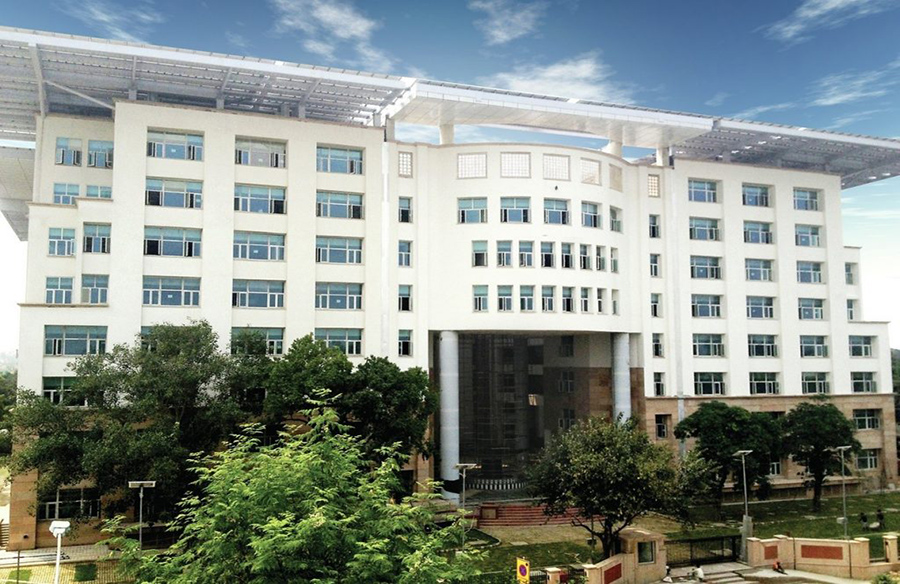
Net-Zero Energy Buildings – Topics related to Sustainable Architecture
In the dynamic landscape of sustainable architecture, Net-Zero Energy Buildings (NZEBs) emerge as pioneers, embodying the ethos of energy efficiency and environmental stewardship. This article delves into the intricacies of NZEBs, exploring their architectural brilliance, construction nuances, and their pivotal role in shaping a sustainable future.
Global Energy Landscape: A Statistical Imperative
A statistical overview of the global energy landscape reveals the urgency for sustainable alternatives. According to the International Energy Agency (IEA), buildings account for nearly 40% of the world’s energy-related carbon dioxide emissions. NZEBs address this challenge by striving to achieve a balance between energy consumption and renewable energy generation, offering a sustainable model for the built environment.
Energy Efficiency in Design: The Core Tenet of NZEB Architecture
Energy efficiency lies at the heart of NZEB architecture. Sustainable design principles prioritize passive design strategies, advanced insulation, and the integration of high-performance windows. Studies indicate that the meticulous planning of NZEBs significantly reduces energy demand, creating structures that operate more efficiently while minimizing their carbon footprint.
Solar Integration: Harnessing the Power of the Sun
Solar integration stands as a hallmark of NZEBs, with architectural designs incorporating photovoltaic systems for on-site energy generation. Research reveals that strategically positioned solar panels can offset a building’s energy consumption, making NZEBs effective contributors to the transition towards renewable energy sources.
Building Envelope Innovations: Insulating for Efficiency
Innovations in building envelopes play a crucial role in NZEB construction. Architects explore advanced materials and techniques to enhance insulation, minimize heat loss, and regulate indoor temperatures. The meticulous attention to the building envelope’s thermal performance ensures that NZEBs maintain comfortable living conditions while optimizing energy use.
Smart Technologies: Intelligent Energy Management Systems
NZEBs leverage smart technologies to optimize energy consumption. Architectural designs integrate intelligent energy management systems, allowing residents and building systems to monitor and control energy usage. Studies show that such systems contribute to real-time adjustments, aligning energy demand with on-site generation for maximum efficiency.
Ventilation and Cooling Strategies: Balancing Comfort and Efficiency
Ventilation and cooling strategies in NZEBs strike a delicate balance between occupant comfort and energy efficiency. Architectural considerations include natural ventilation systems, heat recovery ventilation, and energy-efficient cooling technologies. These strategies ensure a harmonious indoor environment while minimizing the need for energy-intensive climate control measures.
Lifecycle Assessments: Gauging Environmental Impact
NZEBs undergo rigorous lifecycle assessments to gauge their environmental impact. Architectural designs consider not only construction materials but also the energy embodied in the entire building process. Studies emphasize the importance of comprehensive assessments to ensure that NZEBs achieve their goal of net-zero energy over their lifecycle.
Economic Viability: The Business Case for NZEBs
NZEBs demonstrate economic viability, dispelling the notion that sustainable construction is cost-prohibitive. Research indicates that while initial costs may be marginally higher, the long-term operational savings in energy expenses offset the initial investment. The business case for NZEBs is reinforced by the rising trend of cost-effective sustainable technologies and government incentives.
Global Impact: NZEBs Shaping Sustainable Urban Futures
The global impact of NZEBs extends beyond individual structures, influencing urban planning and development. Architectural firms specializing in NZEBs contribute to the creation of sustainable urban landscapes. Studies highlight the ripple effect of these buildings, inspiring a shift towards greener construction practices and influencing industry standards worldwide.
Conclusion: NZEBs as Architectural Icons of Sustainability
In conclusion, Net-Zero Energy Buildings stand as architectural icons that bridge sustainability and innovation. From energy-efficient designs to solar integration and intelligent technologies, NZEBs showcase the potential of architecture to lead the way in addressing global energy challenges. Architects, with their visionary designs and commitment to sustainable practices, continue to shape a future where buildings not only harmonize with the environment but