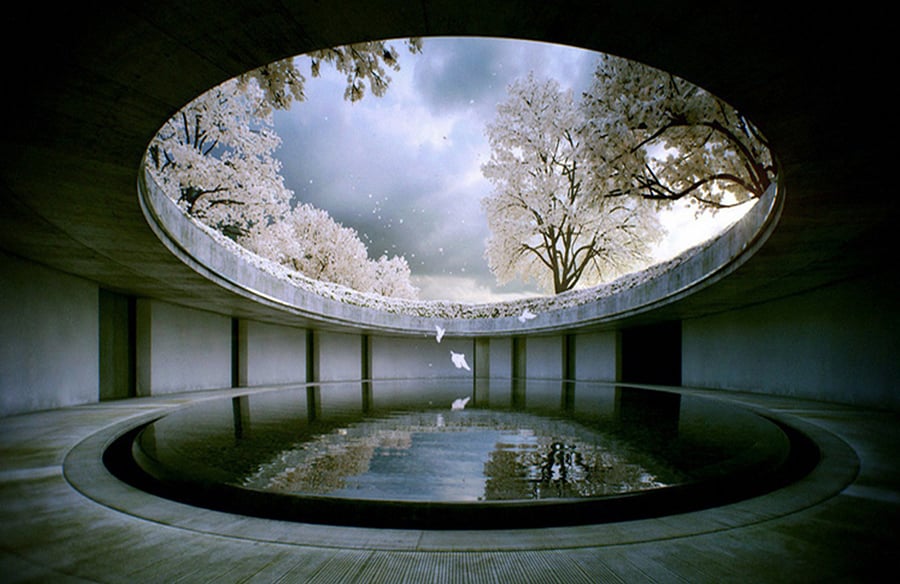
Naoshima Contemporary Art Museum & Annex, Naoshima – 15 Projects by Tadao Ando
Naoshima, a serene island nestled in Japan’s Seto Inland Sea, boasts not only natural beauty but also a unique cultural gem – the Naoshima Contemporary Art Museum & Annex, designed by the renowned architect Tadao Ando. This architectural marvel seamlessly integrates art, nature, and modern design, creating an immersive experience for visitors. In this exploration, we delve into the intricate details of the museum’s architecture, its urban design, and interior elements, unraveling the genius behind Tadao Ando’s creation.
Architectural Brilliance: Tadao Ando’s Signature Touch
Tadao Ando, celebrated globally for his minimalist and innovative designs, has left an indelible mark on the architectural landscape. The Naoshima Contemporary Art Museum & Annex stands as a testament to his genius, showcasing a harmonious blend of concrete, light, and space.
Architecture Style and Facade
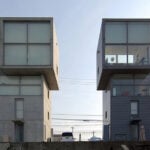
The museum’s architecture embraces the principles of modernist design, with a focus on clean lines and geometric shapes. Tadao Ando’s signature use of exposed concrete imparts a sense of strength and timelessness to the structure. The facade, a masterpiece in itself, reflects a thoughtful play of light and shadow, adding depth and dimension to the building’s exterior. The interplay between the solid and void elements creates a visually striking composition that captivates the observer.
Planning and Typology: Creating a Spatial Symphony
Built Use of the Museum
The Naoshima Contemporary Art Museum & Annex isn’t merely a space to house artworks; it’s a carefully curated environment that enhances the overall artistic experience. The primary museum structure houses a diverse collection of contemporary art, carefully arranged to evoke a narrative that unfolds as visitors traverse the space. The Annex, an extension of this narrative, complements the main building with additional exhibition spaces and interactive installations.
Building Uses and Typology
Tadao Ando’s vision for the museum transcends conventional typologies. The museum serves not only as a repository of art but also as a cultural hub, fostering dialogue and engagement. The typology of the space varies, offering intimate corners for reflection and expansive galleries for large-scale installations. The fluidity in typology ensures a dynamic and multifaceted experience for visitors, encouraging exploration and interaction.
Interior Design: Where Form Meets Function
Spatial Composition and Atmosphere
Stepping into the museum, visitors are greeted by a carefully orchestrated spatial composition. The interplay of light, achieved through strategically placed openings and skylights, creates an ethereal atmosphere that enhances the appreciation of art. Tadao Ando’s meticulous attention to detail is evident in the selection of materials and the seamless integration of elements, fostering a sense of continuity and coherence throughout the interior.
User Experience and Navigation
The interior design prioritizes the user experience, ensuring that visitors can navigate the space intuitively. The placement of artworks, lighting design, and circulation paths are all meticulously planned to guide visitors on a curated journey. This thoughtful approach not only enhances the appreciation of individual artworks but also contributes to the overall narrative of the museum.
Urban Design: Contextual Harmony
Integration with the Surrounding Environment
One of Tadao Ando’s hallmarks is his ability to integrate architectural masterpieces with their natural surroundings seamlessly. The Naoshima Contemporary Art Museum & Annex is no exception. The careful consideration of the island’s topography and vegetation ensures that the museum becomes an integral part of the landscape rather than an imposition upon it. This integration creates a dialogue between nature and art, enriching the overall cultural experience.
Cultural Contribution and Community Engagement
Beyond its architectural and artistic significance, the museum plays a vital role in the local community. Through cultural events, educational programs, and community outreach, the Naoshima Contemporary Art Museum & Annex becomes a dynamic hub that fosters creativity and cultural exchange. Tadao Ando’s commitment to community engagement is evident in the thoughtful design elements that invite participation and collaboration.
A Call to Immerse, Explore, and Engage
As one immerses oneself in the Naoshima Contemporary Art Museum & Annex, it becomes evident that Tadao Ando has not merely created a building; he has crafted an experience. The fusion of architecture, urban design, and interior elements results in a masterpiece that transcends its physical form.
For those passionate about architecture, urban design, and interior design, a visit to this cultural gem is not just an option; it’s a journey into the heart of creativity. The Naoshima Contemporary Art Museum & Annex stands as a beacon of inspiration, urging visitors to explore the intersection of art and architecture, to engage with the surrounding environment, and to contribute to the cultural tapestry of Naoshima.
In conclusion, Tadao Ando’s architectural brilliance has given rise to a space that goes beyond the conventional boundaries of a museum. It is a living testament to the transformative power of design and its ability to enrich lives. The Naoshima Contemporary Art Museum & Annex beckons, inviting all to witness the seamless integration of art and architecture on an island where culture and nature converge in perfect harmony.