Mysore – Greenest Cities in India every Architect must know about
Mysore, the cultural capital of Karnataka, stands as a testament to the harmonious integration of urban development and environmental sustainability. In this comprehensive exploration, we delve into the intricate tapestry of Mysore’s urban planning, sustainability initiatives, renewable energy endeavors, green spaces, biodiversity conservation, waste management strategies, and the nuanced policy and governance mechanisms that have catapulted Mysore into the realm of exemplary green cities.
Urban Planning: Pioneering Sustainable Development
Mysore’s urban planning is an exemplar of meticulous foresight and strategic design. The city’s layout, characterized by well-planned infrastructure, green belts, and mixed-use zoning, reflects a commitment to sustainable urban development. The integration of public spaces, pedestrian-friendly pathways, and efficient public transportation systems underscores Mysore’s dedication to reducing its carbon footprint.
Sustainability Initiatives: A Blueprint for the Future
Mysore has emerged as a frontrunner in sustainability, adopting innovative measures to minimize its environmental impact. The city has embraced renewable energy solutions, with a significant focus on solar power. Rooftop solar panels adorn many buildings, harnessing the abundant sunlight to power homes and businesses. Mysore’s commitment to sustainability extends beyond energy, with water conservation programs and eco-friendly waste management systems contributing to a holistic approach to environmental stewardship.
Renewable Energy Initiatives: Harnessing the Power of the Sun
Mysore’s skyline is not just a visual treat but a testament to its commitment to renewable energy. The city has strategically invested in solar energy infrastructure, leveraging its geographical advantage to harness sunlight. Solar parks and installations are scattered across the city, generating clean energy and reducing reliance on conventional power sources. Mysore’s foray into renewable energy sets a compelling example for other urban centers seeking a greener tomorrow.
Green Spaces and Biodiversity: Nurturing Nature in the Urban Landscape
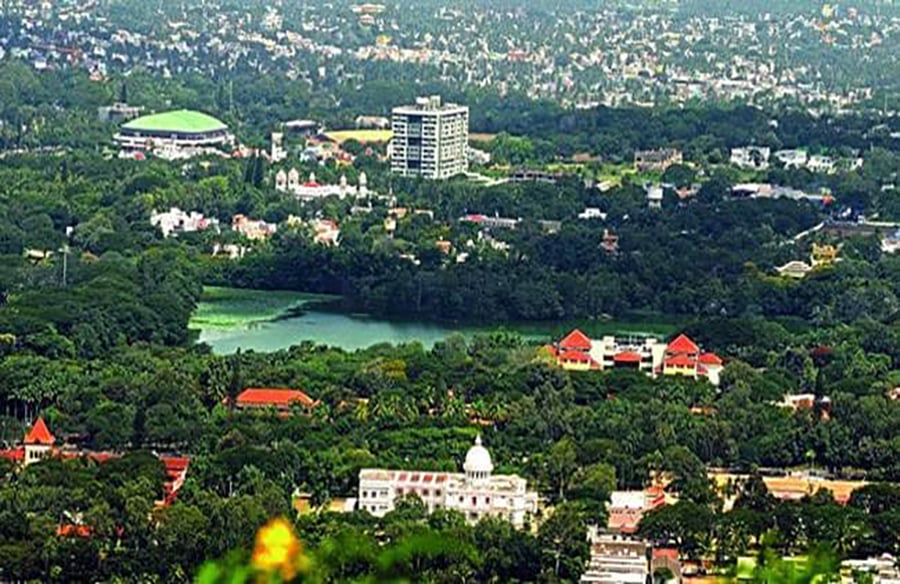
One of the hallmarks of Mysore’s green evolution is its dedication to preserving and enhancing green spaces. Parks, botanical gardens, and tree-lined avenues not only contribute to the aesthetic appeal of the city but also serve as crucial hubs for biodiversity. Mysore’s commitment to maintaining and expanding green spaces is a testament to its understanding of the symbiotic relationship between urban development and the preservation of natural ecosystems.
Waste Management Strategies: From Waste to Resource
Mysore’s waste management strategies are a case study in turning challenges into opportunities. The city has implemented innovative waste segregation at source, reducing the burden on landfills and facilitating the recycling process. Composting initiatives have gained traction, transforming organic waste into nutrient-rich compost for local agriculture. Mysore’s waste management model serves as a beacon for other cities grappling with the escalating challenges of urban waste.
Policy and Governance for Green Urbanism: A Blueprint for Success
Behind Mysore’s green facade lies a robust framework of policies and governance mechanisms aimed at fostering sustainable urban development. Stringent building codes, incentives for eco-friendly practices, and active citizen participation have all played pivotal roles in shaping Mysore’s green journey. The city’s leadership has demonstrated a commitment to long-term sustainability, navigating the delicate balance between progress and environmental preservation.
Challenges and Solutions: Navigating the Path to Sustainability
While Mysore stands as a shining example of green urbanism, it has not been immune to challenges. Rapid urbanization, population growth, and evolving economic dynamics have presented hurdles on the path to sustainability. However, Mysore’s proactive approach to addressing these challenges through adaptive urban planning, community engagement, and technological innovations showcases its resilience and commitment to overcoming obstacles.
Conclusion: Mysore’s Ongoing Green Odyssey
Mysore’s transformation into a green city is not a destination but an ongoing journey. As urban landscapes worldwide grapple with the imperative of sustainability, Mysore stands tall as a beacon of inspiration. The city’s commitment to urban planning, sustainability initiatives, renewable energy, green spaces, biodiversity conservation, and effective waste management serves as a blueprint for other cities aspiring to marry progress with ecological responsibility.
Embrace the Green Revolution: Explore, Learn, Act!
In conclusion, Mysore beckons us to delve deeper into the nuances of sustainable urban living. As a reader, take this opportunity to explore further, learn from Mysore’s successes and challenges, and consider how you can contribute to the green revolution in your own community. The journey towards sustainable urbanism requires collective action, informed decisions, and a commitment to a greener, healthier future for generations to come. Let Mysore be your guide in this transformative endeavor.