Moshe Safdiem – Famous Architects in the World of all Time
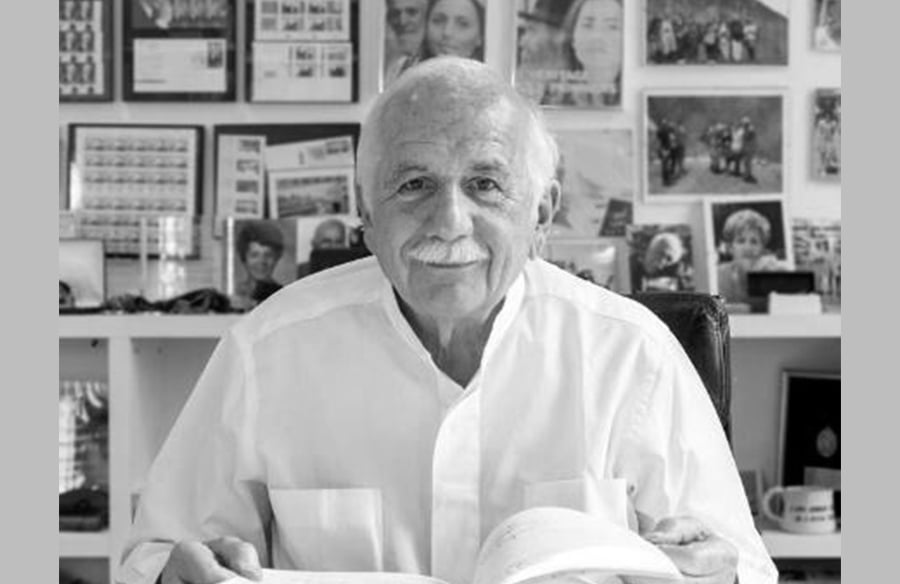
Moshe Safdie, a prominent architect, urban planner, and educator, has made profound contributions to the field of architecture with his innovative designs and commitment to creating human-centric spaces that resonate with their users.
Early Life and Education
Born in 1938 in Haifa, Israel, Moshe Safdie moved to Canada, where he studied architecture at McGill University in Montreal. His early exposure to diverse cultural influences shaped his architectural vision, emphasizing the integration of cultural context into his designs.
Breakthrough with Habitat 67
Safdie gained international acclaim early in his career with the design of Habitat 67 for the Expo 67 World’s Fair in Montreal. This innovative housing complex, featuring prefabricated modules and a unique stacked design, reimagined urban living by combining the benefits of high-density housing with a sense of community and privacy.
Humanizing Urban Spaces
Safdie’s architectural philosophy revolves around humanizing urban spaces. He focuses on creating environments that enhance the quality of life for their inhabitants, blending functionality with aesthetic appeal.
Significant Works
Throughout his career, Moshe Safdie has crafted a diverse portfolio of impactful structures worldwide. Notable among these is the Marina Bay Sands in Singapore, an iconic integrated resort featuring a striking rooftop park with infinity pools that redefine the concept of urban leisure and entertainment.
Another landmark project is the National Gallery of Canada in Ottawa, renowned for its innovative use of geometry and natural light to create an inviting and contemplative space for art and culture.
Influence of Context and Culture
Safdie’s designs are deeply rooted in their context and culture. His projects often incorporate elements of local heritage and traditions, seamlessly integrating modern architecture with the cultural fabric of the surrounding environment.
Commitment to Sustainability
Moshe Safdie has demonstrated a strong commitment to sustainability in his designs. He advocates for environmentally conscious architecture, incorporating green building practices and innovative technologies to create energy-efficient and eco-friendly spaces.
Continued Impact and Legacy
Safdie’s architectural legacy extends beyond his built works. His teachings, writings, and advocacy for human-centric design continue to inspire architects and urban planners globally, emphasizing the importance of creating spaces that prioritize the well-being of their users.