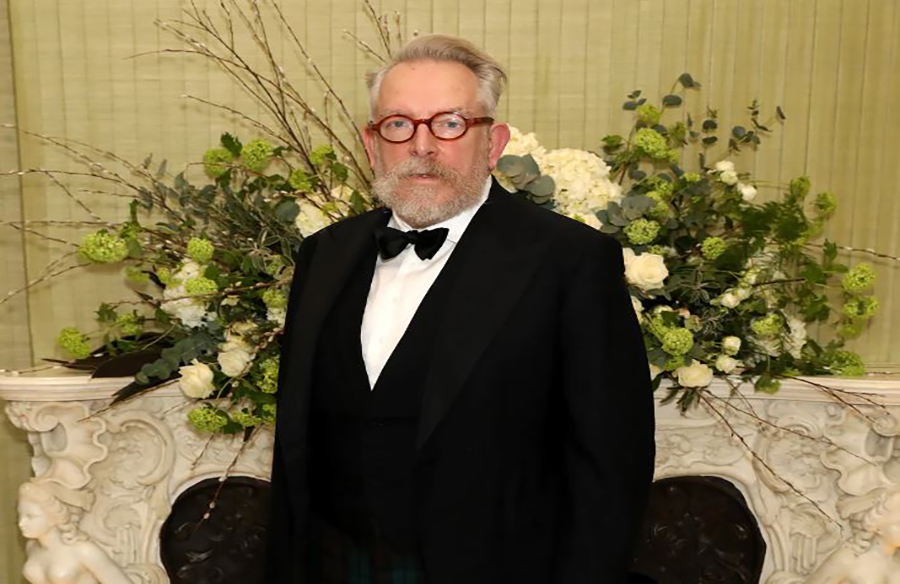
Michael Howells – Famous set designers of all times around the world
In the realm of set design, Michael Howells emerges as a virtuoso, weaving his artistic brilliance into the fabric of cinematic and theatrical narratives. With a distinguished career that spans film, television, and theater, Howells stands as a luminary in the field, leaving an indelible mark on the visual storytelling landscape. This article delves into the extraordinary body of work by Michael Howells, exploring his innovative design philosophy and the profound impact he has made on the global stage.
Early Years and Formative Education
Michael Howells’ journey into the world of design was shaped by early influences and a passion for creating immersive environments. His formative education at renowned design institutions provided the groundwork for honing his craft, instilling in him a deep appreciation for the intersection of architecture and storytelling.
Cinematic Grandeur: Howells’ Impact on Film
“Anna Karenina” (2012)
A testament to Michael Howells’ cinematic prowess is evident in his work on “Anna Karenina.” The film, directed by Joe Wright, featured elaborate and theatrical sets that seamlessly integrated with the narrative. Howells’ innovative approach, including the use of a single, fluid set to represent different locations, added a unique dimension to the visual storytelling, earning him acclaim for his ingenuity.
“Victoria & Abdul” (2017)
In the historical drama “Victoria & Abdul,” Howells’ meticulous attention to detail in recreating the opulence of the Victorian era played a crucial role in immersing audiences in the film’s setting. The grandiose interiors and authentic period design showcased Howells’ commitment to authenticity, transporting viewers to a bygone era.
“Gosford Park” (2001)
Collaborating with director Robert Altman on “Gosford Park,” Michael Howells contributed to the creation of an intricately detailed set that captured the essence of an English country estate in the early 20th century. The film’s success in portraying the social dynamics of the time was enhanced by Howells’ skillful execution of period-appropriate design.
Theatrical Marvels: Howells’ Influence on Stage Design
“Chitty Chitty Bang Bang” Musical (2002)
Michael Howells’ influence extends beyond the silver screen to the theatrical stage, as demonstrated in his work on the musical “Chitty Chitty Bang Bang.” The whimsical and fantastical sets brought the beloved story to life on stage, showcasing Howells’ ability to create enchanting environments that captivate audiences in live performances.
“The Importance of Being Earnest” (2011)
For the theatrical production of Oscar Wilde’s “The Importance of Being Earnest,” Howells’ designs captured the wit and elegance of the play. The period-specific sets, adorned with intricate details, reflected Howells’ dedication to creating immersive stage environments that enhance the overall theatrical experience.
Design Philosophy: Blending Aesthetics and Narrative
At the core of Michael Howells’ design philosophy lies a seamless blending of aesthetics and narrative. His sets are not mere backdrops but dynamic elements that contribute to the storytelling process. Howells’ ability to balance visual appeal with narrative significance positions him as a designer with a profound understanding of the symbiotic relationship between design and storytelling.
Collaboration and Innovation
Howells’ collaborative spirit and innovative approach are evident in his partnerships with visionary directors and producers. Working alongside creative minds, he consistently pushed the boundaries of what could be achieved in the realm of set design, contributing to the success of numerous cinematic and theatrical productions.
Awards and Accolades
Michael Howells’ contributions to the world of set design have earned him numerous awards and accolades. Recognition from esteemed institutions and industry peers underscores his status as a trailblazer in the design and architecture industry.
Impact on Contemporary Design Practices
Howells’ influence extends beyond the realms of film and theater, resonating in the practices of contemporary designers and architects. His ability to seamlessly merge different design elements, creating immersive environments that transcend traditional boundaries, serves as a source of inspiration for emerging talents in the design industry.
Conclusion
As we reflect on Michael Howells’ illustrious career, it becomes evident that his legacy is not confined to the sets he created – it is a celebration of the transformative power of design in shaping cinematic and theatrical narratives. His ability to craft immersive environments that resonate with audiences globally showcases Howells as a visionary in the design and architecture industry. Michael Howells’ journey stands as a testament to the enduring impact of design on the way we experience and interpret stories on both screen and stage.