Mexico City, Mexico – Most Populated Cities in the World
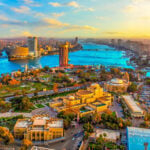
Mexico City, the vibrant capital of Mexico, stands as a metropolis pulsating with architectural brilliance, weaving a narrative through its rich history and rapid urbanization. This article delves into the intricate architectural landscape of Mexico City, exploring its evolution, design philosophies, and the transformative constructions that define this populous city.
Mexico City’s Population Dynamics
Population Magnitude
Mexico City, with a population exceeding 21 million, is one of the most densely inhabited cities globally. The city’s exponential population growth is emblematic of Mexico’s urbanization and economic prominence. Nestled in the Valley of Mexico, the capital’s strategic location has played a pivotal role in shaping its demographic landscape.
Architectural Diversity in Mexico City
Historical Heritage
Mexico City proudly preserves its historical heritage through architectural gems like the Metropolitan Cathedral and the National Palace. These structures, echoing the influence of Spanish colonial and indigenous architectural styles, serve as cultural bastions amid the city’s dynamic urban fabric. Amidst the contemporary skyline, these historical landmarks tell the story of Mexico City’s journey through time.
Modern Urban Landscape
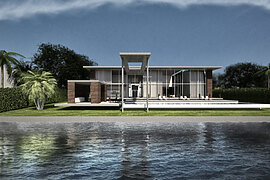
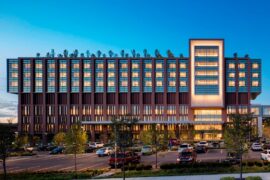
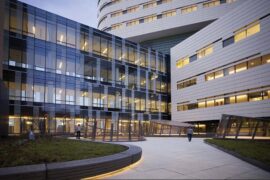
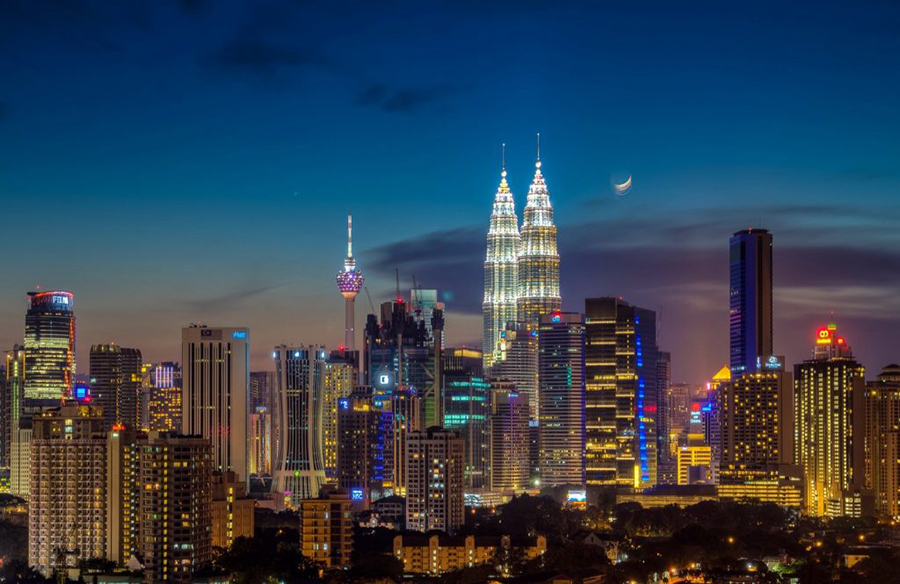
Mexico City’s skyline is a testament to its modernity, showcasing a blend of avant-garde and traditional architectural styles. The city’s architects navigate the challenge of limited space with innovative designs, emphasizing functionality without compromising aesthetic appeal. Mexico City’s urban landscape serves as a testament to the dynamic spirit of architectural innovation.
Sustainable Architecture Initiatives
Green Initiatives
As Mexico City confronts environmental challenges, architects have embraced sustainable solutions. Green building practices, including energy-efficient designs, use of eco-friendly materials, and integration of green spaces, are becoming integral to the city’s architectural discourse. These initiatives underscore Mexico City’s commitment to balanced urban development.
Urban Planning and Zoning Strategies
Meticulous Zoning
Mexico City’s urban planning is characterized by meticulous zoning strategies aimed at accommodating its burgeoning population. The city’s approach to mixed-use zoning fosters the integration of residential, commercial, and recreational spaces. Planners in Mexico City strive to create cohesive neighborhoods that cater to the diverse needs of its inhabitants.
Resilience in the Face of Environmental Challenges
Seismic-Resistant Architecture
Situated in a seismic zone, Mexico City’s architects prioritize resilient designs to withstand potential earthquakes. The incorporation of seismic-resistant features, advanced engineering, and robust materials in structures reflects the city’s commitment to ensuring the safety and stability of its buildings.
Technological Integration in Mexico City’s Architecture
Digital Advancements
Mexico City’s architectural landscape is influenced by technological advancements and innovative construction methods. The city embraces digital tools, smart building systems, and state-of-the-art materials to enhance both the functionality and sustainability of its structures. Mexico City’s commitment to technological integration positions it as a hub for modern architectural practices.
Architectural Icons of Mexico City
Palacio de Bellas Artes (Palace of Fine Arts)
The Palacio de Bellas Artes, designed by Adamo Boari, stands as an iconic symbol of Mexico City’s architectural prowess. Combining neoclassical and Art Deco styles, the palace is a cultural hub featuring exhibitions, concerts, and theatrical performances. The Palacio de Bellas Artes remains a testament to timeless architectural brilliance.
Torre Reforma
Torre Reforma, designed by Benjamín Romano, is a modern architectural marvel in Mexico City. As the tallest building in the city, its sleek design and sustainable features contribute to the skyline’s contemporary allure. Torre Reforma exemplifies Mexico City’s commitment to pushing the boundaries of architectural excellence.
Mexico City’s Future Architectural Landscape
As Mexico City continues its trajectory of growth, the architectural landscape is poised for further innovation. Urban planners and architects are exploring futuristic designs, integrating smart technologies, and prioritizing sustainability. Mexico City’s commitment to sustainable practices, technological integration, and resilient design will shape its architectural future.
Conclusion
In conclusion, Mexico City stands as a vibrant tapestry of architectural brilliance, weaving together historical legacies and modern ingenuity. From colonial landmarks narrating the city’s past to contemporary structures defining its skyline, Mexico City reflects the resilience and adaptability of its architects. As the city propels itself into the future, its architectural landscape promises to be an engaging canvas for designers, architects, and urban enthusiasts, showcasing the dynamic spirit of Mexican architecture.