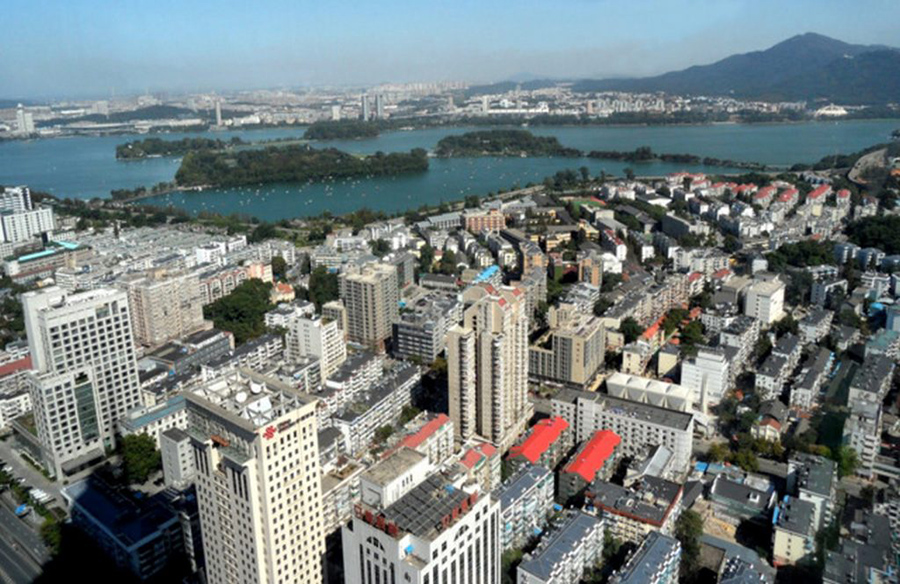
Kinshasa, Democratic Republic of Congo – Most Populated Cities in the World
Kinshasa, the vibrant capital of the Democratic Republic of Congo, emerges as a sprawling metropolis where architectural innovation intersects with the rich cultural fabric of Central Africa. This article navigates through the diverse architectural landscape of Kinshasa, unraveling its evolution, design philosophies, and the transformative constructions that characterize this populous city.
Kinshasa’s Population Dynamics
Population Dynamics
Kinshasa, with a population exceeding 14 million, stands as one of Africa’s most populous cities. The city’s growth reflects not only urbanization trends but also the complex socio-economic dynamics of the Democratic Republic of Congo. Positioned along the Congo River, Kinshasa’s strategic location has been pivotal in shaping its demographic landscape.
Architectural Diversity in Kinshasa
Historical and Cultural Significance
Kinshasa proudly showcases its historical and cultural heritage through architectural landmarks like the Palais de la Nation, the Notre-Dame Cathedral, and the Académie des Beaux-Arts. These structures, blending colonial and contemporary influences, serve as architectural benchmarks, reflecting the city’s deep connection to its past.
Informal Settlements and Urban Challenges
Kinshasa’s architectural landscape is marked by a blend of formal and informal settlements. While historical structures symbolize Kinshasa’s roots, informal settlements highlight the challenges of rapid urbanization. Architects in Kinshasa grapple with the complexities of limited resources and burgeoning populations, seeking sustainable solutions for inclusive urban development.
Sustainable Architecture Initiatives
Challenges and Opportunities
Kinshasa faces environmental challenges, and architects are gradually embracing sustainable solutions. The city’s architectural discourse includes discussions on energy-efficient designs, use of local materials, and initiatives to address waste management. However, the balance between rapid urbanization and sustainable practices remains an ongoing challenge.
Urban Planning and Zoning Strategies
Mixed-Use Urban Planning
Kinshasa’s urban planning is characterized by strategies aimed at accommodating diverse functions within limited space. The city’s mixed-use zoning aims to integrate residential, commercial, and recreational areas, fostering cohesive neighborhoods. Planners in Kinshasa navigate the unique urban challenges of the megacity to create sustainable and inclusive urban environments.
Resilience in the Face of Urban Challenges
Adapting to Urban Dynamics
Kinshasa, like many African megacities, grapples with informal settlements and inadequate infrastructure. Architects prioritize resilient designs that adapt to the evolving urban dynamics, emphasizing flexibility and innovative solutions. The city’s architectural resilience reflects its determination to address the complex challenges of urbanization.
Technological Integration in Kinshasa’s Architecture
Technological Advances and Accessibility
Kinshasa’s architectural landscape integrates technological advancements to enhance accessibility and functionality. From digital mapping for urban planning to the use of sustainable technologies, Kinshasa’s architects leverage innovation to overcome infrastructure limitations. The city’s commitment to technological integration positions it as a hub for progressive architectural practices in Central Africa.
Architectural Icons of Kinshasa
Stade des Martyrs
Stade des Martyrs, an iconic sports stadium in Kinshasa, stands as a symbol of the city’s architectural prowess. Its grandeur and modern design make it a landmark in Kinshasa’s evolving skyline. The Stade des Martyrs represents Kinshasa’s commitment to fostering not only sports but also architectural innovation.
Pullman Grand Hotel
The Pullman Grand Hotel, a contemporary architectural gem in Kinshasa, contributes to the city’s modern aesthetic. Its sleek design and state-of-the-art facilities cater to both locals and international visitors, exemplifying Kinshasa’s embrace of modernity in architecture.
Kinshasa’s Future Architectural Landscape
As Kinshasa continues to evolve, the city’s architectural landscape is poised for further transformation. Urban planners and architects are exploring innovative solutions to accommodate the growing population while preserving the city’s cultural and historical identity. Kinshasa’s commitment to sustainable practices, technological integration, and resilient design will shape its architectural future.