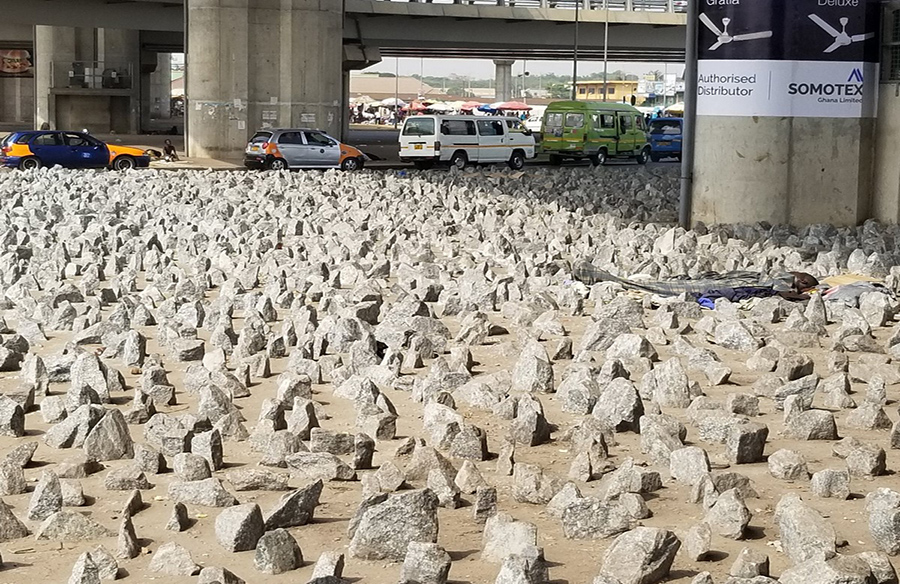
Jagged Rocks in Accra, Ghana – Examples of Hostile Architecture around the World
In the bustling cityscape of Accra, Ghana, a distinctive architectural challenge arises through the presence of jagged rocks—a natural feature that, if left unaddressed, can contribute to the creation of potentially hostile environments. This article delves into the unique characteristics of these rocky formations, explores their impact on urban dynamics, and unveils the architectural strategies employed to navigate these challenges in Accra.
The Significance of Jagged Rocks
Accra’s urban fabric is marked by the integration of nature into the city, with jagged rocks providing both aesthetic appeal and inherent challenges. Understanding the significance of these rocky formations is crucial for architects seeking to balance the natural environment with the creation of safe and functional urban spaces.
Aesthetic Beauty
Jagged rocks contribute to the visual richness of Accra’s landscape. Their unique shapes and textures add a distinct character to the city, creating a sense of connection to the natural surroundings. Architects often seek to preserve and integrate these natural features into their designs to maintain the city’s unique identity.
Challenges in Urban Planning
However, these rocky formations pose challenges in urban planning. Their uneven surfaces and potential for sharp edges can create obstacles that impede pedestrian movement and limit the development of certain areas. Effectively addressing these challenges requires a thoughtful and strategic approach.
Architectural Strategies: Balancing Nature and Urban Design
Architects in Accra employ innovative strategies to navigate the challenges posed by jagged rocks, aiming to create urban spaces that are not only visually appealing but also safe and accessible.
Integration of Walkways
One key strategy involves the integration of well-designed walkways that wind through rocky areas. Architects carefully plan pathways that meander around jagged rocks, allowing pedestrians to navigate the natural terrain seamlessly. This approach preserves the aesthetic beauty of the rocks while ensuring practical accessibility.
Safety Barriers and Railings
In areas where jagged rocks pose potential safety hazards, architects install safety barriers and railings. These structures serve a dual purpose—protecting pedestrians from sharp edges and guiding them along designated pathways. The use of durable and aesthetically pleasing materials ensures that safety features complement the overall design.
Statistical Insights: Evaluating Safety Measures
Analyzing statistical data provides valuable insights into the effectiveness of safety measures implemented in areas with jagged rocks, offering a quantitative perspective on their impact on urban safety.
Reduction in Incidents
Cities that have invested in safety measures around jagged rocks report a notable reduction in incidents related to falls and injuries. The strategic placement of barriers and railings contributes to creating safer pedestrian environments, reducing the risk associated with navigating rocky terrain.
Increased Public Utilization
Data indicates that the implementation of safety measures encourages increased public utilization of areas with jagged rocks. Pedestrians feel more confident in exploring these spaces when they are confident in the safety measures in place, contributing to a more vibrant and dynamic urban experience.
Community Engagement and Inclusive Design
In navigating the challenges posed by jagged rocks, architects actively engage with the local community to ensure that design solutions align with the needs and preferences of the residents.
Community Workshops
Architects organize community workshops to gather input on the design of walkways, safety features, and overall urban planning in areas with jagged rocks. This collaborative approach ensures that the architectural solutions resonate with the cultural and social context of Accra.
Inclusive Design Principles
Adopting inclusive design principles is a central aspect of addressing challenges posed by natural features. Architects prioritize creating spaces that are accessible to individuals of all ages and abilities, fostering a sense of inclusivity in the design of urban environments.
Sustainable Design Practices
Accra’s response to jagged rocks also emphasizes sustainable design practices that align with broader environmental goals and contribute to the resilience of the city.
Preservation of Natural Features
Architects prioritize the preservation of natural features, including jagged rocks, as part of sustainable urban planning. This approach minimizes the environmental impact of construction while celebrating the city’s unique geological formations.
Green Spaces Integration
The integration of green spaces within rocky areas enhances the overall sustainability of urban design. These spaces contribute to biodiversity, improve air quality, and create a harmonious balance between nature and the built environment.
Future Directions in Urban Resilience
The success of architectural strategies in Accra prompts reflections on future directions in urban resilience, inspiring architects to explore new possibilities for creating environments that seamlessly integrate natural features.
Technological Advancements
As technology continues to advance, architects explore the integration of smart technologies into urban design. This includes innovative lighting solutions, interactive installations, and data-driven approaches that enhance the safety and functionality of areas with jagged rocks.
Climate-Responsive Designs
Future trajectories in urban resilience consider climate-responsive designs that adapt to changing weather conditions. Architects explore materials and construction methods that withstand environmental stressors while maintaining the integrity of the built environment.
Conclusion: A Harmonious Urban Landscape
Jagged rocks in Accra, Ghana, present both challenges and opportunities for architects and urban planners. By employing innovative strategies that balance safety, accessibility, and aesthetics, architects contribute to the creation of a harmonious urban landscape that celebrates the natural beauty of the city.
As Accra continues to evolve, the lessons learned from addressing challenges posed by jagged rocks become a source of inspiration for architects globally. The intentional design, statistical impact, and community collaboration underscore the transformative power of architecture in shaping resilient and visually captivating urban spaces. Through thoughtful and adaptive design choices, architects play a pivotal role in creating cities that seamlessly integrate natural features, fostering a sense of pride and connection among residents and visitors alike.