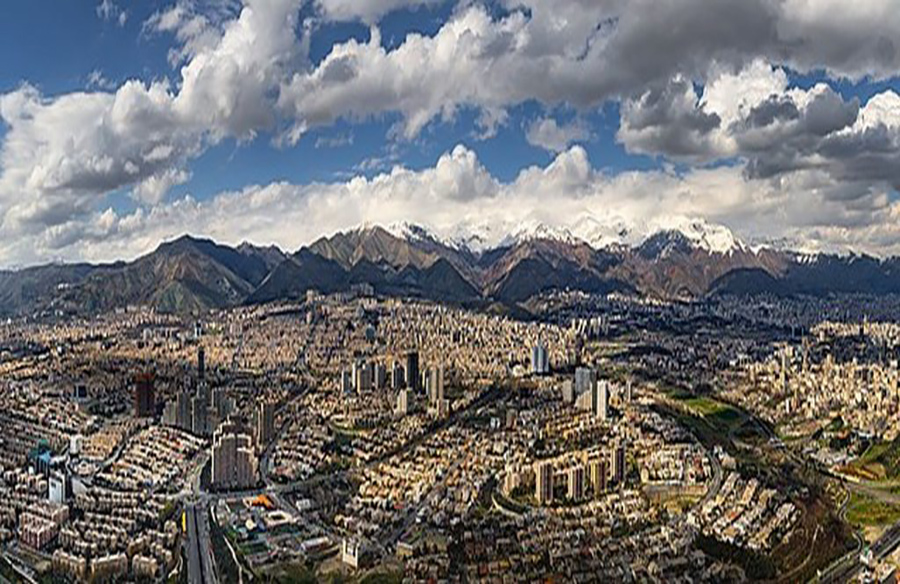
Istanbul, Turkey – Most Populated Cities in the World
Istanbul, the vibrant transcontinental city straddling Europe and Asia, boasts a rich architectural tapestry that weaves together its historical legacy and modern ambitions. This article delves into the intricate architectural landscape of Istanbul, exploring its evolution, design philosophies, and the transformative constructions that define this populous and culturally diverse city.
Istanbul’s Population Dynamics
Population Dynamics
Istanbul, with a population exceeding 15 million, stands as Turkey’s most populous city and one of the most densely populated cities globally. The city’s remarkable growth is emblematic of Turkey’s urbanization and economic vibrancy. Spanning two continents, Istanbul’s unique geographical location has played a pivotal role in shaping its demographic landscape.
Architectural Diversity in Istanbul
Historical Heritage
Istanbul proudly preserves its historical heritage through architectural gems like the Hagia Sophia, the Blue Mosque, and Topkapi Palace. These structures, dating back to Byzantine and Ottoman eras, serve as architectural benchmarks, reflecting the city’s deep cultural legacy. Amidst the modern skyline, these historical landmarks stand as guardians of Istanbul’s profound connection to its past.
Architectural Fusion of East and West
Istanbul’s architectural landscape is a harmonious fusion of East and West. The city’s skyline is adorned with structures like the Istanbul Sapphire and the Kanyon Shopping Mall, showcasing Istanbul’s economic prominence. Architects in Istanbul navigate the confluence of cultures with innovative designs, emphasizing both functionality and aesthetic appeal.
Sustainable Architecture Initiatives
Green Building Initiatives
As Istanbul grapples with environmental challenges, architects have embraced sustainable solutions. Green building practices, including energy-efficient designs, use of eco-friendly materials, and integration of green spaces, are becoming integral to Istanbul’s architectural discourse. These initiatives underscore the city’s commitment to balanced urban development.
Urban Planning and Zoning Strategies
Mixed-Use Urban Planning
Istanbul’s urban planning is characterized by strategies that optimize limited space. The city’s approach to mixed-use zoning fosters the integration of residential, commercial, and recreational spaces. Planners in Istanbul work towards creating cohesive neighborhoods that cater to the diverse needs of its inhabitants.
Resilience in the Face of Environmental Challenges
Seismic-Resistant Architecture
Situated in a seismically active region, Istanbul’s architects prioritize resilient designs to withstand potential earthquakes. The incorporation of seismic-resistant features, advanced engineering, and robust materials in structures reflects the city’s commitment to ensuring the safety and stability of its buildings.
Technological Integration in Istanbul’s Architecture
Smart City Innovations
Istanbul’s architectural landscape is influenced by technological advancements, with a growing emphasis on smart city initiatives. From intelligent building systems to the use of digital technology in urban planning, Istanbul’s architects leverage innovation to enhance both efficiency and sustainability. The city’s commitment to technological integration positions it as a hub for modern architectural practices.
Architectural Icons of Istanbul
Süleymaniye Mosque
The Süleymaniye Mosque, an Ottoman architectural masterpiece, is an iconic symbol of Istanbul. Its grandeur and intricate details showcase the city’s rich cultural and religious heritage. The Süleymaniye Mosque exemplifies Istanbul’s dedication to preserving and celebrating its historical legacy.
Istanbul Modern Art Museum
The Istanbul Modern Art Museum, designed by Pritzker Prize-winning architect Renzo Piano, is a contemporary architectural gem. Its sleek design and innovative exhibition spaces contribute to Istanbul’s vibrant cultural scene. The Istanbul Modern Art Museum represents Istanbul’s commitment to embracing modern architectural styles.
Istanbul’s Future Architectural Landscape
As Istanbul continues to evolve, the city’s architectural landscape is poised for further transformation. Urban planners and architects are exploring innovative solutions to accommodate the growing population while preserving the city’s historical identity. Istanbul’s commitment to sustainable practices, technological integration, and resilient design will shape its architectural future.