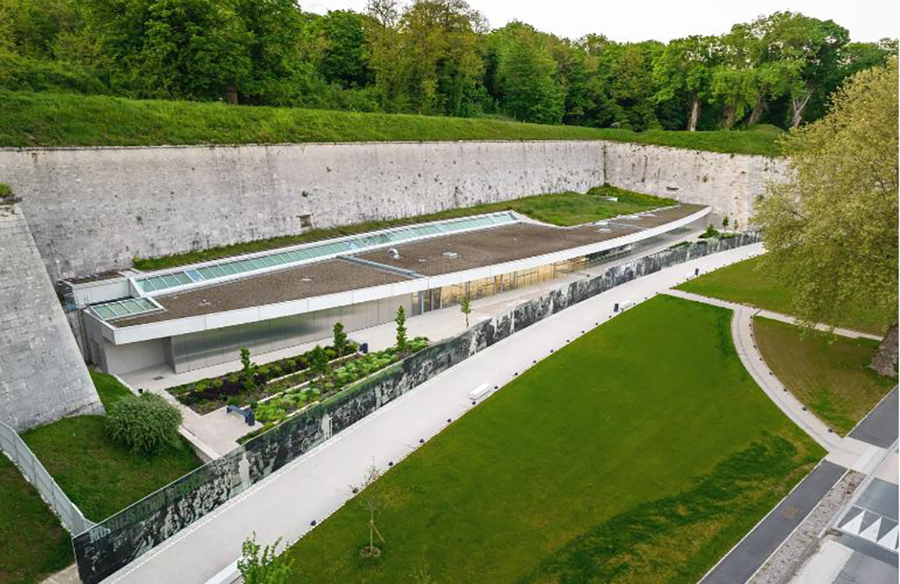
Interpretation Center – Community Architecture – 20 Types of Architecture thesis topics
In the realm of architecture, the fusion of design and community engagement has given rise to a distinctive typology – the Interpretation Center in Community Architecture. This article delves into the intricacies of this architectural phenomenon, providing a thorough understanding for students of architecture seeking a compelling thesis topic.
Defining Community Architecture
Understanding the Essence
Community architecture transcends the traditional boundaries of design by placing a strong emphasis on social integration and shared experiences. It envisions spaces that not only serve functional purposes but also act as catalysts for community interaction and cohesion.
The Role of Interpretation Centers
A Nexus of Education and Community
Interpretation centers within the realm of community architecture serve as hubs for education, information dissemination, and cultural exchange. These centers play a pivotal role in fostering a sense of identity and belonging among community members.
Typology of Interpretation Centers
Variations and Adaptations
- Cultural Interpretation Centers:
-
- Explore how these centers celebrate and preserve the rich cultural heritage of a community.
- Showcase architectural elements that reflect cultural nuances and traditions.
- Environmental Interpretation Centers:
-
- Discuss the integration of sustainable design principles.
- Examine how these centers educate the community on environmental conservation.
- Historical Interpretation Centers:
-
- Delve into the architectural strategies employed to narrate the history of a community.
- Highlight the use of technology, exhibits, and spatial arrangements to engage visitors.
Design Principles in Community Architecture
Creating Spaces that Inspire
- Inclusivity:
-
- Discuss how architects prioritize accessibility to ensure that everyone feels welcome.
- Showcase case studies where inclusive design has positively impacted community engagement.
- Flexibility:
-
- Explore the concept of adaptable spaces that can evolve with the changing needs of the community.
- Highlight architectural features that promote multifunctionality.
- Interactive Design:
-
- Examine how architects incorporate interactive elements to enhance the visitor experience.
- Showcase examples where technology and design converge to create immersive spaces.
Case Studies
Realizing Community Vision
- The Portland Community Center:
-
- Analyze how this center integrates sustainability with modern design.
- Explore community programs and initiatives that have flourished within its walls.
- Barcelona’s Cultural Interpretation Hub:
-
- Examine how the center preserves and promotes the diverse cultural heritage of the region.
- Discuss the role of architecture in fostering a sense of pride and unity among residents.
Challenges and Solutions
Navigating the Complexities
- Community Engagement Challenges:
-
- Explore common obstacles in engaging the community during the design process.
- Provide solutions and best practices for architects to overcome these challenges.
- Sustainability Integration:
-
- Discuss the challenges architects face in incorporating sustainable practices.
- Highlight successful strategies employed in existing interpretation centers.
The Future of Community Architecture
Innovations and Trends
- Technology Integration:
-
- Explore emerging technologies such as virtual reality and augmented reality in community architecture.
- Discuss their potential impact on the visitor experience and educational outreach.
- Global Collaboration:
-
- Highlight the increasing trend of architects collaborating globally on community-centric projects.
- Discuss the benefits and challenges of cross-cultural design initiatives.
Conclusion
In conclusion, the intersection of interpretation centers and community architecture represents a dynamic field where design meets the societal fabric. As students of architecture contemplate their thesis topics, delving into the nuances of this typology opens a gateway to a world where spaces not only shelter but also narrate the stories and aspirations of the communities they serve.
Calls to Action
- Explore Community Centers Near You:
-
- Encourage readers to visit local interpretation centers to witness the principles discussed in action.
- Engage in Community Architectural Initiatives:
-
- Inspire budding architects to actively participate in projects that contribute to community development.
- Stay Updated on Trends:
-
- Urge readers to stay informed about the latest trends and innovations in community architecture for continuous inspiration and learning.
By fostering an appreciation for the symbiotic relationship between architecture and community, we pave the way for a future where the built environment becomes a powerful tool for social change and unity.