Huts Of The Shom Peṅ – Vernacular Architecture: Andaman and Nicobar Islands
In the realm of architectural wonders, the Huts of the Shom Peṅ stand as a testament to the rich cultural heritage and ingenious design prowess of a community deeply rooted in tradition. Nestled in a region where architecture and culture intertwine, these huts showcase a unique blend of functionality, sustainability, and aesthetic appeal. Join us on a captivating journey as we delve into the intricacies of Shom Peṅ architecture, interior design, and urban planning.
Understanding the Shom Peṅ Culture
Before embarking on a detailed exploration of the Huts of the Shom Peṅ, it is imperative to grasp the cultural backdrop that shapes these architectural marvels. The Shom Peṅ people, with their distinct customs and way of life, have cultivated a harmonious relationship with their environment over centuries. This deep connection is vividly reflected in their architectural practices, where tradition and modernity coalesce seamlessly.
Architectural Features of Shom Peṅ Huts
Traditional Construction Techniques
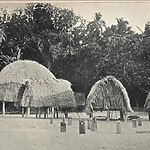
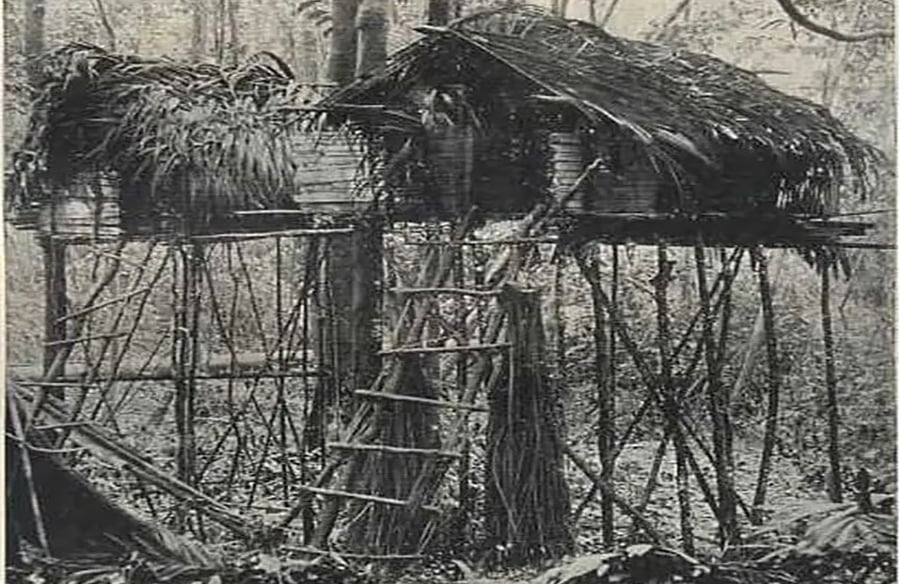
The construction of Shom Peṅ huts is a meticulous process rooted in age-old techniques passed down through generations. Typically built with locally-sourced materials such as bamboo, thatch, and mud, these huts exemplify sustainable building practices. The Shom Peṅ people prioritize materials that are not only abundant in their surroundings but also contribute to the overall resilience of the structures.
Innovative Roofing Designs
One striking feature of Shom Peṅ huts is the innovative roofing designs that cater to the region’s specific climatic conditions. The steep-pitched roofs not only facilitate efficient water runoff during monsoons but also provide natural ventilation, ensuring a comfortable living environment. This ingenious approach to roofing design showcases the Shom Peṅ people’s deep understanding of their natural surroundings.
Spatial Arrangement and Functionality
Shom Peṅ huts are not merely structures; they are meticulously designed spaces that cater to the diverse needs of the community. The interior layout often includes a central communal area surrounded by individual living spaces. This spatial arrangement fosters a sense of community while respecting the privacy of individual households. The furniture within these huts is often handmade, reflecting the community’s commitment to craftsmanship and sustainable living.
Interior Design Aesthetics
Earthy Tones and Natural Elements
The interior design of Shom Peṅ huts is a celebration of nature’s palette. Earthy tones dominate the color scheme, creating a warm and inviting ambiance. Natural elements such as woven mats, wooden furniture, and handcrafted textiles are seamlessly integrated into the interior design, creating a harmonious connection between the built environment and the natural world.
Multifunctional Living Spaces
Versatility is a key principle in Shom Peṅ interior design. Furniture and living spaces are often multifunctional, serving different purposes throughout the day. This adaptability reflects the practicality embedded in Shom Peṅ culture, where every element of the living space is designed to enhance the overall quality of life.
Urban Planning in Shom Peṅ Communities
Community-centric Layouts
Beyond individual huts, the urban planning of Shom Peṅ communities exemplifies a thoughtful and community-centric approach. Common areas, communal facilities, and pathways are meticulously planned to foster social interaction and a sense of unity. The layout of these communities is a reflection of the Shom Peṅ people’s commitment to collective well-being.
Sustainable Infrastructure
Sustainability is at the core of Shom Peṅ urban planning. From water harvesting systems to waste management practices, every aspect of infrastructure is designed with a keen eye on environmental impact. The Shom Peṅ people understand the importance of living in harmony with nature, and this ethos is deeply ingrained in their urban planning principles.
Preserving the Shom Peṅ Architectural Heritage
As globalization and modernization continue to shape the world, there is a growing need to preserve and celebrate unique architectural heritages like that of the Shom Peṅ. Architects, interior designers, and urban planners can draw inspiration from these traditional practices to create sustainable and culturally resonant designs that stand the test of time.
Conclusion: Embracing Tradition in Modern Architecture
The Huts of the Shom Peṅ stand as living monuments to the rich cultural tapestry of a community deeply connected to its roots. The architectural brilliance, interior design aesthetics, and urban planning principles showcased in Shom Peṅ structures offer invaluable lessons for the modern world. As we continue to evolve, let us not forget the wisdom embedded in the traditional practices of cultures like the Shom Peṅ, embracing a future where architecture harmonizes with both nature and tradition.
In the journey through the Huts of the Shom Peṅ, one finds not just buildings but a living testament to the enduring power of thoughtful design and cultural preservation. Let these structures inspire a new generation of architects and designers to create spaces that not only stand tall but also stand the test of time.