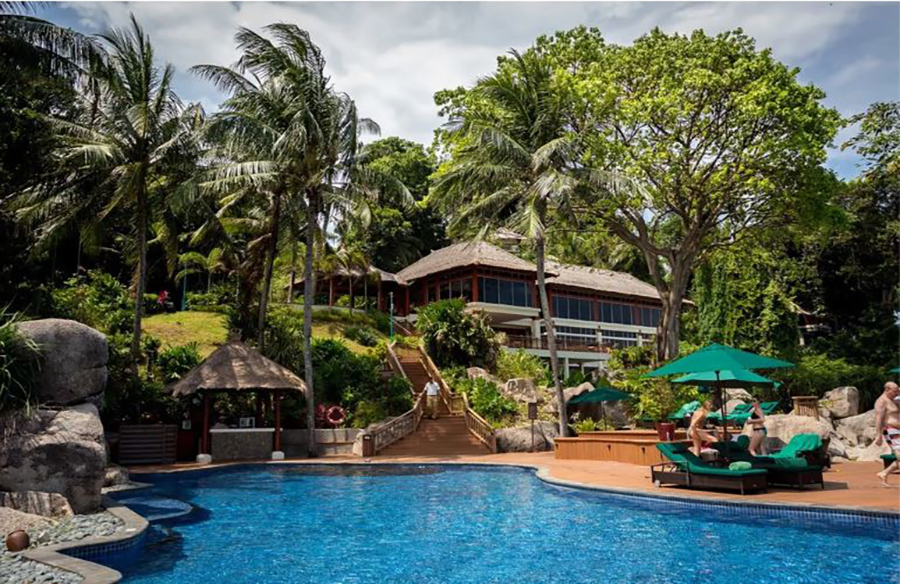
Hot Park – Rio Quente, Brazil – Biggest Water Parks
Nestled in the heart of Brazil, Hot Park in Rio Quente is a spectacular fusion of architectural brilliance and natural wonders. This enchanting destination seamlessly integrates cutting-edge design with the lush landscapes, creating an immersive experience for tourists seeking both relaxation and adventure. In this comprehensive guide, we delve into the architectural marvels of Hot Park, exploring its unique features, attractions, and the seamless blend of design and nature.
Architectural Grandeur at Hot Park
Hot Park stands as a testament to innovative architectural design, with structures that complement the surrounding environment. The park’s buildings are carefully crafted to harmonize with the natural beauty of the region while offering a comfortable and aesthetically pleasing experience for visitors.
-
Sustainable Design
The architects behind Hot Park prioritized sustainability, incorporating eco-friendly practices into the design and construction. The park’s structures utilize locally sourced materials, minimizing the environmental impact. Additionally, energy-efficient systems and water conservation measures contribute to the park’s commitment to sustainable tourism.
-
Tropical Modernism
Hot Park embraces the principles of Tropical Modernism in its architecture. This design style seamlessly combines modern elements with traditional tropical aesthetics, featuring open spaces, natural ventilation, and the use of indigenous materials. The result is a visually stunning and environmentally conscious retreat.
Attractions That Wow: A Tourist’s Paradise
Beyond its architectural brilliance, Hot Park is a haven for tourists seeking a diverse range of activities. Let’s explore the attractions that make this destination a must-visit for architecture enthusiasts and nature lovers alike.
-
Hot Springs and Thermal Pools
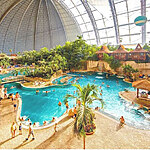
One of the primary draws of Hot Park is its natural hot springs and thermal pools. The architects strategically designed these areas to enhance the therapeutic benefits of the geothermal features while creating visually appealing landscapes. Visitors can relax in these soothing waters surrounded by lush greenery and carefully placed architectural elements that blend seamlessly with the surroundings.
-
Aquatic Adventure Complex
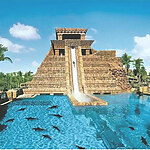
The park’s aquatic adventure complex is a feat of engineering and design. Architectural ingenuity is on full display with thrilling water slides, lazy rivers, and interactive play areas. The structures are not only exhilarating but also meticulously designed to ensure safety and accessibility for visitors of all ages.
-
Ecolodge Accommodations
For those seeking an immersive experience, Hot Park offers ecolodge accommodations that showcase a perfect marriage of architecture and nature. These lodges are strategically positioned to provide breathtaking views of the surrounding landscape while incorporating sustainable design practices. Guests can unwind in comfort, knowing their stay has minimal impact on the environment.
Education Through Architecture: A Call to Explore
Hot Park not only provides a recreational escape but also serves as an educational platform for architecture and design enthusiasts. Visitors are encouraged to explore the nuances of the park’s architecture through guided tours and interactive exhibits. This unique approach fosters an appreciation for the symbiotic relationship between human-made structures and the natural environment.
Preserving the Beauty: Call to Sustainable Tourism
As an authority in the architecture, interior design, and tourism industry, it is imperative to advocate for sustainable tourism practices. Hot Park sets an example by seamlessly integrating architectural marvels with the untouched beauty of Rio Quente. Travelers are urged to respect the environment, follow designated paths, and embrace the ethos of responsible tourism.
Conclusion: A Tapestry of Nature and Architecture
Hot Park in Rio Quente, Brazil, is not merely a destination but a living masterpiece where architecture and nature coalesce. From sustainable design practices to thrilling attractions, every aspect of the park tells a story of thoughtful planning and execution. As an authority in the field, it is crucial to celebrate and promote such endeavors that showcase the potential for harmonious coexistence between architectural innovation and the natural world.
In conclusion, Hot Park stands as a shining example of what can be achieved when architecture embraces and enhances the beauty of its surroundings. It beckons tourists and design enthusiasts alike to explore, learn, and contribute to the preservation of our planet’s wonders.