Hempcrete – Green substitutes for concrete
In the realm of eco-friendly alternatives for traditional concrete, Hempcrete stands out as a revolutionary material, offering a sustainable and versatile solution for the construction industry. This article delves into the innovative world of Hempcrete, exploring its composition, environmental impact, and its potential to redefine the way we approach sustainable construction practices.
Understanding Hempcrete: An Eco-Friendly Construction Marvel
Composition and Manufacturing Process
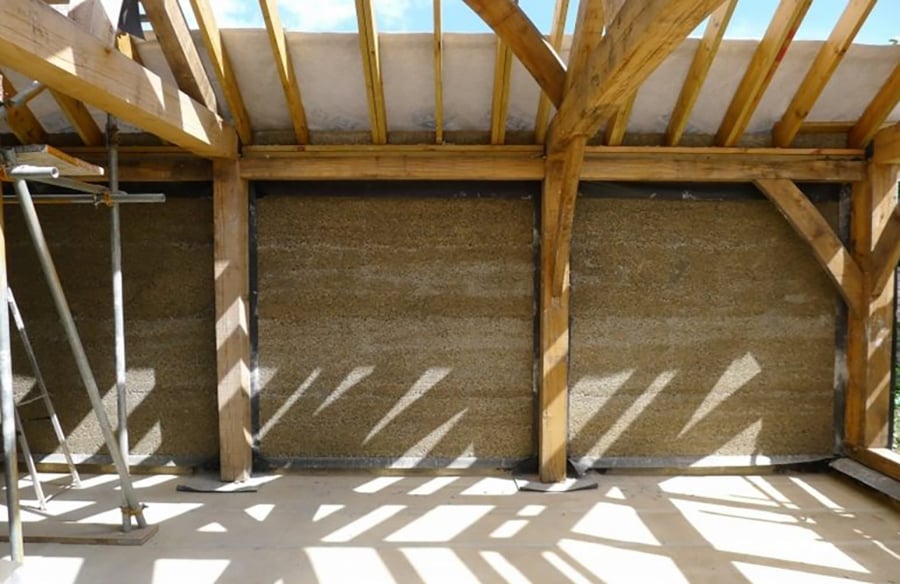
Hempcrete is a composite material made from the inner woody fibers of the hemp plant, lime, and water. The manufacturing process involves combining these natural ingredients to create a lightweight, insulating, and breathable material. The result is a sustainable alternative to traditional concrete that embodies the principles of green construction.
Hemp Fibers: A Key Ingredient
The use of hemp fibers in Hempcrete is crucial to its structural integrity. These fibers, derived from the industrial hemp plant (Cannabis sativa), provide reinforcement within the material, enhancing its strength and durability. The combination of hemp fibers with lime creates a unique matrix that contributes to Hempcrete’s eco-friendly characteristics.
Environmental Advantages of Hempcrete
Carbon Sequestration and Reduced Emissions
Hempcrete stands as a carbon-negative material, contributing to environmental sustainability. During its growth, the hemp plant absorbs carbon dioxide from the atmosphere through photosynthesis. When used in Hempcrete, the carbon remains sequestered, offsetting the carbon emissions associated with traditional concrete production.
Renewable and Biodegradable
The hemp plant is highly renewable, with a rapid growth cycle and minimal environmental impact. Hempcrete materials are biodegradable, presenting a contrast to traditional concrete that often contributes to landfill waste. The biodegradability of Hempcrete ensures a reduced environmental footprint throughout its lifecycle.
Structural Applications of Hempcrete
Insulation Properties
Hempcrete excels as an insulating material, offering thermal performance superior to conventional concrete. Its unique composition creates a breathable structure that regulates humidity, promoting a comfortable indoor environment. Architects and builders increasingly turn to Hempcrete for its insulation properties, contributing to energy-efficient and sustainable building designs.
Lightweight Construction
The lightweight nature of Hempcrete makes it suitable for various construction applications, especially in residential and low-rise structures. The reduced weight not only simplifies construction processes but also lowers transportation costs and minimizes the environmental impact associated with heavier building materials.
Challenges and Ongoing Research
Standardization and Regulatory Considerations
The adoption of Hempcrete faces challenges related to standardization and regulatory approval. Architects and builders navigating building codes must contend with varying regulations governing the use of unconventional materials. Ongoing research and collaboration within the industry are essential in establishing standardized practices for Hempcrete applications.
Durability and Longevity
While Hempcrete exhibits excellent insulation properties, questions regarding its long-term durability and resistance to external elements persist. Researchers are actively exploring formulations and treatments to enhance Hempcrete’s resilience, ensuring that it meets the stringent demands of different climates and construction requirements.
Comparisons with Other Green Alternatives
Hempcrete vs. Traditional Concrete
Comparisons between Hempcrete and traditional concrete reveal stark differences in environmental impact. Hempcrete’s carbon-negative nature contrasts with the carbon emissions associated with cement production. Additionally, the renewable and biodegradable qualities of Hempcrete position it as a greener alternative, promoting sustainability in construction practices.
Hempcrete vs. Insulation Materials
In the realm of insulation materials, Hempcrete competes with traditional options such as fiberglass and foam boards. The natural composition of Hempcrete offers advantages such as breathability, mold resistance, and the absence of harmful chemicals, making it an attractive choice for environmentally conscious builders and homeowners.
Real-world Applications and Success Stories
Residential Construction Projects
Hempcrete has found success in residential construction projects globally. From insulation to structural elements, architects and builders leverage Hempcrete’s unique properties to create sustainable and energy-efficient homes. Real-world applications showcase its adaptability, contributing to the growing popularity of Hempcrete in the residential sector.
Historical Restoration
Hempcrete’s compatibility with historical restoration projects highlights its versatility. Architects engaged in preserving heritage structures turn to Hempcrete for its ability to seamlessly blend with existing materials while offering enhanced insulation and sustainability. The material’s breathability is particularly advantageous in preserving the integrity of historical buildings.
Economic Considerations and Market Trends
Cost-Effectiveness
While the initial cost of Hempcrete may differ from traditional concrete, the long-term economic benefits contribute to its cost-effectiveness. Energy savings, reduced maintenance costs, and the potential for government incentives for sustainable construction can offset the initial investment, making Hempcrete an economically viable choice for forward-thinking builders.
Growing Market Trends
Market trends in sustainable construction increasingly favor materials like Hempcrete. As awareness of environmental issues grows, architects, builders, and homeowners alike are seeking greener alternatives. The growing market trend towards sustainability aligns with Hempcrete’s eco-friendly attributes, positioning it as a significant player in the evolving construction landscape.
Future Outlook: Hempcrete as a Mainstream Building Material
Industry Collaboration for Standardization
The successful integration of Hempcrete into mainstream construction practices hinges on collaborative efforts within the industry. Architects, builders, manufacturers, and regulatory bodies must work together to establish standardized practices, ensuring the seamless adoption of Hempcrete in diverse construction projects.
Architectural Innovations and Design Aesthetics
Architects play a pivotal role in shaping the aesthetic appeal of structures. Hempcrete’s unique properties offer opportunities for architectural innovation. Designers can explore creative possibilities, incorporating Hempcrete into visually striking structures that stand as symbols of environmentally conscious architecture.
Conclusion: Hempcrete – Pioneering Sustainable Construction
In conclusion, Hempcrete stands as a pioneer in the realm of sustainable construction materials. Its unique composition, coupled with environmental advantages and real-world applications, positions it as a viable alternative to traditional concrete. As architects, builders, and industry stakeholders increasingly prioritize sustainability, Hempcrete emerges not only as a material but as a symbol of a collective commitment to greener, more responsible construction. The journey towards mainstream adoption may present challenges, but the promise of a more sustainable future makes Hempcrete a trailblazer in the evolving narrative of green substitutes for concrete.